
Latest News
Nuclear Tensions Rise—Is There Still Hope for Peace in the Middle East?


The escalating military clash between Israel and Iran has undeniably edged the world closer to the brink of a global conflict. In a world yearning for peace and stability, such a war should never have been permitted to unfold. Just weeks prior, nuclear-armed rivals India and Pakistan exchanged fire following a terrorist incident in Indian-administered Jammu and Kashmir, further underscoring the fragility of international peace.....KINDLY READ THE FULL STORY HERE▶
The escalating military confrontation between Israel and Iran has brought the world dangerously close to the precipice of global war. At a time when international peace remains fragile, the conflict is a stark reminder of what happens when diplomacy is abandoned. Just weeks earlier, tensions flared between nuclear-armed India and Pakistan following a deadly terrorist attack in Indian-administered Kashmir, further underscoring the volatility of global affairs.
The prolonged Russia-Ukraine war has already shattered Europe’s illusion of lasting peace. Add to that North Korea’s ongoing nuclear posturing and China’s threatening military buildup near Taiwan, and the world appears to be a pressure cooker of unresolved rivalries. The outbreak of another Middle East crisis—potentially the most volatile yet—could not have come at a more dangerous moment.
In the midst of this geopolitical storm stands a troubling third actor: the United States, under President Donald Trump. Rather than earning the role of peace broker through goodwill or neutrality, Trump leaned on America’s overwhelming military, political, and economic clout. He issued a 60-day ultimatum to Iran to reach a nuclear deal or face military consequences. Though Iran did not comply—arguing its own justification—there remained a flicker of diplomacy, with fresh talks scheduled for June 15 in Oman.
But before those talks could materialize, bombs began to fall—not from Washington, but from Tel Aviv. On June 13, Israeli Prime Minister Benjamin Netanyahu launched an airstrike campaign, seemingly with Trump’s tacit approval. Though the U.S. denied giving the green light, it swiftly deployed military assets to both Europe and the Middle East, exposing a not-so-subtle alignment.
The tragedy of this unfolding conflict is not simply a matter of Iranian defiance or Israeli aggression. The deeper issue lies with Trump’s America—what Iranians have long called “The Great Satan.” Despite declaring in his inaugural address that his legacy would be one of peace, Trump has abandoned that promise. On June 22, under Operation Midnight Hammer, the U.S. military unleashed a brutal assault on three Iranian nuclear facilities using Massive Ordnance Penetrators and Tomahawk missiles.
Speaking at a United Nations Security Council meeting prior to the strike, Secretary-General António Guterres issued a dire warning: “The only thing predictable about this conflict is its unpredictability. We are not drifting toward crisis—we are racing toward it.” His words, haunting and prophetic, continue to echo as the region teeters on the edge of uncontrollable escalation.
While the U.S. postures as a peace enforcer, its role has been anything but neutral. Despite securing a rushed ceasefire, Trump has done little to de-escalate the situation meaningfully. The war is far from over.
Iran’s Supreme Leader, Ayatollah Ali Khamenei, made this abundantly clear in his first public response. “The U.S. president exaggerated the damage… They achieved nothing,” he asserted. Khamenei’s defiant tone was further reinforced by revelations from satellite images and statements from Iranian officials. The Fordow nuclear facility—one of the targets—had reportedly been evacuated ahead of the attacks, minimizing damage.
The head of the International Atomic Energy Agency (IAEA), Rafael Grossi, added another layer of concern when he warned that Iran could resume uranium enrichment within months. On June 27, the Iranian parliament passed a bill formally terminating cooperation with the IAEA, stripping nuclear inspectors of access to Iranian facilities. Iran, now more than ever, may feel compelled to pursue a nuclear deterrent.
Trump, like many American presidents before him, has fallen into the trap of messianic interventionism—believing that U.S. power alone can stabilize the world. From Vietnam and Afghanistan to Iraq, Somalia, and Libya, this pattern has ended in chaos and unintended consequences. Now, the world watches nervously as a similar scenario unfolds between Israel and Iran.
It is clear that there is no military solution to Iran’s nuclear ambitions. The only viable path forward lies in dialogue—painstaking, multilateral, and grounded in mutual respect. Anything less invites a cycle of destruction with no clear end.
To assign blame to one party while absolving the other is an exercise in futility. True diplomacy requires humility. No nation has clean hands when it comes to violations of international law. If peace is to be achieved, all parties—Israel, Iran, and the United States—must commit to restraint, compromise, and coexistence.
Iran’s persistent calls for the destruction of Israel are deeply misguided and counterproductive. Likewise, Israel’s unilateral military strikes, seemingly justified by historical trauma, are reckless and destabilizing. As for the United States, its interventionist instincts must give way to internal reflection, especially as it grapples with growing societal divisions and political decay.
There is no love lost between Iran and Israel, and no one expects them to become allies. But what is imperative is their willingness to coexist—to agree to disagree, and to adopt a “live and let live” philosophy. Anything less risks plunging the Middle East—and the world—into an abyss from which there may be no return.

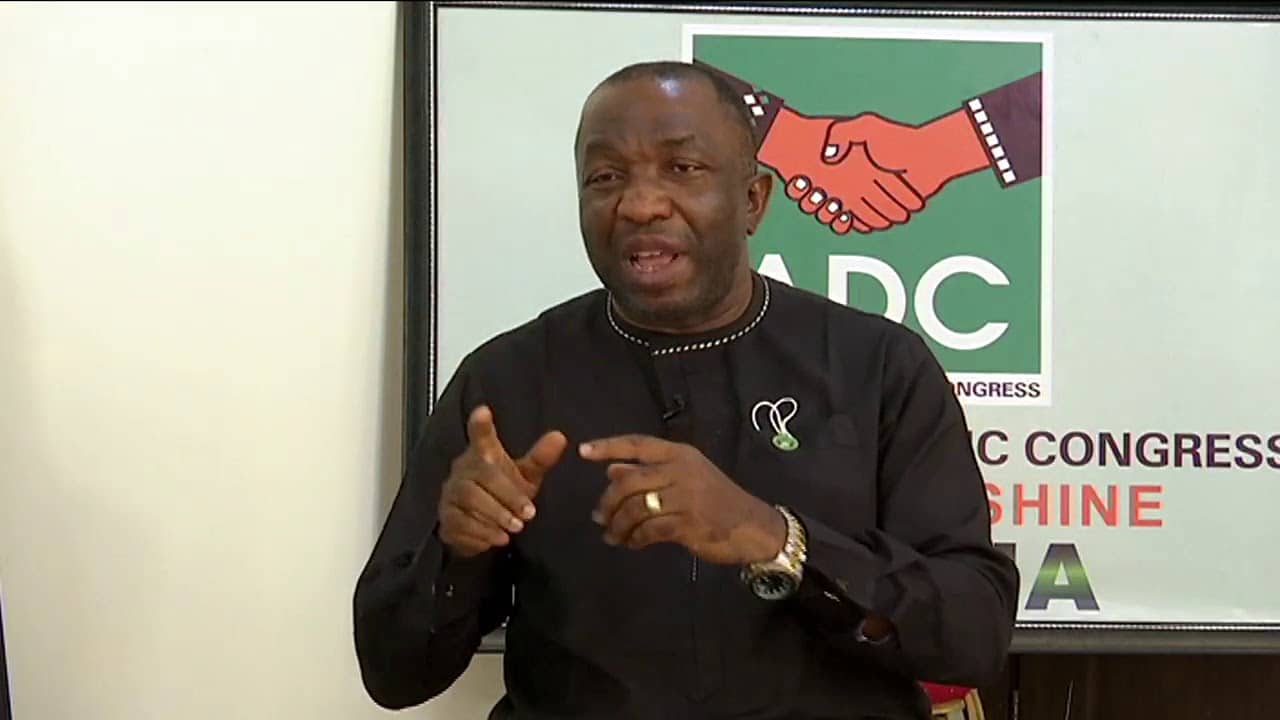
The founder and pioneer National Chairman of the African Democratic Congress (ADC), Ralph Nwosu, has said the party has not yet reached a final decision on zoning its presidential ticket ahead of the 2027 general elections.....KINDLY READ THE FULL STORY HERE▶
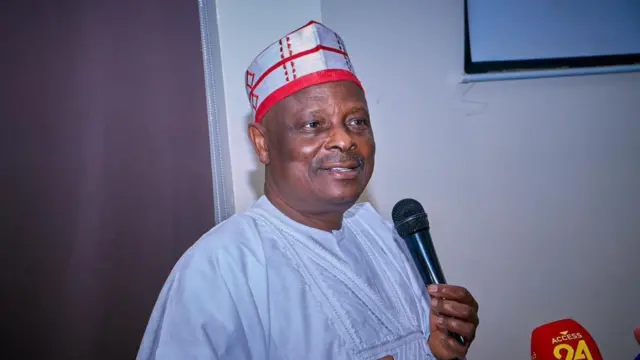
Former presidential candidate of the New Nigeria Peoples Party (NNPP), Rabiu Kwankwaso, has called on Nigerians both within the country and in the diaspora to actively participate in the 2027 general elections.....KINDLY READ THE FULL STORY HERE▶
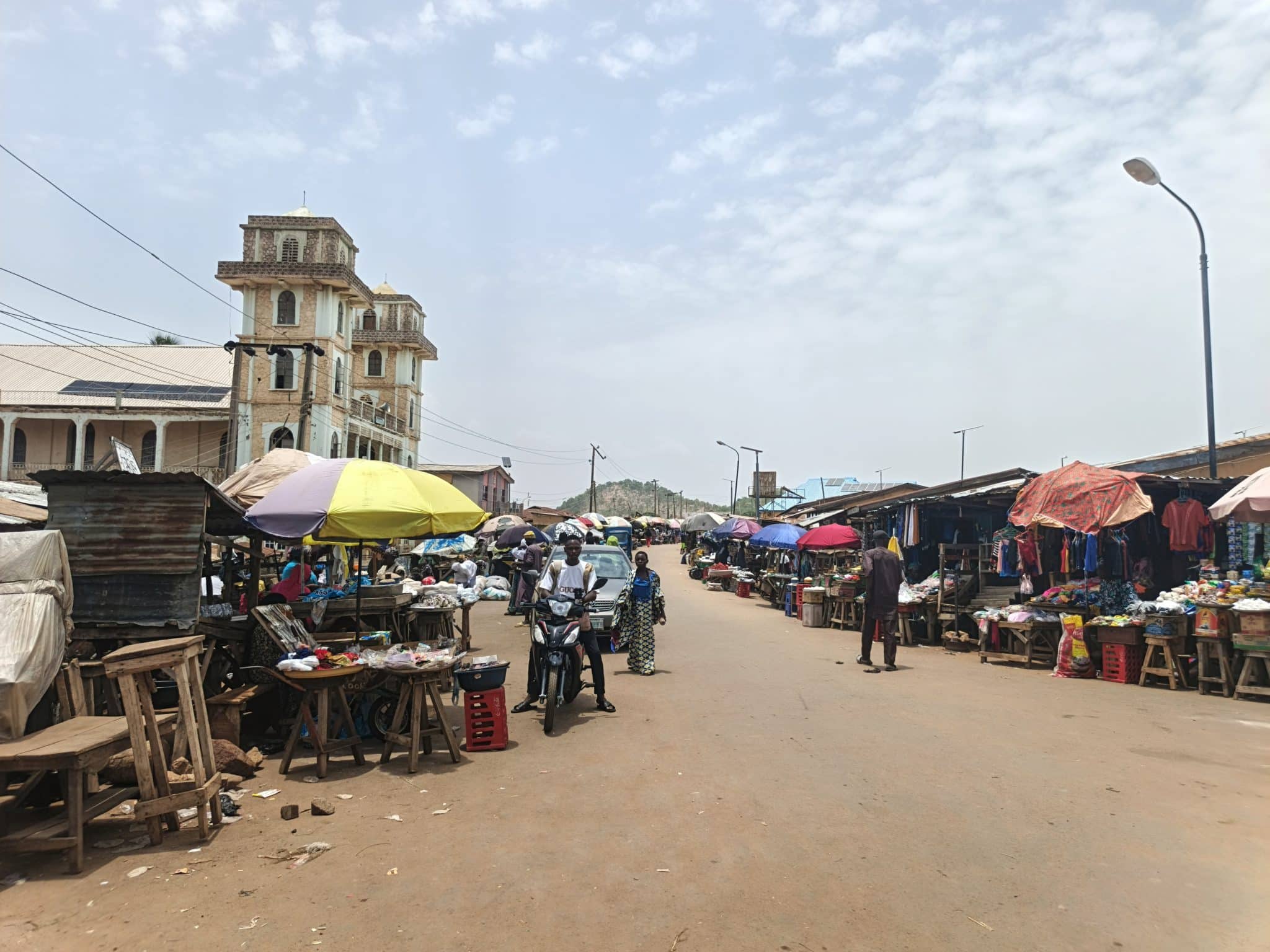
The ancient town of Kishi in Irepo Local Government Area of Oyo State came alive on Monday as indigenes and visitors gathered to celebrate the centuries-old Adasobo Festival, a cultural event deeply tied to the identity and heritage of the people.....KINDLY READ THE FULL STORY HERE▶
-

 latest8 months ago
“Social Media Erupts As Jim Iyke Declares Rita Dominic Nollywood’s Most Beautiful”
-
 latest2 years ago
Edo Political Showdown: Oshiomhole Appears At Presidential Villa As Tinubu Hands APC Gubernatorial Flag To Okpebholo (Photos & Video)
-
 entertainment2 years ago
Love Knows No Age American Woman Defends Marriage To Young Nigerian Man “I’m Not 70”
-
 latest2 years ago
Olumide Akpata Strikes Again: Drops Killer Track, Sends Edo State Into Frenzy!(Video)
-
 Politics2 years ago
Nigerians React As Pastor Adeboye Foresees Passing Away On A Sunday After Enjoying A Satisfying Meal Of Pounded Yam
-
 latest2 years ago
FG Identifies 31 States At Risk Of Heavy Flooding In 2024: See Full List
-
 latest2 years ago
5 NYSC Corpers Perish In Fatal Road Accident Returning From Camp
-
 Politics2 years ago
BREAKING: Inspector-General Of Police Summons Top Police Commanders For Crucial-Security Challenges