
Latest News
Broke and Borrowing: Nigeria’s Economy Teeters as Debt Soars, Revenue Tanks

LAGOS – Mounting debt and continuous revenue gaps are placing Nigeria’s public finances under intense pressure, reigniting debates over the country’s economic management and long-term fiscal sustainability.....KINDLY READ THE FULL STORY HERE▶
Recent data from the Debt Management Office (DMO) revealed that Nigeria’s total public debt surged to ₦121.67 trillion as of March 2025—a staggering increase of over ₦24 trillion within just 15 months. This surge is attributed to a combination of new borrowing, interest accruals, and foreign exchange losses fueled by the depreciation of the naira, which now trades above ₦1,550 to the dollar.
The weakening currency has significantly inflated the cost of servicing Nigeria’s external debt, which has surpassed $42 billion. Notably, over 60 percent of the total debt stock is domestic. Dr. Ayo Teriba, CEO of Economic Associates, warned: “The troubling issue is that a huge portion of our revenue is being used to pay interest. When debt servicing eats up over 90 percent of your income, you’re not borrowing to develop—you’re borrowing to survive.”
Despite relatively favourable global oil prices, government revenue remains well below expectations. In the first quarter of 2025, the Federal Government’s retained revenue was reported to be 24 percent below budget, with both oil and non-oil revenue sources underperforming.
Several factors have been blamed for the persistent revenue gap, including oil theft, pipeline sabotage, sluggish tax reform implementation, and widespread leakages in critical sectors. The Nigerian National Petroleum Company Limited (NNPCL), traditionally a major revenue contributor, has yet to make any significant remittances to the Federation Account this year.
“We consistently fall short of revenue targets because deep-rooted structural issues haven’t been addressed,” said Muda Yusuf, CEO of the Centre for the Promotion of Private Enterprise. “What we need is urgent reform and tougher enforcement.”
Debt Service Costs Near Breaking Point
The International Monetary Fund (IMF) has repeatedly flagged Nigeria’s debt service-to-revenue ratio as among the worst globally. In 2023, the figure stood at 92 percent—and could worsen if the current trajectory continues.
Experts warn that the implications are dire. With the government’s limited fiscal space, critical investments in infrastructure, education, and healthcare are being crowded out.
“Borrowing isn’t inherently bad,” said Dr. Oyebanji Oyelaran-Oyeyinka, Senior Adviser at the African Development Bank. “But it must be matched by stronger revenue growth and prudent expenditure. Right now, Nigeria has neither.”
Reform Agenda Underway—but Progress Is Slow
President Bola Tinubu’s administration has introduced a number of fiscal reform measures in response to mounting economic pressures. These include the controversial fuel subsidy removal in 2023, the liberalisation of the foreign exchange market, and the launch of a Medium-Term Revenue Strategy, which aims to raise the tax-to-GDP ratio to at least 18 percent by 2030.
The Federal Inland Revenue Service (FIRS) has begun digitising tax processes and expanding the tax net to better capture informal sector operators. Meanwhile, the government is also reviewing tax waivers and incentives to plug fiscal leakages.
“We’re laying the foundation for a more sustainable fiscal system,” said Taiwo Oyedele, Chairman of the Presidential Committee on Fiscal Policy and Tax Reforms. “The challenges are deep-rooted, but reforms are underway.”
Nonetheless, revenue collection remains weak while the cost of governance stays high—further undermining reform outcomes.
Investor Confidence Wavers
Investor sentiment has grown increasingly cautious. Bond yields on Nigerian government debt have surged in recent months, a reflection of both monetary tightening and rising fiscal risks.
In its most recent report, Fitch Ratings maintained Nigeria’s B-rating but warned of significant risks from elevated debt service costs and fragile revenue mobilisation. Portfolio investors, wary of naira volatility, are demanding higher returns to hold local assets.
Global financial institutions have urged the Federal Government to implement bolder measures to grow revenues and cut waste before seeking more external assistance.
States Also Buckle Under Pressure
Subnational governments are not exempt from the crisis. According to BudgIT, at least 17 Nigerian states spent more than half of their total revenue on debt servicing in 2024. Talks are ongoing between the Federal Government and the Central Bank of Nigeria (CBN) on ways to restructure some of these state-level debts.
However, some analysts warn that repeated bailouts without accountability could entrench fiscal recklessness.
“States must step up and take responsibility for their revenue generation,” said Dr. Zainab Usman, Director of the Africa Programme at the Carnegie Endowment for International Peace. “Overdependence on federal allocations is unsustainable.”
Hard Choices Lie Ahead
Looking forward, experts believe Nigeria faces a difficult balancing act between funding urgent development needs and managing its fragile debt profile. Some have called for an independent audit of public debt to assess the productivity of past borrowings. Others propose leveraging dormant public assets through public-private partnerships and concessions to boost non-debt revenue.
“The path to fiscal recovery starts with restoring confidence,” said Teriba. “That will require strict discipline, better transparency, and a visible improvement in public service delivery.”
For the average Nigerian, however, the impact of the crisis is deeply felt. Rising living costs, declining service delivery, and lingering unemployment all reflect a system under severe financial strain.

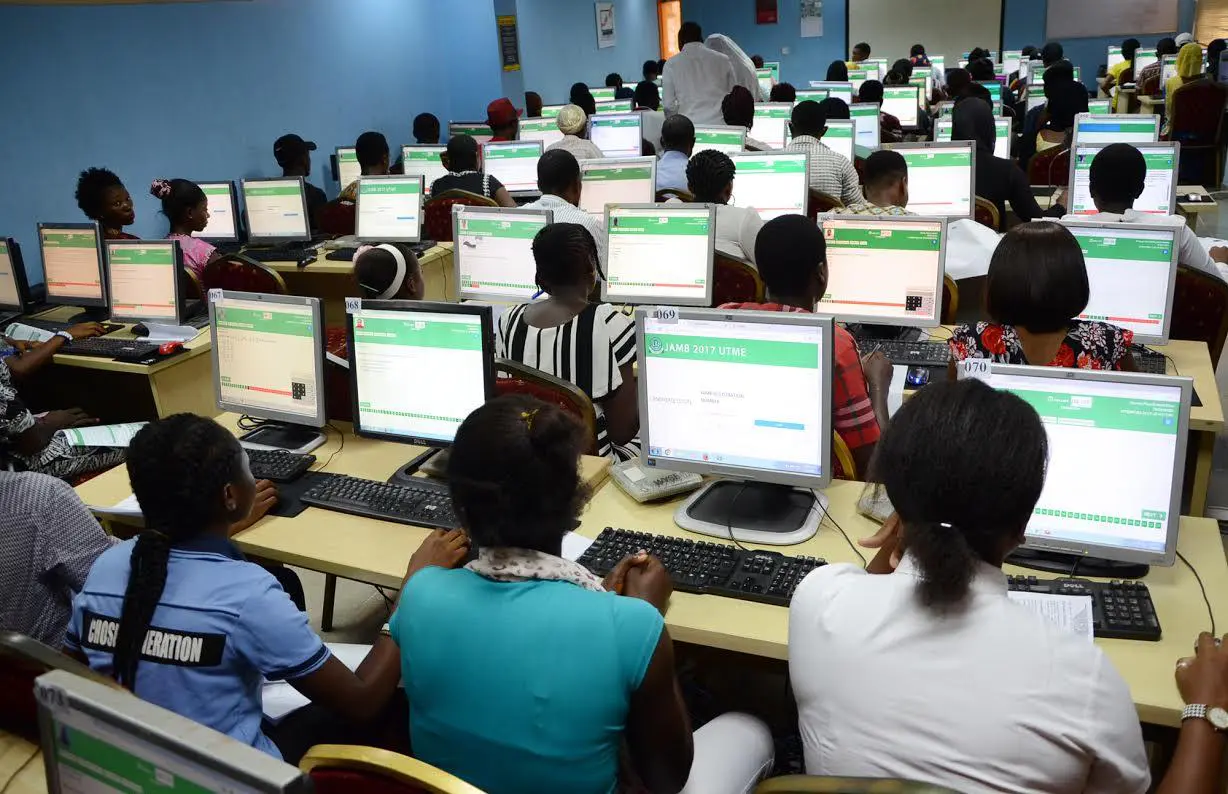
The 2026 Unified Tertiary Matriculation Examination (UTME) began nationwide on Thursday, with over 2.2 million candidates expected to participate across accredited centres.....KINDLY READ THE FULL STORY HERE▶
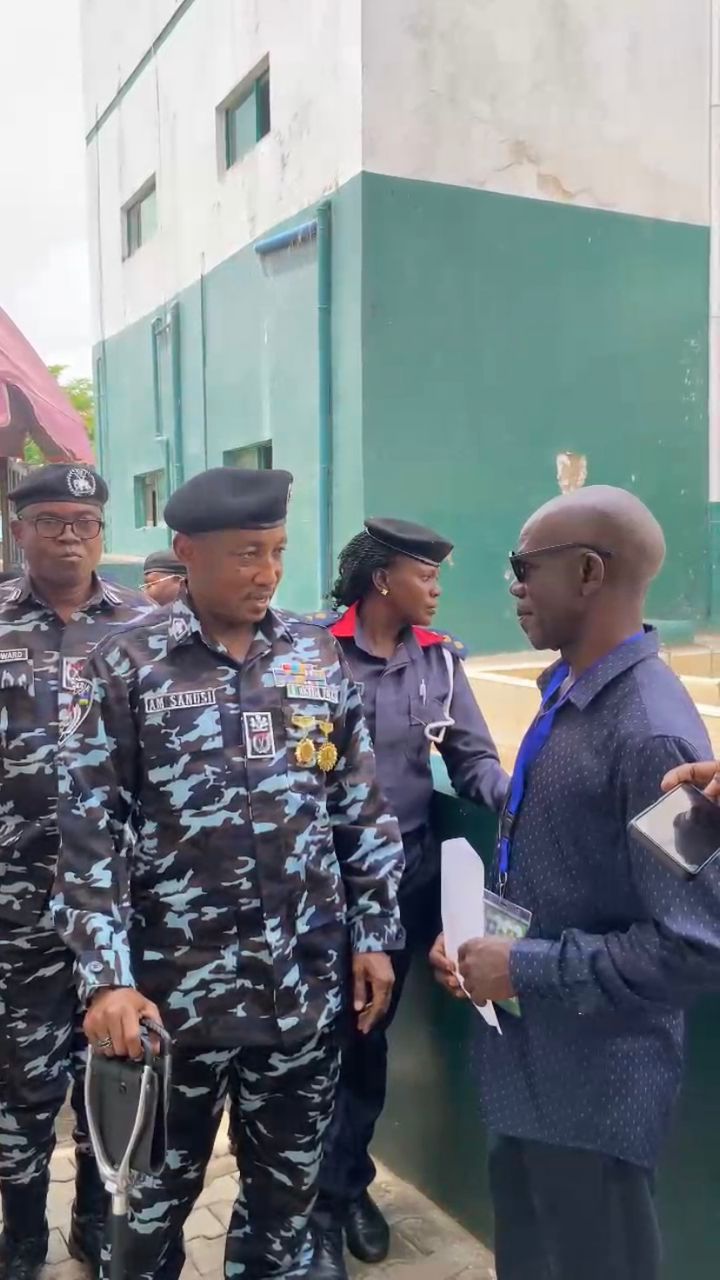
The Commissioner of Police for the Federal Capital Territory (FCT), CP Ahmed Muhammed Sanusi, on Thursday inspected security deployments at Joint Admissions and Matriculation Board (JAMB) Computer-Based Test (CBT) centres across Abuja.....KINDLY READ THE FULL STORY HERE▶
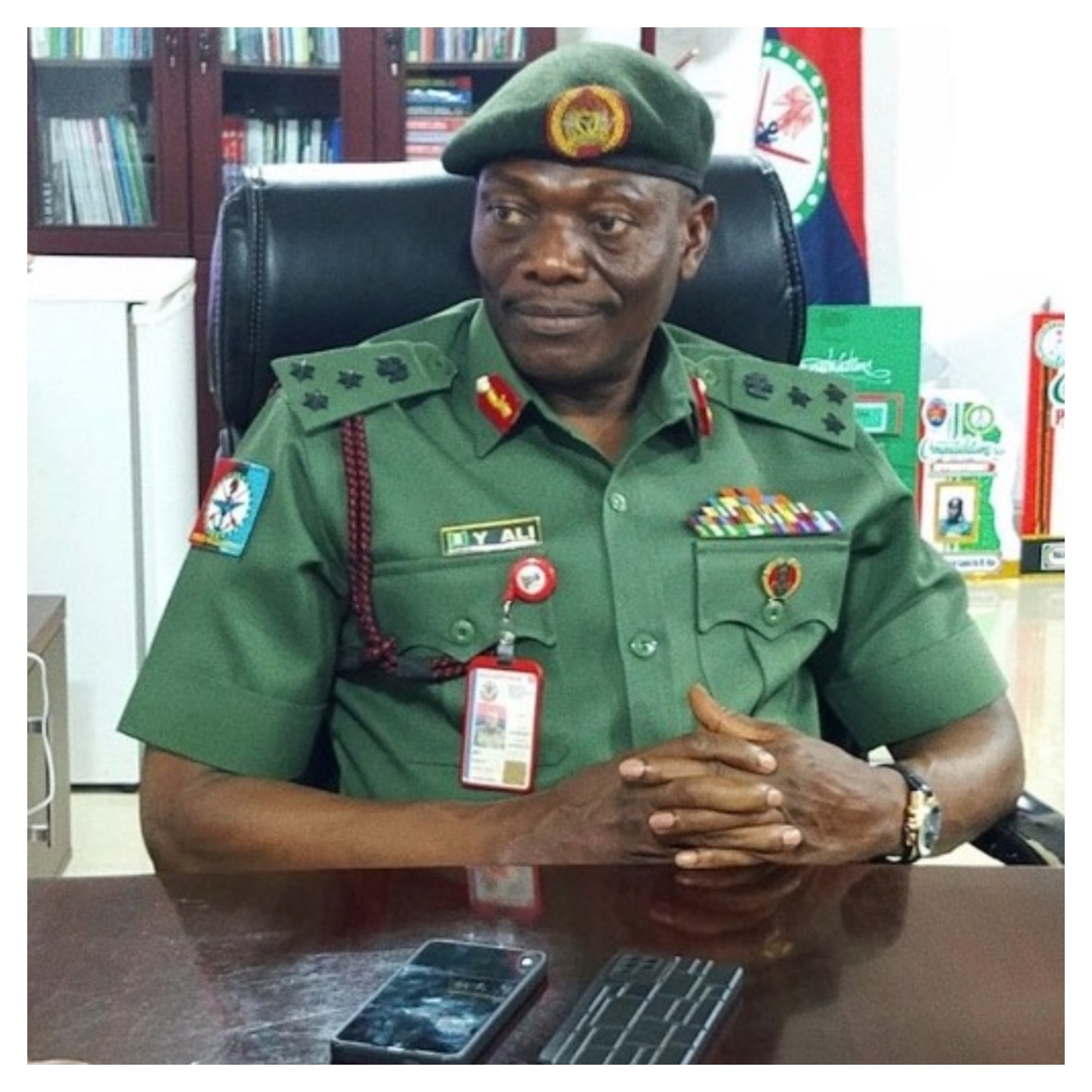
Over 700 former terrorists who have undergone deradicalisation and rehabilitation are set to be reintegrated into their communities.....KINDLY READ THE FULL STORY HERE▶
-

 latest8 months ago
“Social Media Erupts As Jim Iyke Declares Rita Dominic Nollywood’s Most Beautiful”
-
 latest2 years ago
Edo Political Showdown: Oshiomhole Appears At Presidential Villa As Tinubu Hands APC Gubernatorial Flag To Okpebholo (Photos & Video)
-
 entertainment2 years ago
Love Knows No Age American Woman Defends Marriage To Young Nigerian Man “I’m Not 70”
-
 latest2 years ago
Olumide Akpata Strikes Again: Drops Killer Track, Sends Edo State Into Frenzy!(Video)
-
 Politics2 years ago
Nigerians React As Pastor Adeboye Foresees Passing Away On A Sunday After Enjoying A Satisfying Meal Of Pounded Yam
-
 latest2 years ago
FG Identifies 31 States At Risk Of Heavy Flooding In 2024: See Full List
-
 Politics2 years ago
BREAKING: Inspector-General Of Police Summons Top Police Commanders For Crucial-Security Challenges
-
 latest2 years ago
5 NYSC Corpers Perish In Fatal Road Accident Returning From Camp