An examination of official budget records shows that the expenditure, spread across a 22-year period, translates to about $144.72 million at current exchange rates.
Spending on entitlements for former presidents, heads of state, vice presidents and chiefs of general staff has risen significantly over the years. From an allocation of ₦140 million in 2005, the figure climbed steadily, reaching a flat annual provision of ₦2.3 billion from 2013 onward.
The highest allocation was recorded in 2012, when the administration of former President Goodluck Jonathan budgeted ₦3.185 billion for the welfare of past leaders. The lowest allocation came in 2008, when only ₦24 million was provided. Although figures for 2007 were not officially published, estimates from the Office of the Secretary to the Government of the Federation (OSGF) placed spending at about ₦102 million.
Between 2013 and 2025, the annual allocation remained unchanged at ₦2.3 billion. For 2026, the Federal Government has again proposed ₦2.3 billion for the payment of benefits and entitlements to former presidents, heads of state and their deputies.
The provision is contained in the ₦58.47 trillion 2026 Appropriation Bill under the budget line titled “Entitlements of former Presidents/Heads of State and Vice Presidents/Chief of General Staff.” Budget documents indicate that the funds cover pensions, allowances and other statutory benefits for both civilian and military former leaders.
List Of Beneficiaries
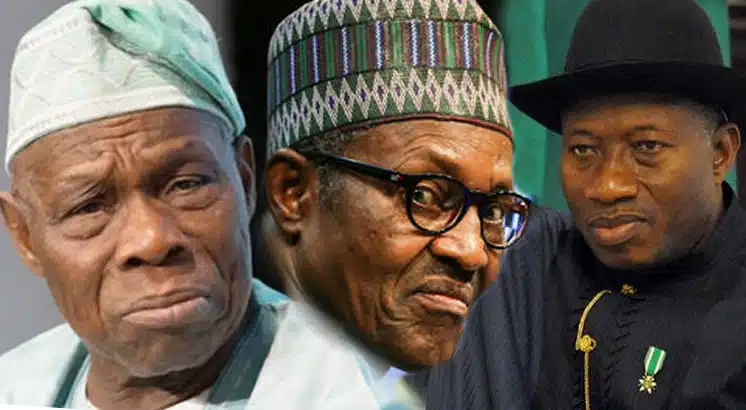
Those entitled to the benefits include former civilian presidents Olusegun Obasanjo, Muhammadu Buhari and Goodluck Jonathan, as well as former military heads of state Ibrahim Babangida, Yakubu Gowon and Abdulsalami Abubakar.
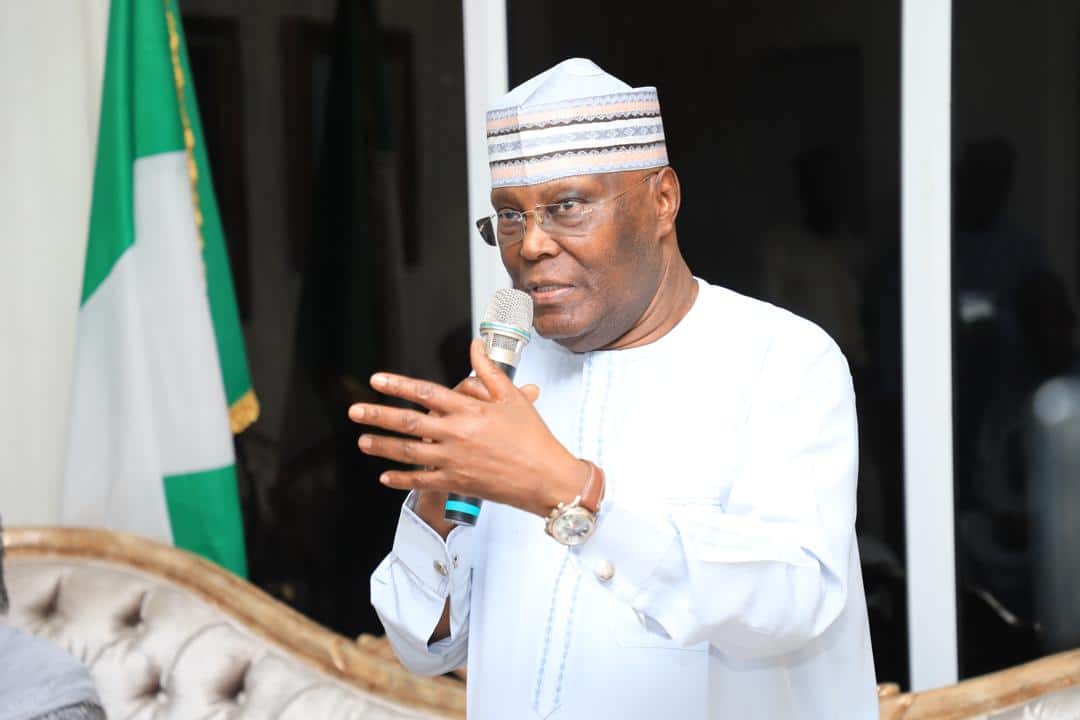
Former vice presidents listed are Atiku Abubakar (1999–2007), Namadi Sambo (2010–2015) and Yemi Osinbajo (2015–2023). Also included is retired Commodore Ebitu Ukiwe, who served as de facto Vice President between 1985 and 1986 during the Babangida administration.
Families of deceased former leaders—among them Abubakar Tafawa Balewa, Nnamdi Azikiwe, Aguiyi-Ironsi, Murtala Muhammed, Sani Abacha and Ernest Shonekan—are also constitutionally entitled to benefit from the scheme.
Beyond annual welfare payments, the OSGF spent ₦432.193 million in 2017 and a further ₦986.19 million between 2016 and 2018 on the purchase of vehicles for seven former presidents or heads of state and four former vice presidents.
In addition, each former leader, as an automatic member of the Council of State, reportedly receives ₦500,000 per meeting, with the council sitting at least twice a year.
Legal Basis For The Entitlements
Nigeria’s framework for compensating former leaders was introduced under Decree 32 of 1999 and later enacted as the Remuneration of Former Presidents, Heads of Federal Legislative Houses and Chief Justices of the Federation Act in 2001. The law was subsequently amended in 2008 and 2010, granting the Revenue Mobilisation, Allocation and Fiscal Commission (RMAFC) the authority to periodically review the benefits in line with economic conditions.
The entitlement regime is backed by Sections 70 and 84(4) of the 1999 Constitution, as well as the Certain Political, Public and Judicial Office Holders (Salaries and Allowances) Act.
At inception, the law stipulated a monthly upkeep allowance of ₦350,000 for each former president or head of state, while former vice presidents and former chiefs of general staff were entitled to ₦250,000 monthly, alongside other perquisites outlined in the Act.
For Former Presidents
Each former president is entitled to a chief administrative officer, a personal secretary not below Grade Level 12, three to four armed policemen, and a DSS aide-de-camp for life. They are also provided with three government-funded vehicles to be replaced every four years, as well as drivers paid by the Federal Government.
Additional benefits include free medical care for themselves and their immediate families within Nigeria, overseas medical treatment when necessary at government expense, a fully furnished office and a five-bedroom house in any location of their choice in Nigeria, as well as a 30-day annual vacation at home or abroad.
For Former Vice Presidents
Former vice presidents are entitled to a chief administrative officer, a personal secretary not below Grade Level 10, two to three armed policemen, and a DSS aide-de-camp for life. They are provided with two vehicles to be replaced every four years, with drivers paid by the Federal Government.
They and their immediate families are also entitled to free medical treatment within Nigeria and abroad when required, a 30-day annual vacation at government expense, a furnished office and a three-bedroom house in any location of their choice in Nigeria.
Under the amended law, the remuneration of former leaders is subject to review whenever there is an increase in the salaries of serving presidents and vice presidents, with annual budgetary provisions mandated for these payments.
In the event of death, the family of a former president was initially entitled to ₦1 million annually, paid quarterly, while the family of a deceased former vice president received ₦750,000 annually. These allowances were meant to cover the upkeep of spouses and the education of children up to university level, with the benefit ceasing if a spouse remarries.
Breakdown Of Spending Over 22 Years
Between 2005 and 2026, annual allocations ranged from as low as ₦24 million in 2008 to a peak of ₦3.185 billion in 2012, before stabilising at ₦2.3 billion yearly from 2013. In total, welfare payments and related expenses, including vehicle purchases amounting to about ₦1.418 billion, bring cumulative spending to ₦38.188 billion over the 22-year period.






 latest8 months ago


