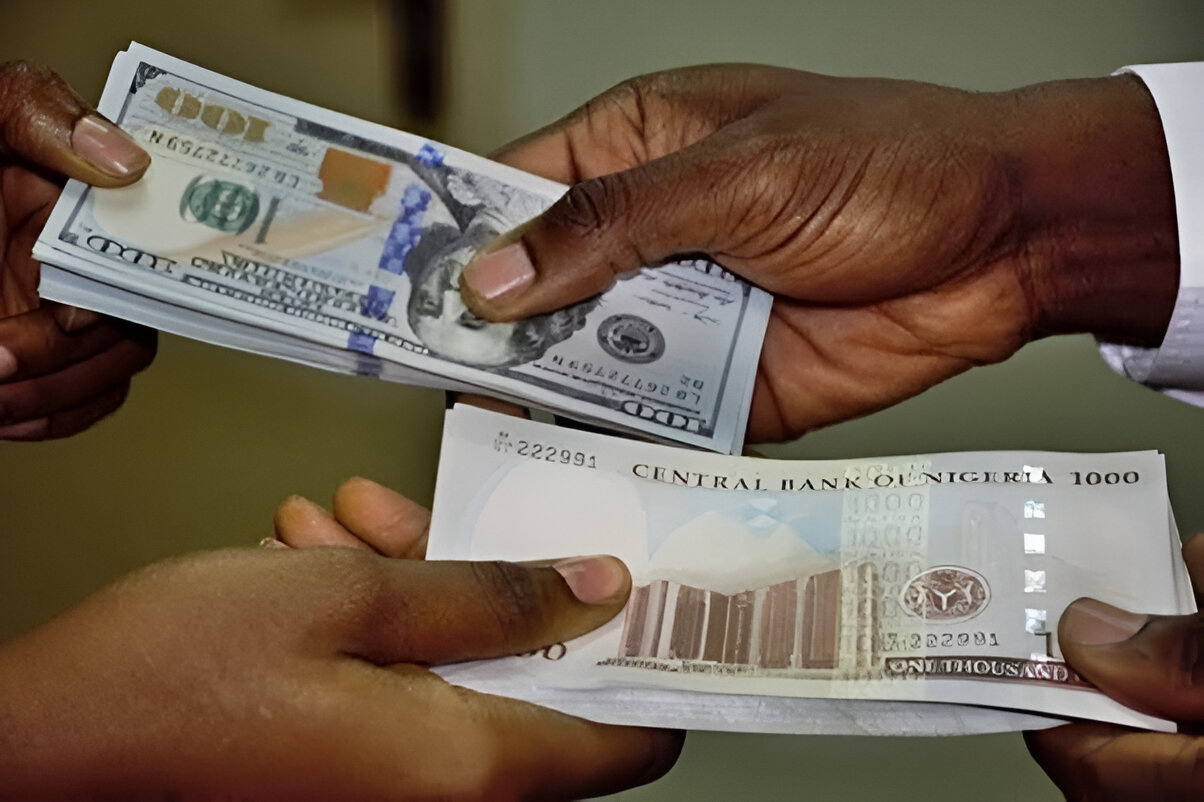
Nigerian naira weakened further against the U.S. dollar on Wednesday, trading near ₦1,475 on the official market and about ₦1,495 on the parallel market, according to traders and currency data.....KINDLY READ THE FULL STORY HERE▶
The latest slide continues a week-long downward trend as foreign exchange shortages persist and investor confidence remains weak. Traders said dollar demand from importers and businesses is rising while supply stays limited, putting pressure on the local currency.
At the official Nigerian Autonomous Foreign Exchange Market (NAFEM), the naira opened around ₦1,465 to the dollar and later slipped to ₦1,475 by the close of trading. On the street market, where most small businesses and travelers buy foreign currency, the dollar sold for between ₦1,490 and ₦1,495.
“The market is tight. There are few dollar inflows, and demand keeps increasing,” one Lagos currency trader said. “Importers are struggling to get funds, and that pushes the rate higher.”
Central Bank Faces Mounting Pressure
The Central Bank of Nigeria (CBN) has faced growing challenges in defending the naira despite reforms introduced earlier this year to unify exchange rates and attract more dollar inflows. The bank has occasionally intervened to stabilize the market, but analysts say such moves have been limited.
Economists believe weak foreign investment, lower oil revenue, and rising import costs are adding pressure. Oil exports — Nigeria’s main source of foreign currency — have fallen in recent months due to production shortfalls and declining global prices.
“The central bank is operating in a difficult environment,” said financial analyst Tunde Adesina. “Without higher dollar supply from exports or investors, the naira will remain under stress.”
Dollar Scarcity and Inflation Risks
Nigeria’s economy continues to struggle with inflation, which reached over 30 percent in September, driven largely by the high cost of imports and a weaker currency. The falling naira has pushed up prices of fuel, food, and consumer goods.
Businesses say they are finding it difficult to plan amid the volatility. Some importers have reportedly reduced their orders, while manufacturers are passing higher costs to consumers.
“The exchange rate affects everything — from transportation to food,” said Grace Okonkwo, a shop owner in Abuja. “Every week prices go up because the dollar keeps rising.”
Wider Economic Impact
The widening gap between the official and street exchange rates also signals a lack of confidence in the formal market. Many traders prefer to buy and sell in the parallel market, where they can access dollars more easily, even at higher rates.
Currency experts warn that if the spread continues to widen, it could discourage foreign investment and further delay the government’s economic recovery plans.
“The key to stabilizing the naira is restoring confidence,” said economist Dr. Kola Eke. “The CBN must ensure transparency in the market and attract more inflows through remittances and exports.”
Market watchers expect continued volatility in the coming weeks as Nigeria works to balance its fiscal and monetary policies. The government has said it remains committed to exchange-rate reforms and attracting foreign capital.
The CBN is also expected to meet later this month to review interest rates and discuss additional measures to support the currency.
For now, traders say all eyes remain on the central bank and the flow of dollars into the system. Without a significant increase in supply, the naira’s slide toward ₦1,500 per dollar may continue.