
latest
From The Ghetto To Stardom: Reflecting On The Cultural Impact Of A Tragic Loss, We Are All MohBad


From The Ghetto To Stardom: Reflecting On The Cultural Impact Of A Tragic Loss, We Are All MohBad....KINDLY READ THE FULL STORY HERE▶

Beyond the realm of politics – Tinubu’s inaugural voyage to the United Nations General Assembly (UNGA), Atiku Abubakar’s quest to unearth Tinubu’s educational records in the United States, revelations exposing falsehoods regarding the President’s stopover following the G20 Summit on his return from the United Arab Emirates, the relentless decline of the Naira, the impending organized Labor strike, and other pressing political matters in the public sphere – there exists no other issue of greater and more compelling attention and significance than the abrupt and astonishing passing of a 27-year-old artist, musician, songwriter, and rapper, Ilerioluwa Oladimeji Aloba, affectionately known as MohBad or Imole. In recent times, no other artist’s demise has captured the collective imagination of Nigeria to the extent his has. His departure has resembled a volcanic eruption, with its emotional impact spreading far and wide. As the poet once said, “When beggars die, there are no comets seen, but when Princes die, even the Heavens themselves blaze forth the glory.” This has indeed been the case with MohBad, a life cut short yet more influential in death than in life. He was a prince of his art. What lessons can we glean from this unforeseen and exceptional phenomenon that fate and circumstances have thrust upon us?
Read Also APC Denies Fuel Subsidy Reintroduction, Rebuking Atiku’s Media Aide
Many years ago, precisely in 2007, I penned an article in The Guardian newspaper titled “A Nation’s Identity Crisis.” In it, I highlighted my qualifications as an expert in dramaturgy, ethnomusicology, and the entire spectrum of theater arts theory and criticism, emphasizing my background in teaching these subjects. The article delved into contemporary Nigerian music at the time, asserting that a new generation, often referred to as “Naija, Nija, or 9ja,” had lost touch with their cultural roots. I raised concerns about the emergence of an era marked by the “age of abbreviations,” characterized by impatience and a “Grunge” mentality that favored superficiality and alienation. I lauded the musicians of earlier generations (from the 60s to the 80s) whose music was rich in complexity, substance, skill, and authenticity. Conversely, I found contemporary music lacking in these qualities, burdened by populism, commercialism, imitation, and a dearth of depth. I boldly predicted that many of the emerging superstars of the time would fade away because their talent was not genuinely original; it was merely inflated by hype and artificial elements. In those days, inflated egos led some artists to naively believe they had already achieved greatness. One artist, Rooftop MC, famously declared, “Ori mi wu o, e lagi mo.” I concluded that most of the music being produced at the time would not withstand the test of time, attributing this to commercial art’s reliance on branding, showmanship, and financial gain.
My intervention stirred controversy, and for over two months, superstar artists whose egos were bruised responded with criticism in The Guardian and other platforms. My colleague, Jahman Anikulapo, Arts Editor of The Guardian at the time, allowed diverse opinions to flourish in the debate. Looking back, I believe my predictions may have been proven accurate. Many of the musicians I foresaw as short-lived have indeed faded away. Only those with true talent can sustain a long and prosperous career. In the 18th century, in Venice, Italy, and Austria, Antonio Salieri was more popular than Wolfgang Amadeus Mozart in Europe and received greater support from the courts. However, history has validated Mozart as the true genius, chosen by God, a legendary figure forever remembered for his talent, not just transient popularity. Salieri remains relatively obscure.
I provide this background to underscore that uninformed individuals who engage with cultural developments without education, relying on emotions rather than reasoned reflection, may ultimately realize that their actions were driven more by sentiment than truth or intelligent consideration. Our starting point is the recent passing of 27-year-old Ilerioluwa Oladimeji Aloba, a tragedy that has now become a topic of widespread discussion. People from all corners of the world have expressed immense grief. Processions and tributes have been organized in various cities, both in Nigeria and abroad. In New York, MohBad’s image even appeared on the Times Square screen. In Ghana, elderly women took to the streets to mourn, demanding #JusticeforMohbad, demonstrating the universal and unifying power of music as a semiotic reference and language. MohBad’s songs, such as “Feel Good,” “Ponmo,” and “KoPorKe,” topped charts in the UK and beyond. In death, he became an even greater star. Many who are now calling for justice may never have listened to his songs, yet his spirit has proven stronger in death than in life. In metaphysical beliefs, certain spirits are deemed indestructible, akin to Fela, Ayinla Omowura, Victor Olaiya, Fatai Rolling Dollars, Michael Jackson, and Bob Marley. In other words, the transcendental nature of the human spirit persists. Horace’s quote, “Art is long, life is short,” is further affirmed by the enduring impact of MohBad’s music.
It is essential for us to reflect on the lessons offered by his life and passing instead of hastily drawing conclusions about the circumstances of his death. The Lagos State authorities have exhumed his body for an autopsy, and conspiracy theories abound, such as the discovery of blood in his grave (which some argue is not uncommon) and questions about the haste and location of his burial. Some even suggest foul play and claim to know the identity of the perpetrators and their accomplices. At this moment, all parties should exercise patience and allow the pathologists to do their work and the security agencies to conclude their investigations. The response of state agencies so far, especially the empathy demonstrated by the Lagos State Government and the Nigeria Police, is commendable. The creative community has also displayed impressive solidarity. MohBad is no longer with us, and those using his death as an opportunity for personal gain, attention-seeking, or gamesmanship should pause and consider the broader picture.
Read Also A Shift In Perspective: Home Is Becoming Less Appealing In Nigeria
There is a MohBad in each of us, a part of him that resonates with our desires, realities, and fears. Regardless of age or gender, we all wake up each morning hoping for divine favor. MohBad experienced heavenly grace, albeit briefly, in life and death. In his death, he became a catalyst for the expression of youth discontent and despair in Nigeria and beyond. Yet he grew up in challenging circumstances. Perhaps heroes do not always wear capes; they may emerge from the most humble backgrounds. MohBad’s mother left his father, and he was raised by a stepmother whose silence has been conspicuous. MohBad managed to complete secondary school and gain admission to a polytechnic but dropped out to pursue his passion: music. He rose to prominence under Naira Marley Records but faced difficulties upon establishing his own label, Imole Nation. He was pursued relentlessly by his former managers, and he even reported his ordeals to the police and expressed them in his music. Many who are now mourning his death and seeking justice heard his pleas for help, even in his songs, yet did not extend a helping hand. In the same space, countless individuals faced similar home and work challenges, lived in fear and anxiety, succumbed to depression, and made one wrong choice that
ended their lives prematurely. MohBad, despite his youth, left an indelible mark, but many in his shoes pass away unnoticed. If only he had received the support he needed to bear the burdens of his young age… Let us contemplate these realities.
Many broken children like MohBad, products of broken homes, find their way in life despite their challenging backgrounds. The successful artist who created exceptional music and a marketable brand has become another victim of family circumstances. His father has shamelessly sought the limelight, proclaiming himself the father of a deceased son. Could he have taken different actions to keep his son alive? MohBad’s mother, who had abandoned him for 15 years, suddenly assumed control of his home in Lekki after his death, attending to visitors while sidelining the young widow, Wunmi, who had a five-month-old son with MohBad. The way Wunmi was marginalized is glaring, as her sister had to speak out on social media. Reports suggest that MohBad’s mother lamented that her son had promised her a 5 million Naira gift before his death. What exactly is her priority: her son or the money? Concerned individuals, including Davido and others, have contributed funds for the upbringing of MohBad’s innocent son. However, there is no guarantee that Wunmi, the boy’s mother, will not be eventually cast aside and accused of causing MohBad’s death when the inevitable dispute over money and benefits arises. Obviously, MohBad was too young to have prepared a will. No one anticipates such a premature death. Countless families face similar circumstances: individuals who dedicate their lives to supporting their families, and when they pass away with young children, vultures within the family and among friends swoop in to claim whatever they can, including the surviving wife. Family members initiate conflicts by accusing the wife and her family of witchcraft. In MohBad’s case, some even demanded a DNA test for his son.
There are undoubtedly more lessons to be learned, especially by artists still within the creative sphere. A significant aspect of MohBad’s story revolves around his alleged maltreatment and dehumanization by his former manager, Naira Marley. This mistreatment included anger over his decision to leave the Marlians, death threats, physical assault, blackmail, and intimidation. MohBad’s decision to establish his own record label exacerbated his situation, as disc jockeys and radio stations were allegedly instructed not to play his music. On one occasion, he was physically assaulted but failed to identify his attackers when called upon by the police, presumably due to fear. Imole’s fans believe that his tribulations mirror their own experiences: the oppression and victimization of youth by influential figures in the public and private sectors. This is why they demand justice. Artists and their craft have a natural capacity to inspire passion, but we urge caution. Many individuals using MohBad’s death to garner attention, often cynically, should allow pathologists and the police to complete their investigations, allowing for a proper resolution.
I also find it puzzling that MohBad reportedly received treatment for an ear infection at home, administered by an auxiliary nurse from Perez Hospital. This nurse was subsequently arrested and revealed not to be affiliated with the named hospital. The hospital denied ever treating him, stating that he was brought in lifeless. This raises questions. Why would a rising star with enough resources to promise his mother a 5 million Naira gift, reside in Lekki, and afford a comfortable lifestyle, allow himself to be treated and injected by a random nurse at home? Why didn’t he seek medical attention at a proper hospital sooner? Older musicians I praised were more cautious. However, this new generation, despite their singing and dancing abilities, their reliance on technology, and increased globalization, faces unique challenges, including drug use and involvement in occult groups. It is troubling to see that many in this generation seem perpetually under the influence of substances. This is one of the most significant threats to talent and tradition in Nigeria today. Our artists seem to prioritize personal health less, opting instead for material possessions such as diamonds, luxury cars, and extravagant homes, often succumbing to addiction and occult influences. Who will save our artists?
MohBad’s death is a tragedy that calls for introspection and soul-searching. Is there a way to assist the multitude in the creative industry grappling with relationship issues, management contracts, the dark side of the industry, societal expectations, and the fleeting nature of fame and its associated pressures?

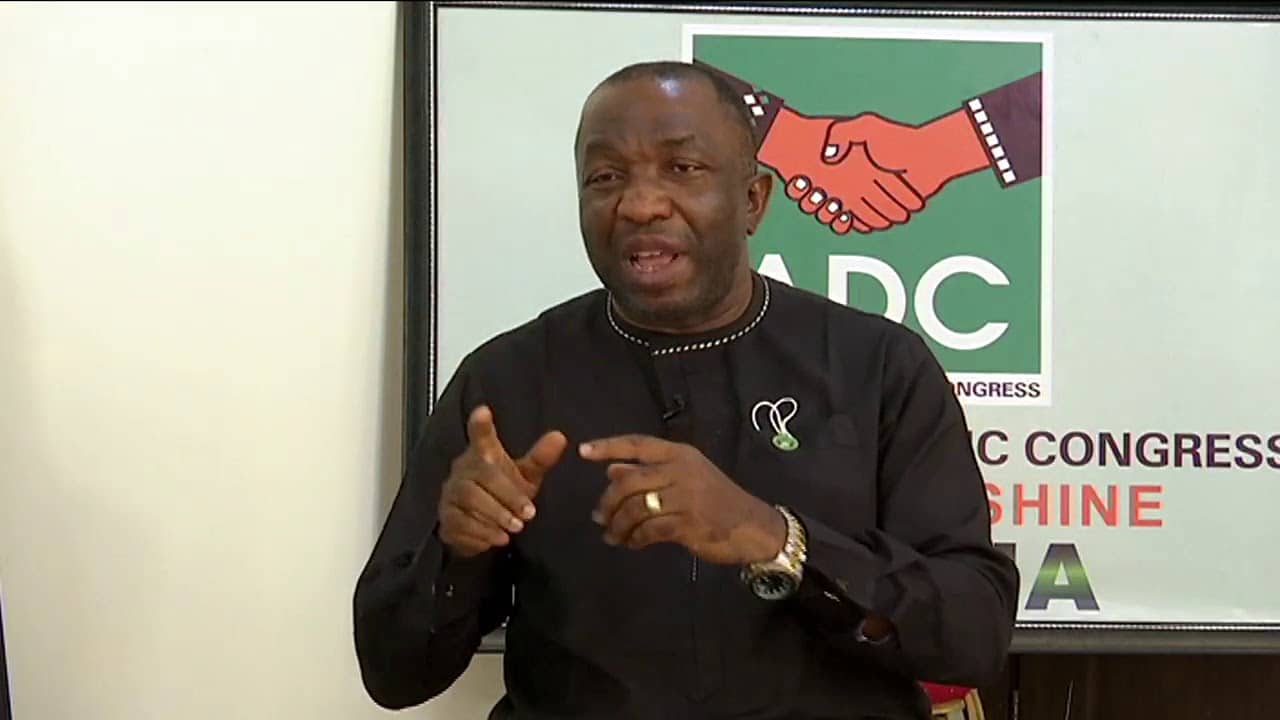
The founder and pioneer National Chairman of the African Democratic Congress (ADC), Ralph Nwosu, has said the party has not yet reached a final decision on zoning its presidential ticket ahead of the 2027 general elections.....KINDLY READ THE FULL STORY HERE▶
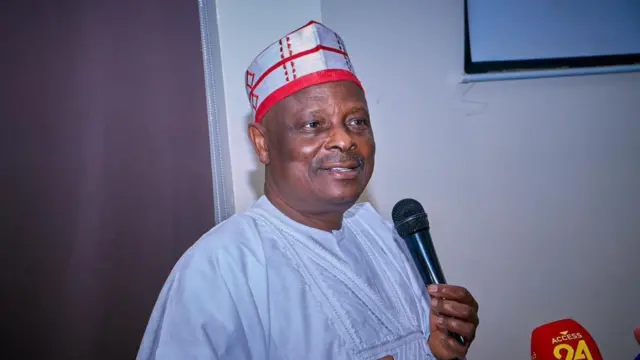
Former presidential candidate of the New Nigeria Peoples Party (NNPP), Rabiu Kwankwaso, has called on Nigerians both within the country and in the diaspora to actively participate in the 2027 general elections.....KINDLY READ THE FULL STORY HERE▶
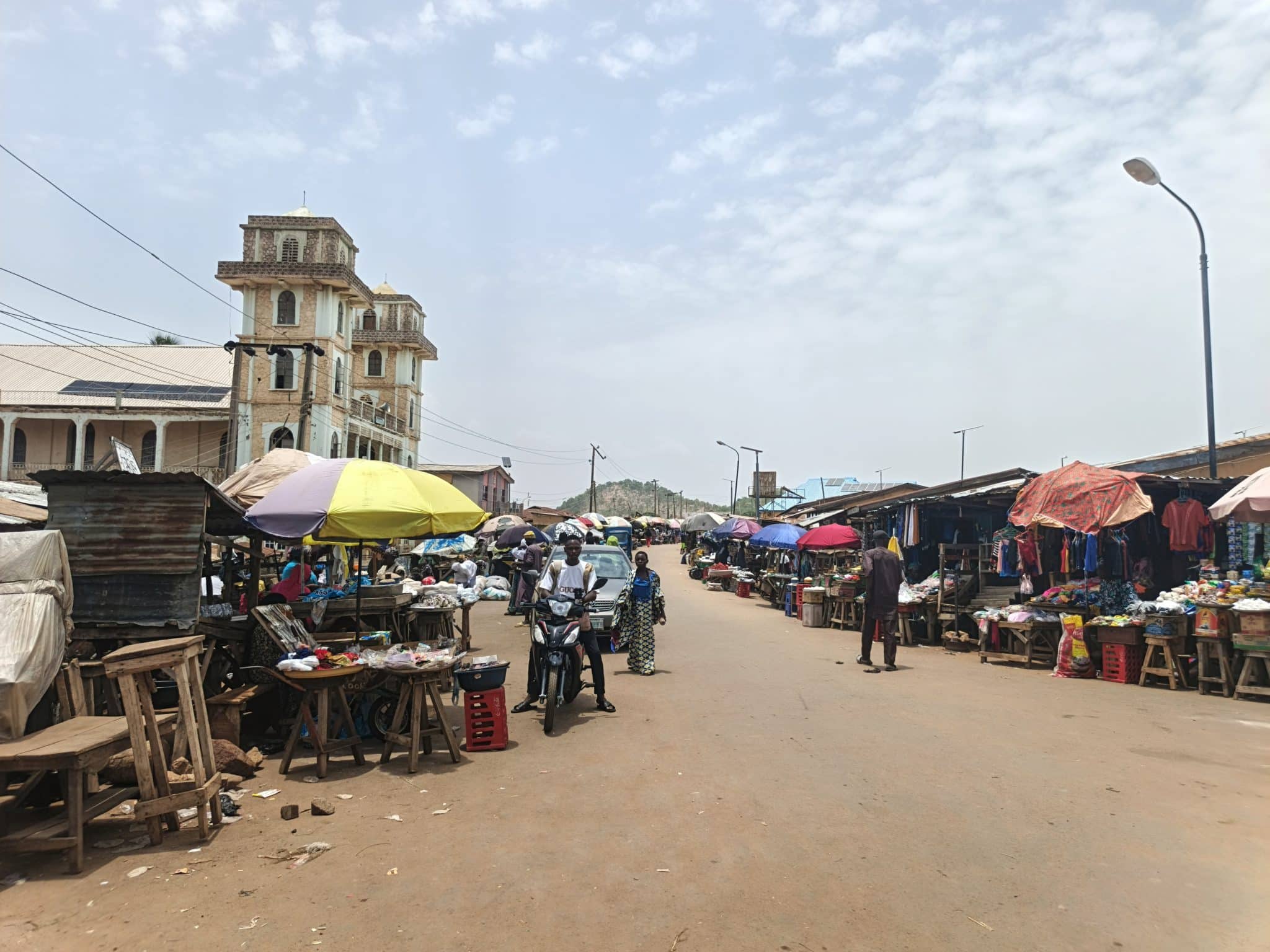
The ancient town of Kishi in Irepo Local Government Area of Oyo State came alive on Monday as indigenes and visitors gathered to celebrate the centuries-old Adasobo Festival, a cultural event deeply tied to the identity and heritage of the people.....KINDLY READ THE FULL STORY HERE▶
-

 latest8 months ago
“Social Media Erupts As Jim Iyke Declares Rita Dominic Nollywood’s Most Beautiful”
-
 latest2 years ago
Edo Political Showdown: Oshiomhole Appears At Presidential Villa As Tinubu Hands APC Gubernatorial Flag To Okpebholo (Photos & Video)
-
 entertainment2 years ago
Love Knows No Age American Woman Defends Marriage To Young Nigerian Man “I’m Not 70”
-
 latest2 years ago
Olumide Akpata Strikes Again: Drops Killer Track, Sends Edo State Into Frenzy!(Video)
-
 Politics2 years ago
Nigerians React As Pastor Adeboye Foresees Passing Away On A Sunday After Enjoying A Satisfying Meal Of Pounded Yam
-
 latest2 years ago
FG Identifies 31 States At Risk Of Heavy Flooding In 2024: See Full List
-
 latest2 years ago
5 NYSC Corpers Perish In Fatal Road Accident Returning From Camp
-
 Politics2 years ago
BREAKING: Inspector-General Of Police Summons Top Police Commanders For Crucial-Security Challenges