The dispute erupted following letters from the state government demanding that the university vacate the campus. The government claims the property was leased for 30 years and that the lease has expired, intending to repurpose it for pioneer medical students at the Ibrahim Badamasi Babangida University Teaching Hospital (IBBUTH).
Students and staff, however, rejected these claims, insisting that the Bosso Campus remains fully operational and essential for classrooms, laboratories, and hostels.
“We are writing continuous assessments now and preparing for exams. If we are asked to leave the campus suddenly, it will seriously affect our academic progress,” a student told DAILY POST, speaking anonymously.
Other students warned that forced relocation could disrupt access to academic resources and critical deadlines, as Bosso Campus serves as a hub for laboratory work, library access, and student accommodation.
On-Site Observations
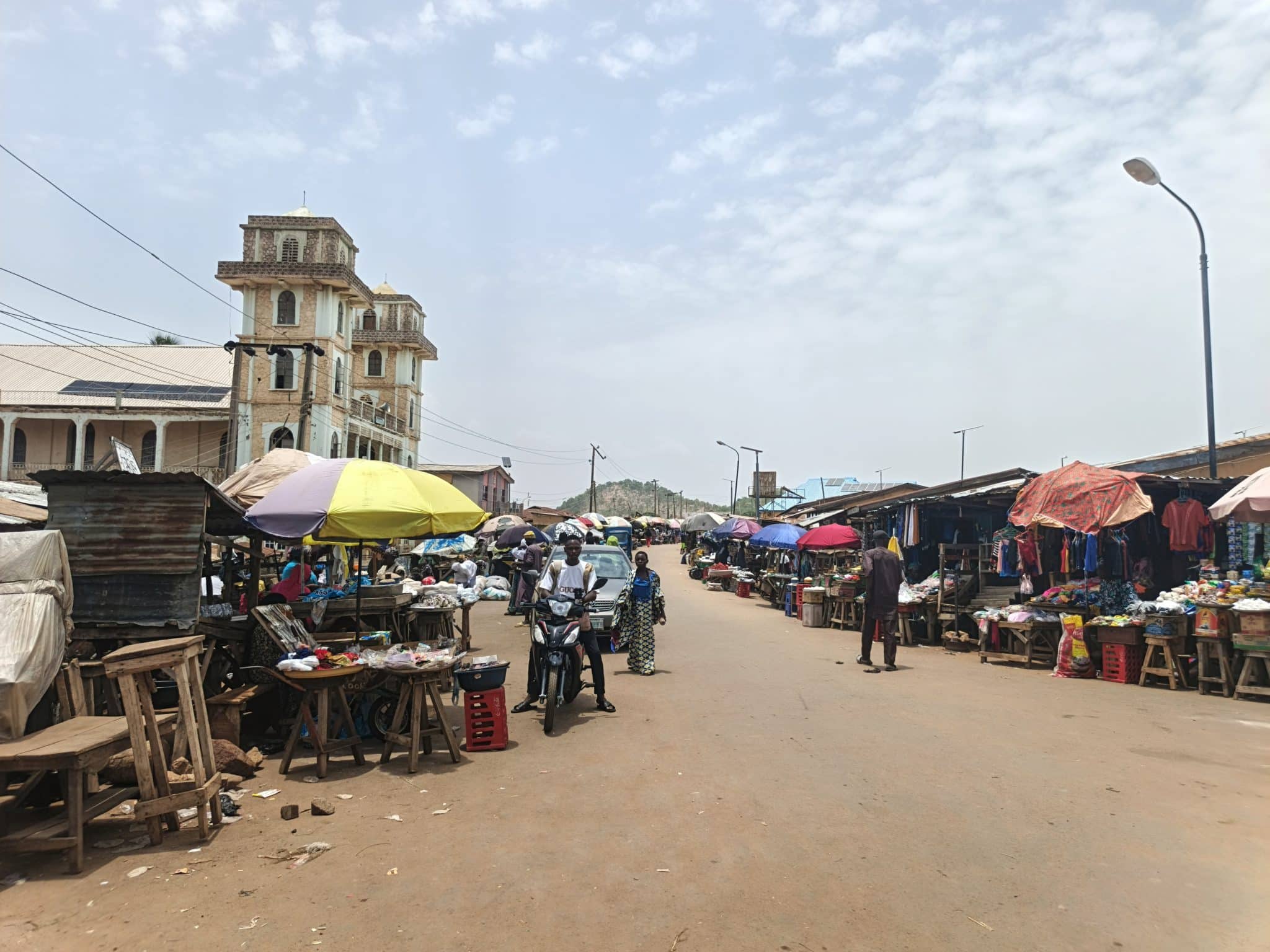
A visit by DAILY POST confirmed that lectures, laboratories, and administrative offices remain active, contradicting claims that the campus had been abandoned. Students emphasized the campus’s central role in both academic and social life.
Government Position
Governor Mohammed Umar Bago, in a television interview, defended the state’s move, calling the student protests “unfortunate.” He argued that the Bosso Campus belongs to Niger State and was temporarily ceded to FUTMINNA in 1985 for 30 years. He also claimed some laboratories were decaying and needed to be used by IBBUTH medical students.
“We said let our medical students use the laboratories, hostels and lecture theatres. They are not running any programme there. Some of the laboratories are decaying because termites are eating the furniture. Why are people being selfish?” the governor said.
Governor Bago stressed that the transition for the pioneer 300-level IBBUTH medical students would be gradual and cited recommendations from the Federal Minister of Education supporting a co-sharing arrangement.
Reactions from ASUU, NANS, and SUG
The Academic Staff Union of Universities (ASUU), FUTMINNA, led by Prof. Luqman Kunle Oyewobi, condemned the takeover as “desperate and illegal,” emphasizing that the Bosso Campus has been federal property since 1983. ASUU warned that any takeover would disrupt teaching, research, and student services.
The National Association of Nigerian Students (NANS), Zone C, led by Comrade Hussaini Jamilu Ebbo, initially issued a three-week ultimatum to the Niger State Government to suspend the takeover, warning of mass protests. During a later press conference, the ultimatum was suspended pending federal intervention, with students urged to pursue dialogue over confrontation.
The Students’ Union Government (SUG), under President Comrade Ezekiel Adaidu Machofo, confirmed that lectures and academic activities are ongoing, dismissing claims that the campus had been closed for three years. Machofo accused state officials of entering the female hostels on 26 February 2026, demanding students vacate, which heightened anxiety.
The SUG highlighted that Bosso Campus was permanently acquired by the Federal Government in 1983, citing payments of N2.8 million to the state and asserting full federal ownership.
FUTMINNA Management Reaffirms Federal Ownership
Documents reviewed by DAILY POST confirm federal payment records, while the state government has not produced any lease agreement. Under the Land Use Act of 1978, federal acquisition is permanent, supporting FUTMINNA’s claim.
The campus currently accommodates over 25,000 students, including those at the permanent Gidan-Kwano campus. The university management, through PR Officer Lydia Legbo, reaffirmed that the Bosso Campus was formally acquired in 1983, with additional land lawfully integrated into the campus. Official records, including University Council minutes and the Federal Government Visitation Panel report (1999–2003), confirm permanent federal ownership.
The management warned that repossessing the campus would amount to federal property dispossession, result in significant public investment loss, and disrupt academic activities.
Federal Mediation Efforts
A meeting convened by the Minister of Education, Dr. Tunji Alausa, on 10 March 2026, brought together Governor Bago, FUTMINNA Vice Chancellor Prof. Yahaya Kuta, staff union representatives, and alumni leaders.
The Vice Chancellor presented a video and federal payment documents showing ongoing academic activities and proving federal ownership. The Niger State Government did not provide evidence supporting its alleged 40-year lease. Discussions reportedly shifted from takeover demands to potential facility-sharing arrangements for IBBUTH medical students, influenced by protests from students, staff, and alumni.
Background and Broader Context
Niger State had invested heavily in redeveloping Shiroro Hotel for IBBUTH’s teaching hospital, but ownership disputes stalled the project. Efforts to use Minna General Hospital for clinical training were rejected by the NUC, leading the state to seek access to Bosso Campus. Temporary arrangements at the IBB Specialist Hospital remain limited, leaving uncertainties over clinical rotations, classrooms, and hostels.
Legal and Parental Concerns
Legal experts warned that unilateral repossession by a state government could violate federal property laws. Parents expressed concern over potential academic disruptions, stressing the stress caused by uncertainty during exams.
National Implications
The Bosso Campus dispute has implications beyond Niger State, affecting federal institutions nationwide. Analysts emphasize that federal autonomy, transparency, and intergovernmental cooperation are essential to avoid conflicts and protect academic programs.
The controversy underscores the need for collaboration between state and federal authorities to safeguard students, prevent disruptions, and maintain the integrity of federal educational institutions.





 latest8 months ago


