
Latest News
Tinubu Pardons Convicts, Sparks Outrage Over Nnamdi Kanu’s Detention

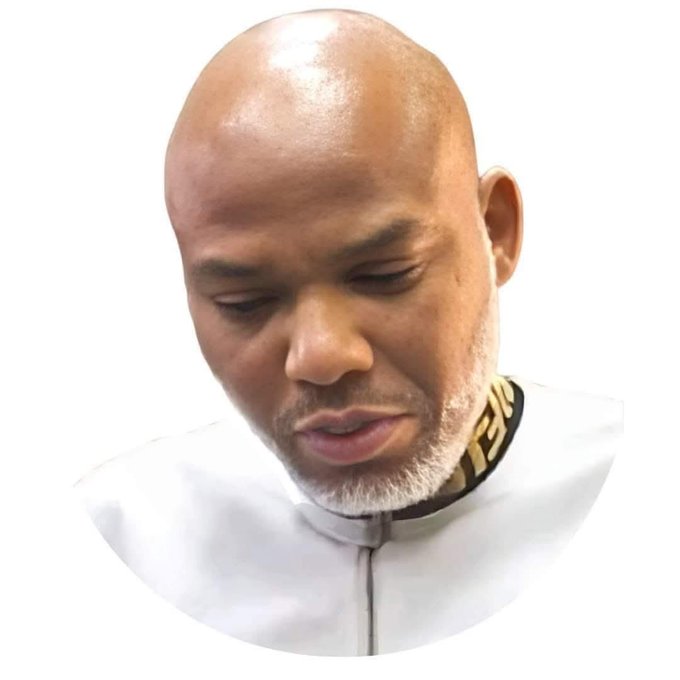
President Bola Tinubu on Thursday granted a sweeping list of pardons to convicted individuals, drawing both applause and sharp criticism across the country. Among those pardoned were a cocaine trafficker serving a life sentence, an alleged coup plotter, and several prominent historical figures, including Mamman Vatsa, the late Nnamdi Azikiwe, and Herbert Macaulay. Former lawmaker Farouk Lawan, who was convicted for accepting bribes on tape, was also included in the presidential clemency.....KINDLY READ THE FULL STORY HERE▶
The list further extended to numerous politicians and individuals convicted of fraud, corruption, and other serious crimes, signaling a broad move toward rehabilitation and forgiveness. Supporters say the pardons are a step toward national reconciliation, while critics argue that the choices reflect a troubling double standard in the application of justice.
“What message does this send to ordinary Nigerians?” asked Aisha Bello, a human rights advocate in Abuja. “Those who steal, traffic drugs, or commit serious crimes are forgiven, yet those demanding justice and self-determination remain in prison.”
The pardons come amid growing public attention on the prolonged detention of Mazi Nnamdi Kanu, leader of the Indigenous People of Biafra (IPOB). Kanu has been held for years despite multiple court orders demanding his release. His supporters argue that his detention is politically motivated and violates his basic human rights.
“This is clear hypocrisy,” said Chukwuemeka Okafor, a political analyst. “Criminals and corrupt politicians are pardoned and even celebrated, while a man calling for self-determination and justice is denied freedom. It raises serious questions about fairness and the rule of law in Nigeria.”
The announcement of the pardons came in a formal statement from the presidency. It praised the principle of national reconciliation and the belief that every Nigerian deserves an opportunity to reform and reintegrate into society. However, the statement made no mention of Kanu or other political detainees.
Legal experts note that presidential clemency is a constitutional right, but its selective application has fueled criticism. “The president has the power to grant pardons,” said Professor Adebayo Olumide, a constitutional law scholar. “But when this power is exercised unevenly, it undermines public trust and raises concerns about political bias in the justice system.”
The pardons also revive debate over Nigeria’s historical treatment of political activists versus convicted criminals. Figures like Nnamdi Azikiwe and Herbert Macaulay, whose names carry national significance, were included posthumously, highlighting the symbolic nature of some clemencies. Critics argue, however, that modern political activists like Kanu, who challenge the state, are treated far more harshly despite legal protections.
Social media platforms erupted with reactions following the announcement, with hashtags demanding Kanu’s release trending nationwide. Civil society organizations, human rights groups, and ordinary citizens alike have called for equal treatment under the law.
Political observers say that how the government handles Kanu’s detention moving forward could define Tinubu’s presidency in terms of justice, fairness, and human rights. “The world is watching,” said Okafor. “Selective clemency may appear as leniency for some, but it is seen as repression for others. This government must answer why Kanu remains behind bars while others walk free.”
As Nigeria navigates questions of reconciliation, justice, and political freedom, Thursday’s sweeping pardons have stirred a national conversation about the limits of executive power, fairness in the legal system, and the ongoing struggle for self-determination in parts of the country.


Latest News
DOUBLE AGENT CRISIS: Melaye Fires Epic Warning Over Adedeji’s Alleged Dual Roles As Tax Boss and President’s Fundraiser!.

African Democratic Congress (ADC) chieftain Dino Melaye has strongly criticized the inclusion of Nigeria Revenue Service (NRS) Executive Chairman, Zacch Adedeji, as Deputy Director of Fundraising for President Bola Tinubu’s 2027 presidential campaign.....KINDLY READ THE FULL STORY HERE▶
Appearing as a guest on Arise Television’s Prime Time, Melaye argued that assigning campaign fundraising duties to the head of a critical national revenue agency demonstrates profound desperation and violates public service rules.
Key Objections and Legal Challenge
-
Conflict of Interest: Melaye emphasized that because the NRS chairman’s office is a Senate-confirmed position bound by statutory and public service regulations, holding a simultaneous political campaign role creates an unacceptable conflict of interest.
-
Intentions Questioned: He alleged that the arrangement suggests the initial appointment to the NRS was strategically designed to channel financial backing toward the president’s re-election bid.
-
Legal Action: Vowing to challenge the development in a court of law, Melaye stated his intention to expose what he perceives as a disregard for governance standards.
Response to Campaign List Review
Melaye also reacted to recent reports regarding the suspension and review of the campaign council roster. He claimed that the swift administrative pullback and the omission of certain names were direct reactions to public outcry and criticisms raised by opposition figures.
Would you like to explore official updates or review related portal information regarding political appointments and guidelines? You can check updates through the Arise News Portal or reference announcements via Daily Post.
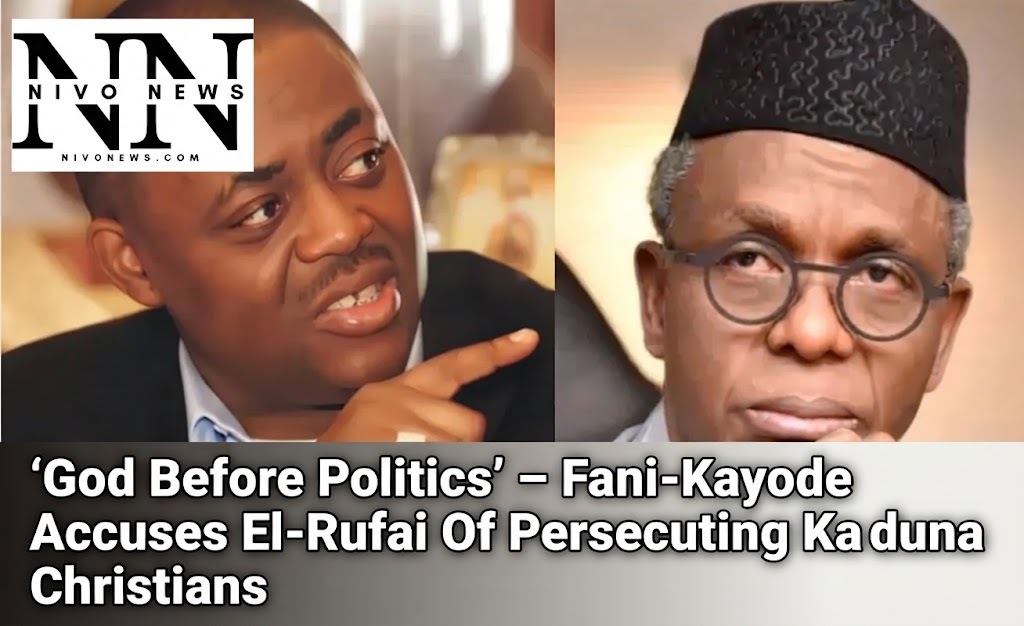
Former Aviation Minister and Nigeria’s former Ambassador to South Africa, Femi Fani-Kayode, has publicly criticized former Kaduna State Governor Nasir El-Rufai, alleging that his eight-year administration oversaw the systematic marginalization and mistreatment of Christian communities in the state.....KINDLY READ THE FULL STORY HERE▶
Addressing northern Christian leaders, Fani-Kayode claimed that during El-Rufai’s tenure, Christian communities faced violence, denial of developmental projects, and unequal allocation of resources. He asserted that Christian clergy members frequently endured insults and opposition regarding government policies, yet maintained a stance of prayer and non-violence.
Shifting his focus to the current administration, Fani-Kayode praised incumbent Governor Uba Sani—who previously served as a special adviser under El-Rufai—describing him as fair-minded and inclusive. According to Fani-Kayode, Sani had privately expressed deep concern over the previous administration’s approach toward religious groups in the state.
Furthermore, Fani-Kayode alleged that El-Rufai’s former deputy, Barnabas Bala Bantex, was also undermined and disrespected because of his faith during cabinet sessions. Concluding his remarks, Fani-Kayode emphasized that principles of fairness and spiritual duty must always transcend partisan politics.
Latest News
Inside Oshiomhole’s Warning: Why Hope Uzodinma Is The Wrong Man To Sell The APC Government to Ndigbo!
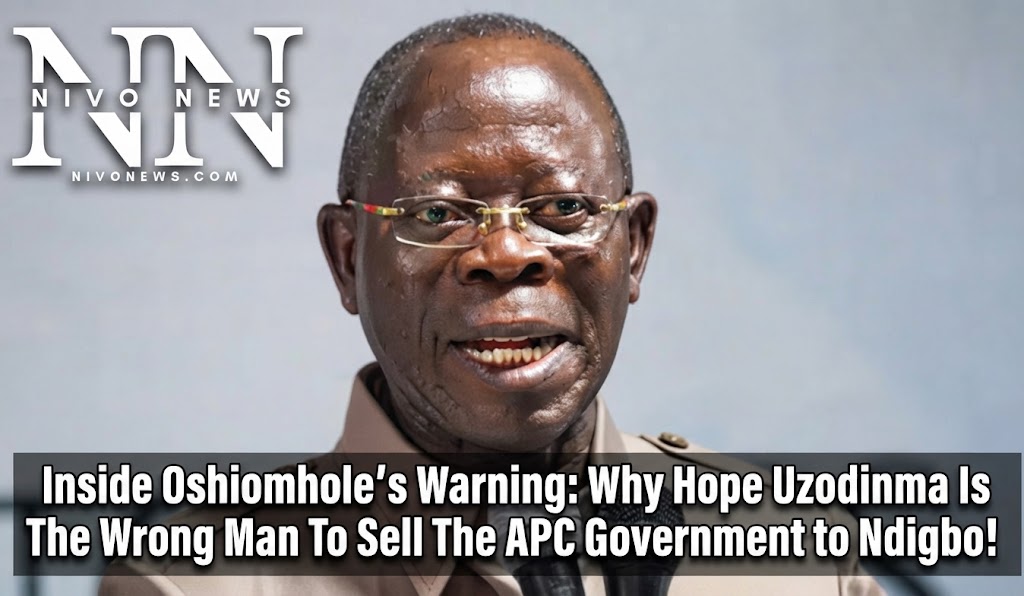
Former Edo State Governor and current Senator Adams Oshiomhole has clarified that Imo State Governor Hope Uzodimma should not bear the sole responsibility of championing President Bola Tinubu and his administration across the South-East region.....KINDLY READ THE FULL STORY HERE▶
Speaking during a television interview on Sunday, Oshiomhole addressed broader political engagement strategies aimed at strengthening ties between the Federal Government and the South-East. He noted that while Uzodimma holds a prominent position as secretary within the ruling party’s campaign structure, that role does not translate to an exclusive mandate for explaining government policies and milestones to the Igbo community.
Instead, Oshiomhole emphasized that all political leaders and governors representing the South-East share an equal duty to communicate effectively with their constituents and build strong bridges with the center.
“Please note, the fact that Hope Uzodimma is the secretary doesn’t mean he will be the one marketing President Bola Ahmed Tinubu to the Igbo nation. I believe that every other governor in the South-East also has a role to play,” Oshiomhole stated.
-

 latest1 year ago
“Social Media Erupts As Jim Iyke Declares Rita Dominic Nollywood’s Most Beautiful”
-
 latest2 years ago
Edo Political Showdown: Oshiomhole Appears At Presidential Villa As Tinubu Hands APC Gubernatorial Flag To Okpebholo (Photos & Video)
-
 entertainment2 years ago
Love Knows No Age American Woman Defends Marriage To Young Nigerian Man “I’m Not 70”
-
 latest2 years ago
Olumide Akpata Strikes Again: Drops Killer Track, Sends Edo State Into Frenzy!(Video)
-
 Politics3 years ago
Nigerians React As Pastor Adeboye Foresees Passing Away On A Sunday After Enjoying A Satisfying Meal Of Pounded Yam
-
 latest2 years ago
FG Identifies 31 States At Risk Of Heavy Flooding In 2024: See Full List
-
 Politics3 years ago
BREAKING: Inspector-General Of Police Summons Top Police Commanders For Crucial-Security Challenges
-
 latest2 years ago
5 NYSC Corpers Perish In Fatal Road Accident Returning From Camp