
latest
Sanusi Urges Private Investment to Drive Nigeria’s Economic Growth at UNGA

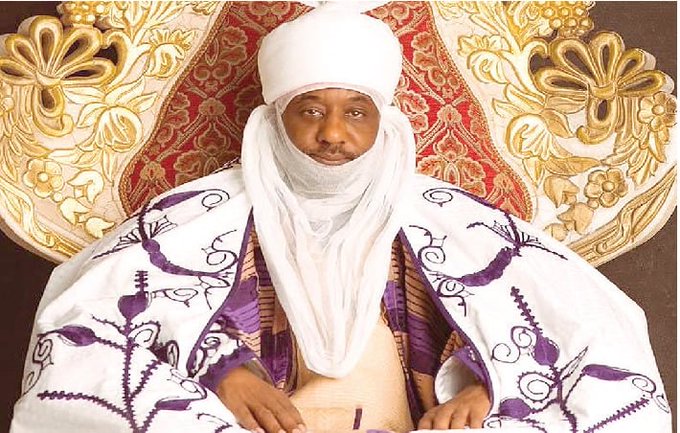
Former Central Bank of Nigeria Governor Muhammadu Sanusi has called for greater private capital investment to help transform Nigeria’s struggling economy, warning that reliance on government spending alone will not deliver growth.....KINDLY READ THE FULL STORY HERE▶
Speaking on the sidelines of the United Nations General Assembly this week, Sanusi urged global investors to look beyond Nigeria’s challenges and focus on opportunities in agriculture, energy, and infrastructure. He said Nigeria’s large population and young workforce make it a strong destination for long-term investment.
“We cannot depend only on government budgets,” Sanusi said. “Private capital is essential if Nigeria wants to achieve real transformation. Investors should see Nigeria not only for its risks but for its potential.”
Nigeria, Africa’s most populous country, has faced rising inflation, weak currency performance, and unemployment. The naira has dropped sharply this year as the government struggles to stabilize foreign exchange markets. President Bola Tinubu has launched economic reforms, including ending fuel subsidies and easing restrictions on foreign exchange. While these moves have been praised by international lenders, they have also triggered public anger over higher prices.
Sanusi, who also served as Emir of Kano, said private investment could help ease some of these pressures. He argued that Nigeria needs more financing for renewable energy, food production, and technology to create jobs and reduce dependence on imports.
He pointed to sectors where Nigeria already shows promise, such as fintech and entertainment, which have attracted international attention in recent years. “With the right policies, we can repeat this success in other parts of the economy,” Sanusi said.
Nigeria’s leaders have often promised to attract foreign investors, but many businesses remain cautious due to insecurity, weak infrastructure, and regulatory uncertainty. Sanusi acknowledged these concerns but insisted they should not stop long-term investors. “No country is without risk,” he said. “The question is whether the opportunities outweigh the challenges. In Nigeria, they do.”
The call comes at a time when African nations are pressing for fairer treatment in global finance. Leaders at the UN General Assembly have pushed for reforms to international lending systems that often leave developing countries in heavy debt. Sanusi said private capital, if properly directed, could reduce the reliance on external loans.
Analysts note that Nigeria’s government must still play a role in creating a stable environment. Clear rules, anti-corruption efforts, and investment in public infrastructure remain critical. Without these steps, attracting the scale of private capital Sanusi envisions will be difficult.
Still, his message aligns with a growing push for African economies to shift from aid and debt toward investment and trade. “Nigeria should not be waiting for donors,” Sanusi said. “We need to create the space for investors to come in, build industries, and provide jobs.”
Nigeria has more than 200 million people, half of them under 18, making it one of the youngest populations in the world. Economists warn that without rapid job creation, social pressures could intensify. Sanusi argued that private capital is the fastest way to generate opportunities at scale.
The former central banker remains an influential voice in Nigeria’s economic debates. Though he no longer holds public office, his interventions often shape discussions on policy and reform. His latest call is likely to add pressure on Nigeria’s leaders to strengthen investor confidence.
For now, global markets are watching how Tinubu’s reforms unfold. If Nigeria can stabilize its economy and improve the investment climate, Sanusi’s vision of private capital leading transformation may become a reality.


latest
MILLIONS IN, MILLIONS OUT: Manchester United Cracks Record £677.6M Revenue Amid Mounting Financial Bleed!

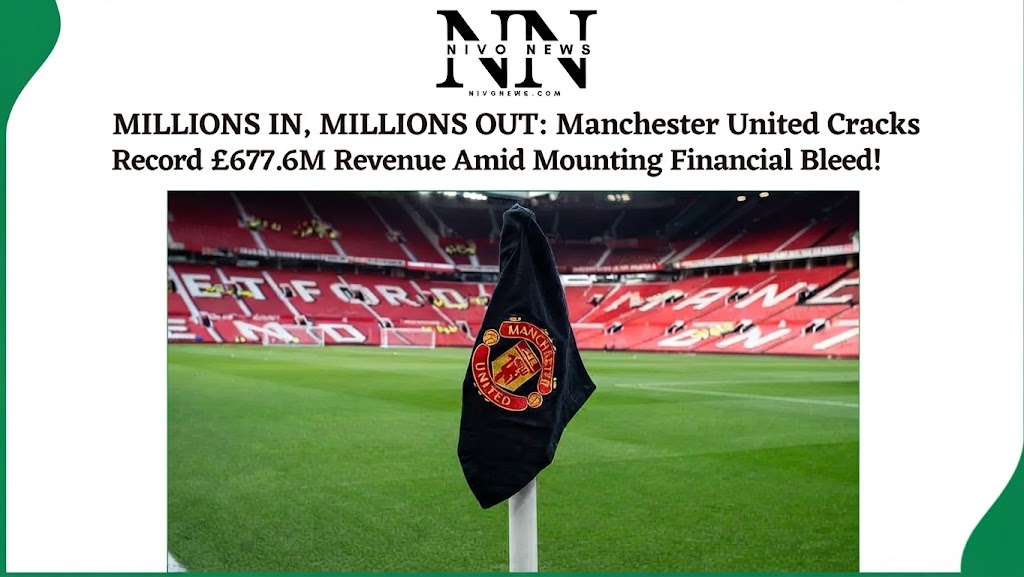
Manchester United has reported a net loss of £43 million (approx. $57 million) for the financial year ending June 30, even as the club pulled in a record-breaking revenue of £677.6 million.....KINDLY READ THE FULL STORY HERE▶
The club’s revenue saw a 1.7 percent boost, largely propelled by a nearly 20 percent increase in broadcasting income following a third-place finish in the Premier League during the 2025/26 season. However, both commercial and matchday revenues dropped by nearly 5 percent due to playing without European football.
Key highlights from the financial report include:
-
Seventh Consecutive Loss: The accounts marked United’s seventh straight annual loss after tax, which included £8.2 million in exceptional costs mainly linked to the departure of manager Ruben Amorim in January after 14 months in charge.
-
Stadium Expansion & Cost-Cutting: The club invested £63.5 million on land adjacent to Old Trafford as part of ambitions to build a new 100,000-capacity stadium, while co-owner Jim Ratcliffe has continued implementing strict cost-cutting initiatives and job reductions.
-
Future Outlook: Chief Executive Omar Berrada expressed confidence in the club’s trajectory and financial discipline, with the club projecting revenues between £740 million and £760 million for the current financial year.
Despite the positive financial outlook and a return to Champions League football under manager Michael Carrick, the team has faced a rocky start to the new Premier League campaign, picking up five points from their first five matches and exiting the English League Cup.
latest
ARM UP OR WIPE OUT! General Musa Demands Mandatory Military Boot Camp For Every Single Citizen!
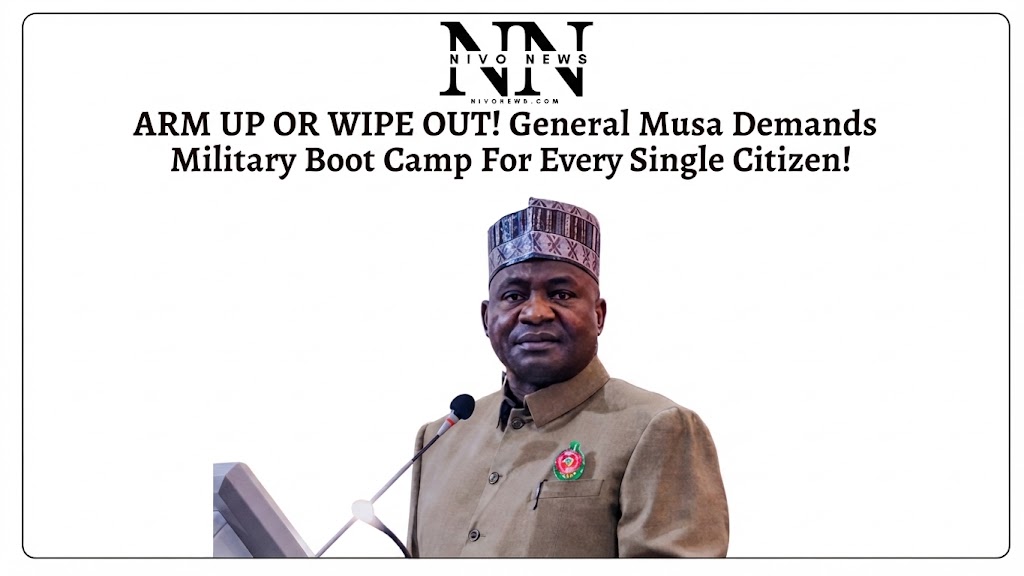
The Minister of Defence, General Christopher Musa (rtd), has proposed that every Nigerian citizen should undergo military training, arguing that the physical and mental endurance it builds provides a unique perspective on life.....KINDLY READ THE FULL STORY HERE▶
Speaking on the African Leadership Podcast with Ken Giami, the minister explained that putting ordinary citizens through rigorous boot-camp conditions would foster a deeper appreciation for the sacrifices made by members of the Armed Forces.
According to Musa, experiencing firsthand hunger, exhaustion, and physical strain teaches invaluable lessons in resilience.
-
Building Resilience: Citizens would learn what it means to keep moving forward despite physical fatigue, lack of sleep, and hunger while protecting their country.
-
Understanding the Military: The training is designed to help the public truly grasp the gravity of soldiers putting their lives at stake on the front lines.
-
Addressing Criticism: Expressing frustration over public backlash, the minister noted that such an experience would help critics better understand and respect the hardships military personnel face daily.
Musa emphasized that understanding these hardships highlights the true dedication of security forces who risk everything so that other Nigerians can move about freely.
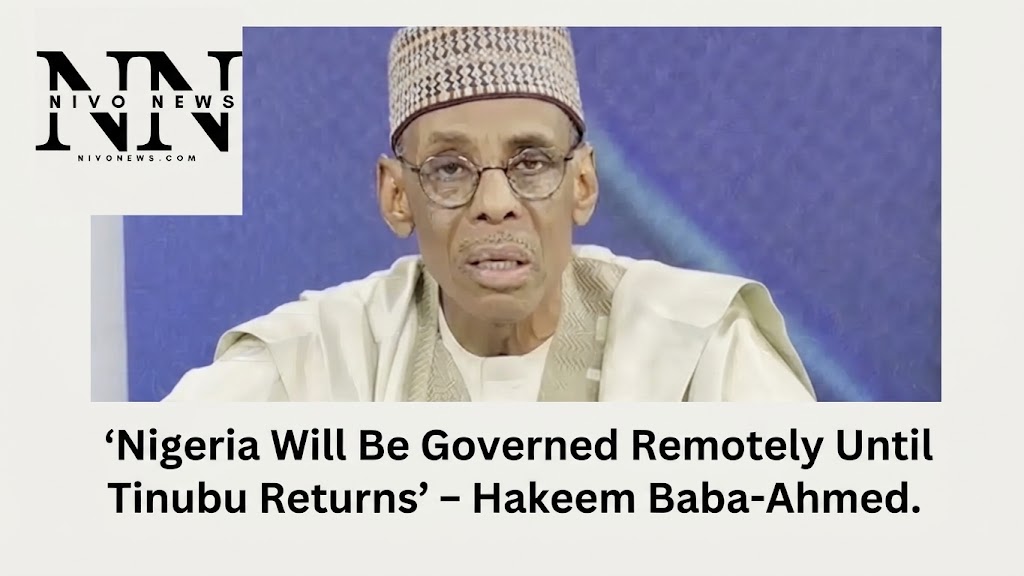
ABUJA — The National Chairman of the Peoples Redemption Party (PRP), Dr. Hakeem Baba-Ahmed, has remarked that Nigeria is effectively being managed from afar following the extension of President Bola Tinubu’s leave in Europe.....KINDLY READ THE FULL STORY HERE▶
Baba-Ahmed pointed out that both President Tinubu and Vice President Kashim Shettima are currently out of the country—with the President extending his working vacation in Paris and the Vice President attending the United Nations General Assembly (UNGA) in New York.
Key Highlights from Baba-Ahmed’s Remarks
-
Remote Governance: Baba-Ahmed criticized the concurrent absence of the nation’s top two leaders, noting on social media that the country would have to “be governed remotely” until the President’s return.
-
Critical Timing: He emphasized that this leadership vacuum occurs at a crucial moment when citizens are evaluating the current administration and deciding whether they desire a continuation of leadership or a major change.
-
Questions on Leadership Priorities: The PRP chieftain expressed skepticism over the timing of the prolonged absence, suggesting that the administration’s current approach leaves critical domestic governance gaps.
-

 latest1 year ago
“Social Media Erupts As Jim Iyke Declares Rita Dominic Nollywood’s Most Beautiful”
-
 latest3 years ago
Edo Political Showdown: Oshiomhole Appears At Presidential Villa As Tinubu Hands APC Gubernatorial Flag To Okpebholo (Photos & Video)
-
 entertainment2 years ago
Love Knows No Age American Woman Defends Marriage To Young Nigerian Man “I’m Not 70”
-
 latest3 years ago
Olumide Akpata Strikes Again: Drops Killer Track, Sends Edo State Into Frenzy!(Video)
-
 Politics3 years ago
Nigerians React As Pastor Adeboye Foresees Passing Away On A Sunday After Enjoying A Satisfying Meal Of Pounded Yam
-
 latest2 years ago
FG Identifies 31 States At Risk Of Heavy Flooding In 2024: See Full List
-
 Politics3 years ago
BREAKING: Inspector-General Of Police Summons Top Police Commanders For Crucial-Security Challenges
-
 latest3 years ago
5 NYSC Corpers Perish In Fatal Road Accident Returning From Camp