
latest
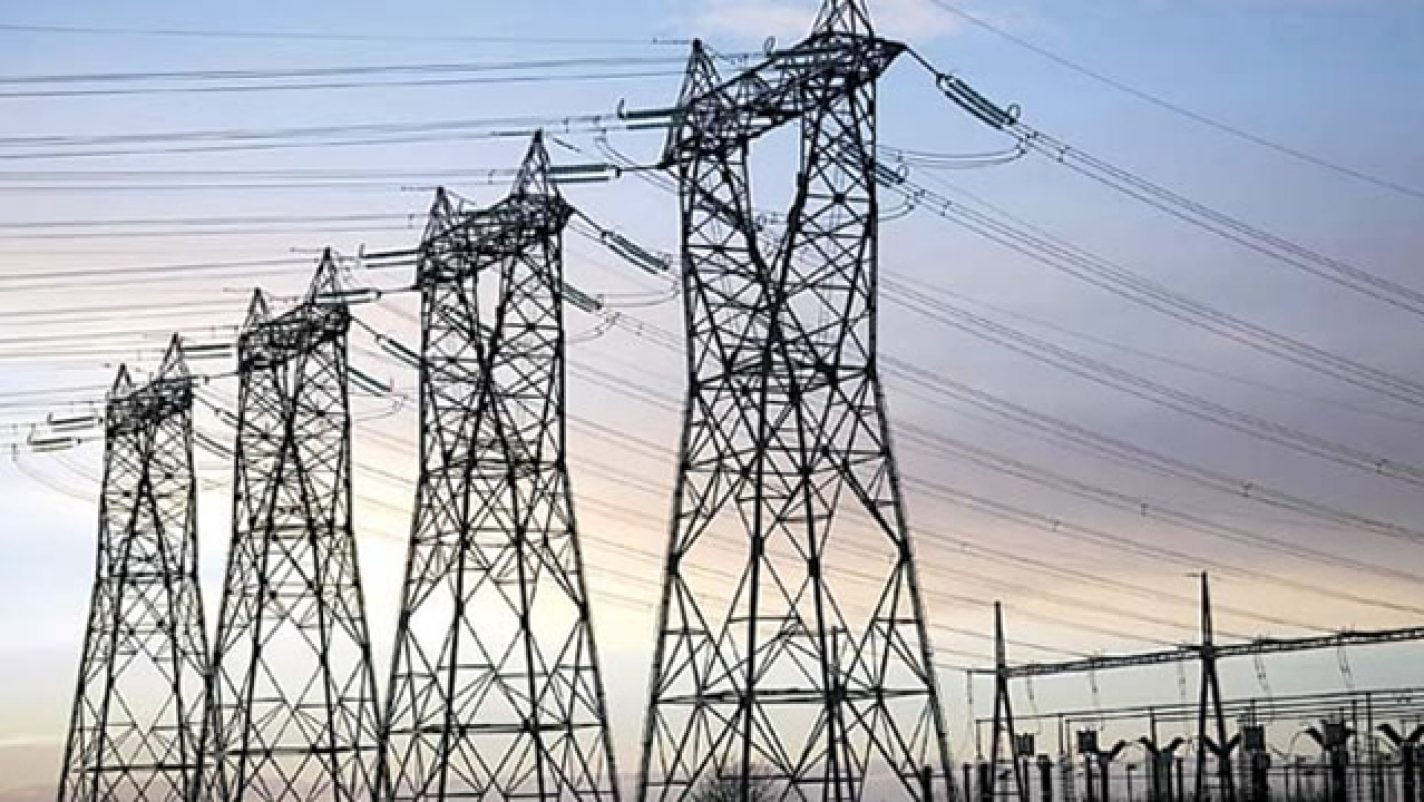
Electricity Tariff Hike: Nigerian Government’s Response To Workers’ Protest

Electricity Tariff Hike: Nigerian Government’s Response To Workers’ Protest
The controversy over the recent electricity tariff hike in Nigeria has intensified, with organized labor disrupting activities in the power sector on Monday. Workers demanded the reversal of the tariff increase, leading to widespread picketing of electricity distribution company (Disco) offices and the Nigerian Electricity Regulatory Commission (NERC)……..CONTINUE READING....KINDLY READ THE FULL STORY HERE▶
Protests and Picketing
In Abuja, the protest, led by Nigerian Labour Congress (NLC) President Joe Ajaero, targeted the Ministry of Power and the NERC headquarters. Offices of the Abuja Electricity Distribution Company were shut down, and similar actions occurred in Kwara, Lagos, Kaduna, Plateau, Enugu, Sokoto, and other regions.
Ajaero criticized NERC’s methodology for tariff increases, citing the hike as a primary driver of the country’s inflation, which reached 33.20% for the headline rate and 40.01% for food in March.
Government’s Response
In response to the one-day protest, the Nigerian Government expressed readiness to negotiate with organized labor. Mrs. Florence Eke, spokesperson for the Ministry of Power, indicated that a consultative meeting would be held next week with labor representatives and stakeholders. She emphasized that while the Ministry of Power makes policies, agencies like NERC are responsible for their implementation.
Labor’s Stance
Benson Upah, spokesperson for the Nigeria Labour Congress, stated that the government should have consulted with stakeholders before implementing the tariff hike on April 3. He warned that the picketing was a preliminary action, hinting at more substantial protests if the government did not reverse the tariff increase.
Tariff Hike Details
The April 2024 tariff hike by NERC saw a 240% increase for Band A customers receiving 20-24 hours of power supply daily, raising rates from N68 kWh to N225 kWh. The government justified the hike, claiming it would save N1.5 trillion and affect only 15% of the 12.8 million electricity customers. However, a subsequent minor reduction of N18.2 did not satisfy labor groups, prompting further protests.
Expert Opinions
Ewetumo A. A., a retired staff member of the defunct Power Holding Company of Nigeria (PHCN), described the labor actions as long overdue. He criticized the tariff increase’s ripple effects on the economy, calling for a more pragmatic approach by NERC. He suggested a three-step review process for implementing cost-reflective tariffs and urged the government to explore public-private partnerships to fund sector improvements.
Moving Forward
The Nigerian Government plans to engage in dialogue with labor unions to address the tariff hike issue. This consultation aims to find a balanced approach to electricity pricing that considers both economic impacts and the need for sustainable investment in the power sector.
The situation remains tense as labor groups continue to demand more significant concessions from the government, highlighting the critical need for effective policy and regulatory measures to stabilize Nigeria’s power sector and economy.
latest
MILLIONS IN, MILLIONS OUT: Manchester United Cracks Record £677.6M Revenue Amid Mounting Financial Bleed!

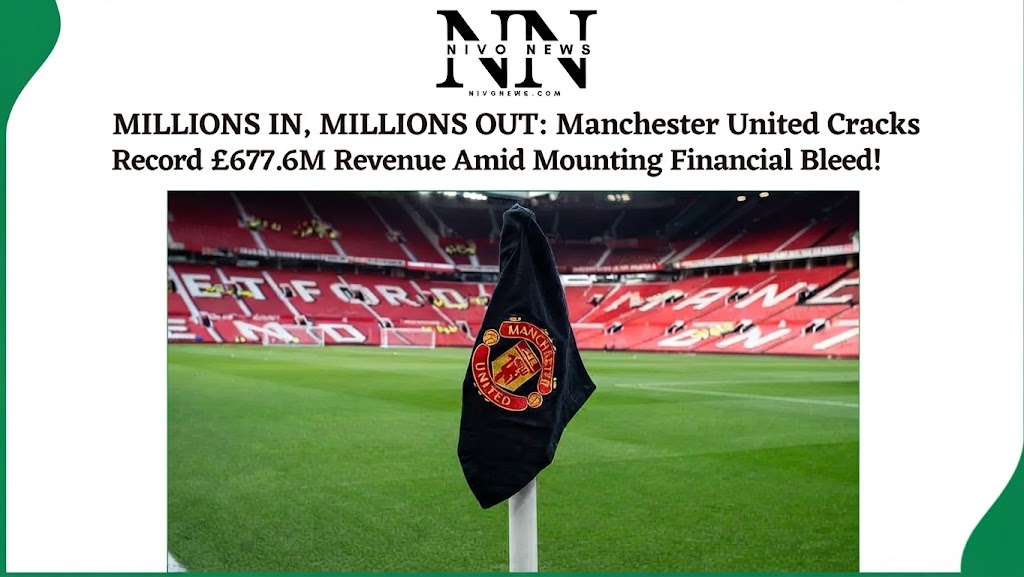
Manchester United has reported a net loss of £43 million (approx. $57 million) for the financial year ending June 30, even as the club pulled in a record-breaking revenue of £677.6 million.....KINDLY READ THE FULL STORY HERE▶
The club’s revenue saw a 1.7 percent boost, largely propelled by a nearly 20 percent increase in broadcasting income following a third-place finish in the Premier League during the 2025/26 season. However, both commercial and matchday revenues dropped by nearly 5 percent due to playing without European football.
Key highlights from the financial report include:
-
Seventh Consecutive Loss: The accounts marked United’s seventh straight annual loss after tax, which included £8.2 million in exceptional costs mainly linked to the departure of manager Ruben Amorim in January after 14 months in charge.
-
Stadium Expansion & Cost-Cutting: The club invested £63.5 million on land adjacent to Old Trafford as part of ambitions to build a new 100,000-capacity stadium, while co-owner Jim Ratcliffe has continued implementing strict cost-cutting initiatives and job reductions.
-
Future Outlook: Chief Executive Omar Berrada expressed confidence in the club’s trajectory and financial discipline, with the club projecting revenues between £740 million and £760 million for the current financial year.
Despite the positive financial outlook and a return to Champions League football under manager Michael Carrick, the team has faced a rocky start to the new Premier League campaign, picking up five points from their first five matches and exiting the English League Cup.
latest
ARM UP OR WIPE OUT! General Musa Demands Mandatory Military Boot Camp For Every Single Citizen!
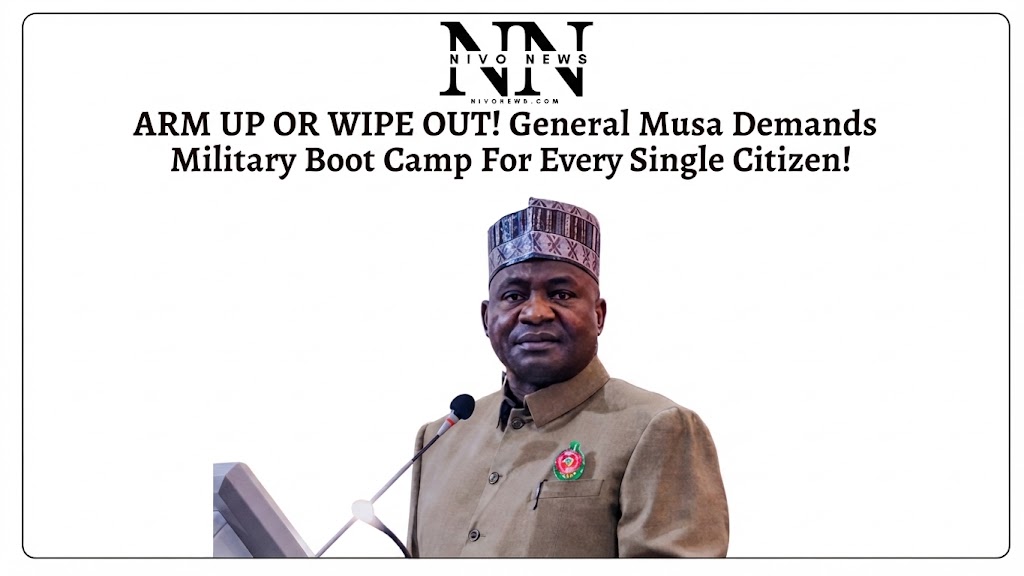
The Minister of Defence, General Christopher Musa (rtd), has proposed that every Nigerian citizen should undergo military training, arguing that the physical and mental endurance it builds provides a unique perspective on life.....KINDLY READ THE FULL STORY HERE▶
Speaking on the African Leadership Podcast with Ken Giami, the minister explained that putting ordinary citizens through rigorous boot-camp conditions would foster a deeper appreciation for the sacrifices made by members of the Armed Forces.
According to Musa, experiencing firsthand hunger, exhaustion, and physical strain teaches invaluable lessons in resilience.
-
Building Resilience: Citizens would learn what it means to keep moving forward despite physical fatigue, lack of sleep, and hunger while protecting their country.
-
Understanding the Military: The training is designed to help the public truly grasp the gravity of soldiers putting their lives at stake on the front lines.
-
Addressing Criticism: Expressing frustration over public backlash, the minister noted that such an experience would help critics better understand and respect the hardships military personnel face daily.
Musa emphasized that understanding these hardships highlights the true dedication of security forces who risk everything so that other Nigerians can move about freely.
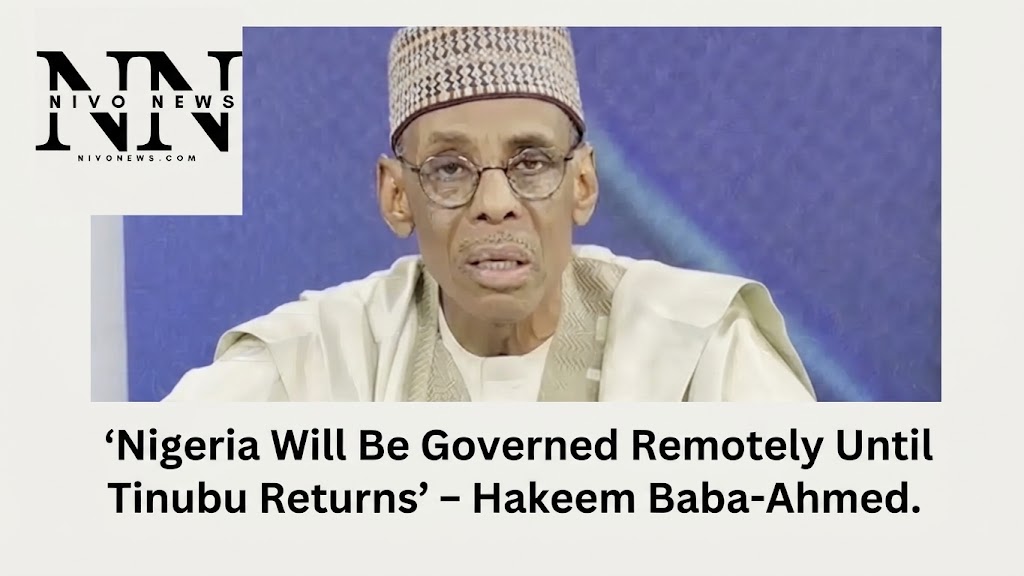
ABUJA — The National Chairman of the Peoples Redemption Party (PRP), Dr. Hakeem Baba-Ahmed, has remarked that Nigeria is effectively being managed from afar following the extension of President Bola Tinubu’s leave in Europe.....KINDLY READ THE FULL STORY HERE▶
Baba-Ahmed pointed out that both President Tinubu and Vice President Kashim Shettima are currently out of the country—with the President extending his working vacation in Paris and the Vice President attending the United Nations General Assembly (UNGA) in New York.
Key Highlights from Baba-Ahmed’s Remarks
-
Remote Governance: Baba-Ahmed criticized the concurrent absence of the nation’s top two leaders, noting on social media that the country would have to “be governed remotely” until the President’s return.
-
Critical Timing: He emphasized that this leadership vacuum occurs at a crucial moment when citizens are evaluating the current administration and deciding whether they desire a continuation of leadership or a major change.
-
Questions on Leadership Priorities: The PRP chieftain expressed skepticism over the timing of the prolonged absence, suggesting that the administration’s current approach leaves critical domestic governance gaps.
-

 latest1 year ago
“Social Media Erupts As Jim Iyke Declares Rita Dominic Nollywood’s Most Beautiful”
-
 latest3 years ago
Edo Political Showdown: Oshiomhole Appears At Presidential Villa As Tinubu Hands APC Gubernatorial Flag To Okpebholo (Photos & Video)
-
 entertainment3 years ago
Love Knows No Age American Woman Defends Marriage To Young Nigerian Man “I’m Not 70”
-
 latest3 years ago
Olumide Akpata Strikes Again: Drops Killer Track, Sends Edo State Into Frenzy!(Video)
-
 Politics3 years ago
Nigerians React As Pastor Adeboye Foresees Passing Away On A Sunday After Enjoying A Satisfying Meal Of Pounded Yam
-
 latest2 years ago
FG Identifies 31 States At Risk Of Heavy Flooding In 2024: See Full List
-
 Politics3 years ago
BREAKING: Inspector-General Of Police Summons Top Police Commanders For Crucial-Security Challenges
-
 latest3 years ago
5 NYSC Corpers Perish In Fatal Road Accident Returning From Camp