
latest
PAYE Tax System Sparks Debate Over Nigeria’s Development Path – Tony Monye.


In practical terms, Lagos State stands far beyond the typical definition of a state, and this is not an exaggeration. It operates almost like an independent economic entity.....KINDLY READ THE FULL STORY HERE▶
latest
Massive Recruitment Bonanza! INEC Drops Portal For 1.4 Million Ad-Hoc Jobs Ahead Of 2027 Elections!

-
Portal Launch and Dates: The Independent National Electoral Commission (INEC) opened its INECPRES portal for 2027 election ad hoc staff recruitment on Friday, September 18, 2026, running until midnight on Wednesday, November 18, 2026.....KINDLY READ THE FULL STORY HERE▶
-
-
Available Positions: The commission is recruiting for roles such as Supervisory Presiding Officers, Presiding Officers, Assistant Presiding Officers, Registration Area Centre (RAC) Managers, and Registration Area Technical Support personnel.
-
Eligibility and Requirements: Eligible applicants include civil servants, current and former NYSC members, tertiary students, and ICT personnel; applicants must provide a functional email, personal bank account, passport photograph, valid ID, and qualification documents.
-
Application Process: Candidates must visit the INECPRES portal, review instructions, complete their personal and educational details accurately, review their entries, and submit their application while keeping registration details for future reference.
-
latest
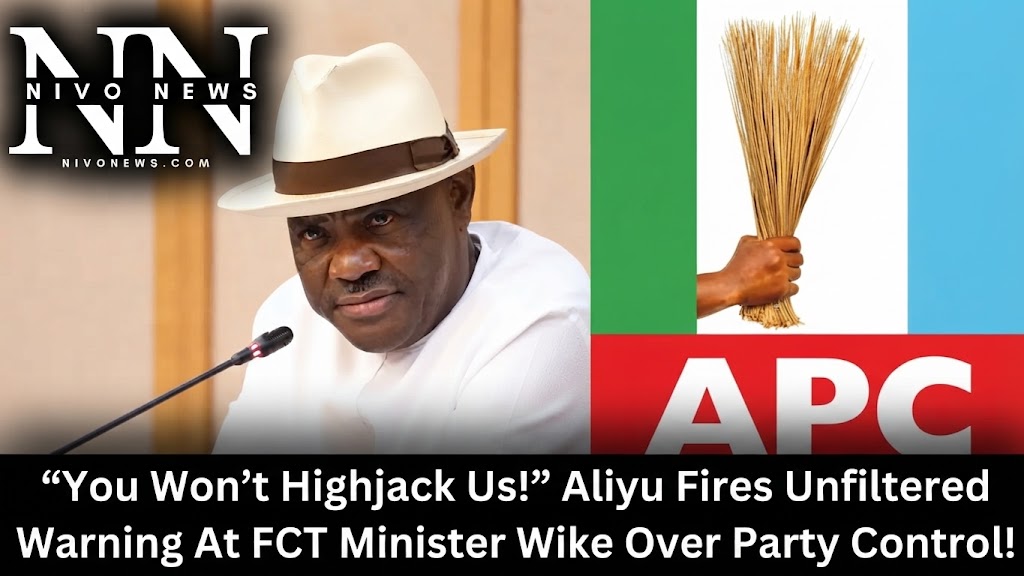
“You Won’t Highjack Us!” Aliyu Fires Unfiltered Warning At FCT Minister Wike Over Party Control!
-
Warning to Wike: Former House of Representatives Minority Leader Farouq Aliyu stated during an interview on Channels Television’s Politics Today that FCT Minister Nyesom Wike will not be permitted to use the APC to build his own party or enter through the back door under the guise of supporting President Bola Tinubu.....KINDLY READ THE FULL STORY HERE▶
-
-
Context of the Feud: The friction follows Wike labeling APC governors as “politically lazy” after the Progressives Governors’ Forum chairman and Imo State Governor, Hope Uzodimma, issued a communique rejecting alliances that threaten President Tinubu’s and other candidates’ 2027 re-election bids.
-
Accusation of Arrogance: Farouq criticized Wike’s approach, stating that arrogance has no place in politics and warning that while the party appreciates his past contributions, it will not tolerate attempts to destabilize the ruling platform.
-
latest
Head’s Will Roll! OK Movement Denounces Fraudulent Campaign Council And Promises Fresh Leadership Shake-Up!

-
Campaign Council Disclaimer: The Obi-Kwankwaso Movement (OK Movement)—a grassroots support organization mobilizing for Peter Obi and Rabiu Kwankwaso under the Nigeria Democratic Congress (NDC)—has distanced itself from a trending 2027 presidential campaign council list, clarifying that official announcements will be made through proper NDC channels.....KINDLY READ THE FULL STORY HERE▶
-
-
New Leadership: The movement announced that a new Director-General will be appointed and revealed soon, while urging the public and media to ignore the unauthorized roster.
-
Condemnation of Attack: The group strongly condemned a recent “shameful” attack and obstruction directed at Peter Obi during his visit to Benue State.
-
Call for Restraint and Rights: Emphasizing that every political leader has a constitutional right to campaign freely across Nigeria without intimidation, the movement noted that its security personnel deliberately exercised restraint to prevent a wider confrontation, though this peaceful stance should not be mistaken for weakness.
-
-

 latest1 year ago
“Social Media Erupts As Jim Iyke Declares Rita Dominic Nollywood’s Most Beautiful”
-
 latest3 years ago
Edo Political Showdown: Oshiomhole Appears At Presidential Villa As Tinubu Hands APC Gubernatorial Flag To Okpebholo (Photos & Video)
-
 entertainment2 years ago
Love Knows No Age American Woman Defends Marriage To Young Nigerian Man “I’m Not 70”
-
 latest3 years ago
Olumide Akpata Strikes Again: Drops Killer Track, Sends Edo State Into Frenzy!(Video)
-
 Politics3 years ago
Nigerians React As Pastor Adeboye Foresees Passing Away On A Sunday After Enjoying A Satisfying Meal Of Pounded Yam
-
 latest2 years ago
FG Identifies 31 States At Risk Of Heavy Flooding In 2024: See Full List
-
 Politics3 years ago
BREAKING: Inspector-General Of Police Summons Top Police Commanders For Crucial-Security Challenges
-
 latest3 years ago
5 NYSC Corpers Perish In Fatal Road Accident Returning From Camp