
latest
Nigeria’s Bad Loans Surge After CBN Ends Pandemic-Era Forbearance.

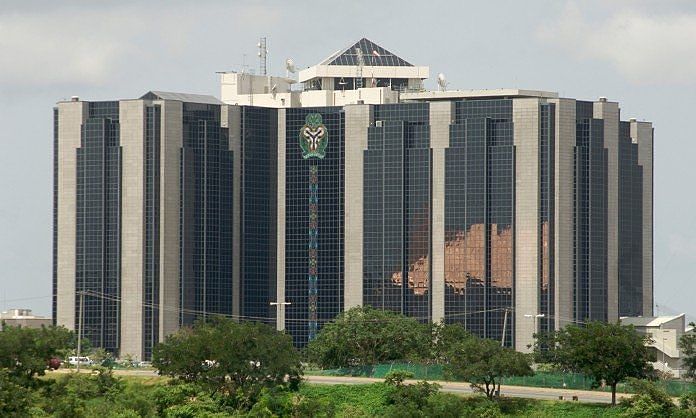
Nigeria’s banking sector experienced a notable rise in bad loans in 2025 following the Central Bank of Nigeria’s (CBN) withdrawal of the regulatory forbearance measures that were granted during the COVID-19 pandemic, according to the apex bank’s latest macroeconomic outlook report.....KINDLY READ THE FULL STORY HERE▶
The report indicated that the industry’s Non-Performing Loans (NPL) ratio increased to an estimated seven per cent, surpassing the prudential benchmark of five per cent. The CBN attributed the rise to the expiration of temporary relief measures that had allowed banks to restructure loans affected by the pandemic without immediately classifying them as non-performing.
Despite the increase in NPLs, the report confirmed that Nigeria’s financial system remained broadly stable, supported by robust capital buffers and liquidity levels. The banking sector’s liquidity ratio averaged 65 per cent, well above the 30 per cent minimum, while the capital adequacy ratio stood at 11.6 per cent, exceeding the 10 per cent threshold. The CBN noted that Nigerian banks retain the capacity to absorb shocks, aided by strong interest income, ongoing digital transformation, and a recapitalisation programme aimed at strengthening balance sheets and expanding lending capacity.
The apex bank highlighted that, while the recapitalisation exercise, combined with enhanced regulatory oversight, maintained market confidence, the surge in NPLs underscores emerging vulnerabilities. Higher interest rates and challenging economic conditions have affected some borrowers’ repayment ability, potentially posing systemic risks if unchecked.
To mitigate risks, the CBN recommended deepening the operational integration of the Global Standing Instruction (GSI) framework to improve loan recovery efficiency and credit discipline. Strengthened repayment mechanisms, the bank said, would enhance MSME and retail credit performance, reduce operational losses, and bolster capital buffers.
Monetary conditions remained tight for most of 2025, with the Monetary Policy Rate only slightly eased in September after signs of price and exchange rate stability. The CBN reiterated its commitment to financial stability through continued supervision, macro-prudential tools, and enforcement of loan recovery measures.
In 2025, banks operating under the previous regulatory forbearance were directed to suspend dividend payments, defer executive bonuses, and halt investments in foreign subsidiaries until capital adequacy and provisioning levels were verified as compliant with standards.
Analysts from Renaissance Capital estimated that top-tier banks such as Zenith Bank, First Bank, and Access Bank had forbearance exposures of 23 per cent, 14 per cent, and four per cent of their gross loan books, respectively. Other banks, including Fidelity Bank and FCMB, had exposures of 10 per cent and eight per cent. Certain lenders’ exposures, particularly FirstHoldCo, Fidelity Bank, and Zenith Bank, raised concerns about potential breaches of Single Obligor Limits.
The CBN’s report concludes that while the sector’s fundamentals remain strong, banks must continue improving risk management, diversifying loan portfolios, and maintaining robust capital positions to navigate future shocks.

Former Nigerian President Olusegun Obasanjo has disclosed how he rejected an offer of political asylum from the United States despite warnings that he could be arrested if he returned to Nigeria.....KINDLY READ THE FULL STORY HERE▶
The former leader also recounted how he left the Nigerian Army to pursue farming before his return to the country led to his arrest and imprisonment under the administration of late military Head of State, General Sani Abacha.
Obasanjo shared the experience while discussing his encounter with Abacha in an interview featured in a video published by BBC News Pidgin on Tuesday.
The 89-year-old explained that he ventured into agriculture after leaving office as Nigeria’s military Head of State in 1979.
According to him, his farming business was progressing successfully until Abacha allegedly made plans to eliminate him.
Obasanjo said he had not intended to retire from the Army at the age of 42, but had reached the highest position possible in the military, having become a four-star general and Head of State.
He said, “When I was leaving government as military head of state, there was, I was leaving too early. I didn’t join the army to retire at the age of 42.
“Now I had to retire at the age of 42. At the age of 42, I had become a four-star general. There’s nothing else I can do in the army. I’ve become the military head of state. That’s the highest political office I could rise.
“So what can I do? I decided I would go into farming. It really was going well, and it went well until I was arrested. Abacha had decided that I must be liquidated; otherwise he would not be able to have his way.”
The former President further disclosed that he was unaware of the alleged plan against him until the American ambassador to Nigeria contacted him while he was travelling.
According to Obasanjo, the ambassador informed him that the US government had offered him political asylum because it anticipated that he would be arrested if he returned to Nigeria.
However, he said he rejected the offer because he believed he had committed no offence that warranted an arrest.
He explained that upon arriving in Nigeria, his passport was seized, and he headed to his farm, only to discover that security operatives had surrounded the premises.
Obasanjo said a plain-clothes police officer later approached him, claiming that an Assistant Inspector-General of Police (AIG) wanted him to assist with an issue.
He recalled rejecting the invitation, insisting that the AIG should personally come to his farm if he needed his assistance.
The former leader said he eventually drove himself to the police station, where the AIG informed him that he had been instructed to arrest him.
Obasanjo added that he was subsequently detained, and former US President Jimmy Carter later intervened on his behalf, leading to his placement under house arrest.
However, he said security operatives returned one night while he was playing squash at about 1 a.m. and took him away to prison.
He said, “I didn’t know that it was a decision of Abacha that some of us must not be kept free; otherwise, he would feel unsafe. I was put in a place. Then President Jimmy Carter came. He pleaded, and then they put me under house arrest.
“Then they came one day; I was playing squash at about 1 am. They came and said they were taking me away. And they took me away, and from there, I went to prison.”

Nigerian music producer Krizbeatz has recounted an experience from a visit to the residence of popular Afrobeats singer Tiwa Savage.....KINDLY READ THE FULL STORY HERE▶
The producer shared the story while speaking about his Christian faith during an interview on the Zikoko podcast.
Krizbeatz described himself as someone who grew up in the church and has continued to maintain a connection with Christianity.
Recalling his encounter with Tiwa Savage during a music production session, he said he visited the singer’s home to work on her song titled Energy.
However, he was surprised by what he found the award-winning singer doing when he arrived at her residence.
According to him, Tiwa Savage was reading the Bible at the time.
He said, “I am the producer of Tiwa Savage’s song ‘Energy.’ The day I visited her house to produce the song, I saw her reading the Bible.”
Meanwhile, Tiwa Savage recently responded to a social media user who questioned her decision to describe herself as an African Baddie.
The controversy started after the man criticised the singer for using the description despite being in her 40s.
He wrote, “African baddie at 40… this one no serious.”
Reacting, the singer disclosed that she is 46 years old and expressed confidence in her appearance, financial status and music career.
She also dismissed the criticism while promoting her forthcoming song, African Baddie.
Tiwa wrote, “46, fine, paid, unbothered and dropping my super hottttt record ‘African Baddie’ on Friday. What exactly is the problem, boy?😂 #AfricanBaddie.”

Former Nigerian President Olusegun Obasanjo has disclosed how he rejected an offer of political asylum from the United States despite warnings that he could be arrested if he returned to Nigeria.....KINDLY READ THE FULL STORY HERE▶
The former leader also recounted how he left the Nigerian Army to pursue farming before his return to the country led to his arrest and imprisonment under the administration of late military Head of State, General Sani Abacha.
Obasanjo shared the experience while discussing his encounter with Abacha in an interview featured in a video published by BBC News Pidgin on Tuesday.
The 89-year-old explained that he ventured into agriculture after leaving office as Nigeria’s military Head of State in 1979.
According to him, his farming business was progressing successfully until Abacha allegedly made plans to eliminate him.
Obasanjo said he had not intended to retire from the Army at the age of 42, but had reached the highest position possible in the military, having become a four-star general and Head of State.
He said, “When I was leaving government as military head of state, there was, I was leaving too early. I didn’t join the army to retire at the age of 42.
“Now I had to retire at the age of 42. At the age of 42, I had become a four-star general. There’s nothing else I can do in the army. I’ve become the military head of state. That’s the highest political office I could rise.
“So what can I do? I decided I would go into farming. It really was going well, and it went well until I was arrested. Abacha had decided that I must be liquidated; otherwise he would not be able to have his way.”
The former President further disclosed that he was unaware of the alleged plan against him until the American ambassador to Nigeria contacted him while he was travelling.
According to Obasanjo, the ambassador informed him that the US government had offered him political asylum because it anticipated that he would be arrested if he returned to Nigeria.
However, he said he rejected the offer because he believed he had committed no offence that warranted an arrest.
He explained that upon arriving in Nigeria, his passport was seized, and he headed to his farm, only to discover that security operatives had surrounded the premises.
Obasanjo said a plain-clothes police officer later approached him, claiming that an Assistant Inspector-General of Police (AIG) wanted him to assist with an issue.
He recalled rejecting the invitation, insisting that the AIG should personally come to his farm if he needed his assistance.
The former leader said he eventually drove himself to the police station, where the AIG informed him that he had been instructed to arrest him.
Obasanjo added that he was subsequently detained, and former US President Jimmy Carter later intervened on his behalf, leading to his placement under house arrest.
However, he said security operatives returned one night while he was playing squash at about 1 a.m. and took him away to prison.
He said, “I didn’t know that it was a decision of Abacha that some of us must not be kept free; otherwise, he would feel unsafe. I was put in a place. Then President Jimmy Carter came. He pleaded, and then they put me under house arrest.
“Then they came one day; I was playing squash at about 1 am. They came and said they were taking me away. And they took me away, and from there, I went to prison.”
-

 latest1 year ago
“Social Media Erupts As Jim Iyke Declares Rita Dominic Nollywood’s Most Beautiful”
-
 latest3 years ago
Edo Political Showdown: Oshiomhole Appears At Presidential Villa As Tinubu Hands APC Gubernatorial Flag To Okpebholo (Photos & Video)
-
 entertainment3 years ago
Love Knows No Age American Woman Defends Marriage To Young Nigerian Man “I’m Not 70”
-
 latest3 years ago
Olumide Akpata Strikes Again: Drops Killer Track, Sends Edo State Into Frenzy!(Video)
-
 Politics3 years ago
Nigerians React As Pastor Adeboye Foresees Passing Away On A Sunday After Enjoying A Satisfying Meal Of Pounded Yam
-
 latest3 years ago
FG Identifies 31 States At Risk Of Heavy Flooding In 2024: See Full List
-
 Politics3 years ago
BREAKING: Inspector-General Of Police Summons Top Police Commanders For Crucial-Security Challenges
-
 latest3 years ago
5 NYSC Corpers Perish In Fatal Road Accident Returning From Camp