
Latest News
Insecurity Unmasked: The Stark Reality of Life and Death in Nigeria

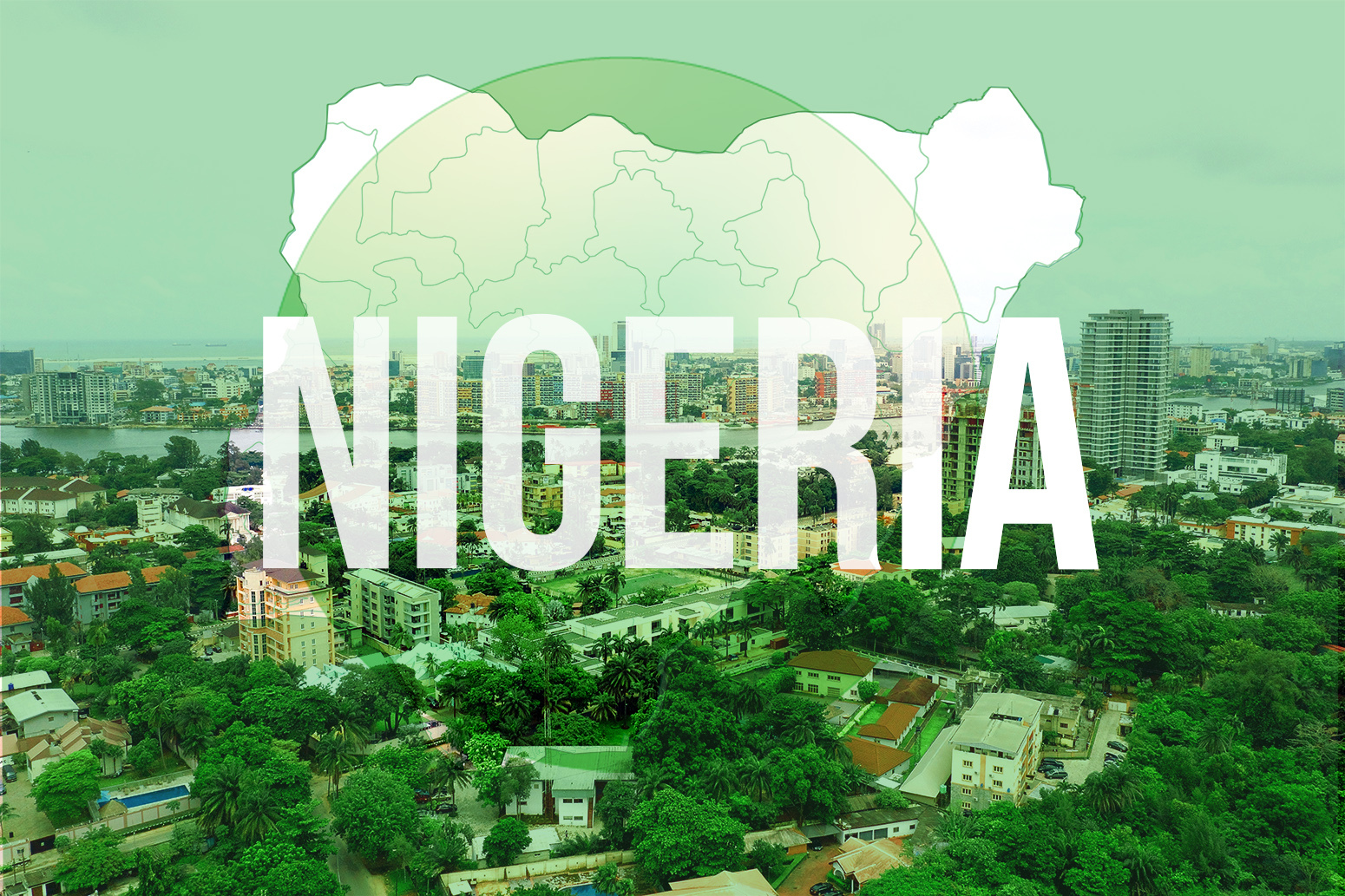
Each new dawn in Nigeria now arrives with a weight of uncertainty, as citizens take their first breath filled with questions that should have no place in a nation so full of promise.....KINDLY READ THE FULL STORY HERE▶
Each morning in Nigeria now begins with a breath heavy with apprehension. It’s no longer just about affording school fees or putting food on the table. A more primal fear has settled beside these burdens: Will I survive today?
Once, such fears were confined to whispers in the Northeast, in places hollowed out by Boko Haram and ISWAP. Ghost towns and mass graves became familiar sights. But now, fear has changed address — finding its way into markets in Kano, highways in Plateau, streets in Kaduna, and military checkpoints in Niger. It now speaks in many tongues, inhabits new postcodes, and leaves devastation in its wake.
In just the past two weeks, a chilling series of incidents have shattered the illusion of safety across the country. In Benue, mass killings have turned the region into a human abattoir. In Plateau, 31 wedding guests were ambushed — 12 slaughtered, others scarred forever. In Borno’s Konduga, mourners were torn apart by suicide bombers. In Kano’s Sabon Gari, a deadly blast snuffed out lives in a place once known for industry and peace. Kaduna’s streets echoed with gunfire as police exchanged bullets with criminals. In Niger State, soldiers manning a checkpoint were ambushed and killed — their weapons stolen, the state humiliated.
These are not isolated tragedies. They form a blood-soaked pattern — one Nigerians are being forced to accept as the “new normal.” And that is where the real danger lies: when terror becomes routine, hopelessness follows.
Yet beyond the bombs and bullets lies a quieter, equally brutal crisis: economic violence. It haunts the market stall where a mother watches her money lose value before her eyes. It echoes across farmlands in Zamfara and Katsina, where tending crops is now a death sentence. When you stitch these realities together, a grim picture emerges — of a country bleeding, staggering under the weight of its own potential.
And the world is watching. A recent global survey by a Singaporean firm rated Nigeria poorly across nine key well-being indices: safety, cost of living, health care, employment, peace, and more. Out of 180 countries, Nigeria failed to make the top 100 in any category. Our Global Peace Index sits at a shameful 146th out of 163 nations. We have less than 0.4 doctors per 1,000 people — far below the global average. Our purchasing power is shrinking, our naira is freefalling, and our infrastructure is buckling under pressure.
Still, on Democracy Day, President Tinubu stood before the National Assembly and declared: “National security is the foundation of peace and progress.” He touted a record N6.11 trillion allocation to defence in a historic N54.99 trillion budget. He spoke of reclaiming communities and securing highways. He called for constitutional amendments for state policing. His intentions, on paper, are bold.
But the gap between promises and outcomes is measured not in naira but in body bags. Days after his speech, bombs exploded, factories were shelled, and soldiers were killed. Critics point to a growing perception: this administration is reactive, not preventive. Two supplementary defence budgets later, farmers still flee their lands, and kidnappers still fix the price of life.
While the government sets up panels and committees, communities improvise barricades with wood and prayer. The harder questions remain: Why are military formations so easily breached? Why did the DSS intelligence warning on the Benue massacre go unheeded? Who ignored the signs — and why have they not been held to account?
Meanwhile, proposals like the border wall championed by the Chief of Defence Staff — a 4,000km wall around Nigeria’s borders — are floated as magic solutions. But such idealism doesn’t hold up in a nation crippled by corruption and inefficiency. We need smarter, not grander, ideas. The real threats are not at the borders but within our institutions — within the fifth columnists embedded in our security architecture.
Here’s the truth: Nigeria is at war — not just with terrorists, but with poverty, injustice, and institutional rot. Real security is not about more soldiers at checkpoints or expensive hardware. It’s about rebuilding trust, empowering communities, and protecting livelihoods. Economic insecurity can be just as deadly as a bullet. A country where 50% of its youth are underemployed is one always on the verge of unrest.
Security must be understood holistically. It means stable prices, functioning hospitals, working schools, fair courts, and accountable leadership. It means defence spending with transparent audits, and a parallel investment in humanitarian reconstruction. It means restoring a social contract where citizens trust that government protects their pockets as well as their lives.
We are already seeing the consequences of neglect: Investors are leaving. Youth are fleeing across oceans. Communities fracture under suspicion. Hope is replaced by headlines.
This crisis cannot be solved by one person or one party. It demands a national consensus — where leaders prioritise public good, security agencies respect rights, and citizens demand accountability. Only then can we bury the haunting question: “Am I safe today?”
We must envision a Nigeria where safety is not a luxury, but a birthright — whether you’re a farmer in Zamfara, a nurse in Kaduna, or a student in Maiduguri. Until then, we’ll continue counting the dead, burying our dreams, and asking: What will it take to end this fragile existence and forge a truly safe nation?

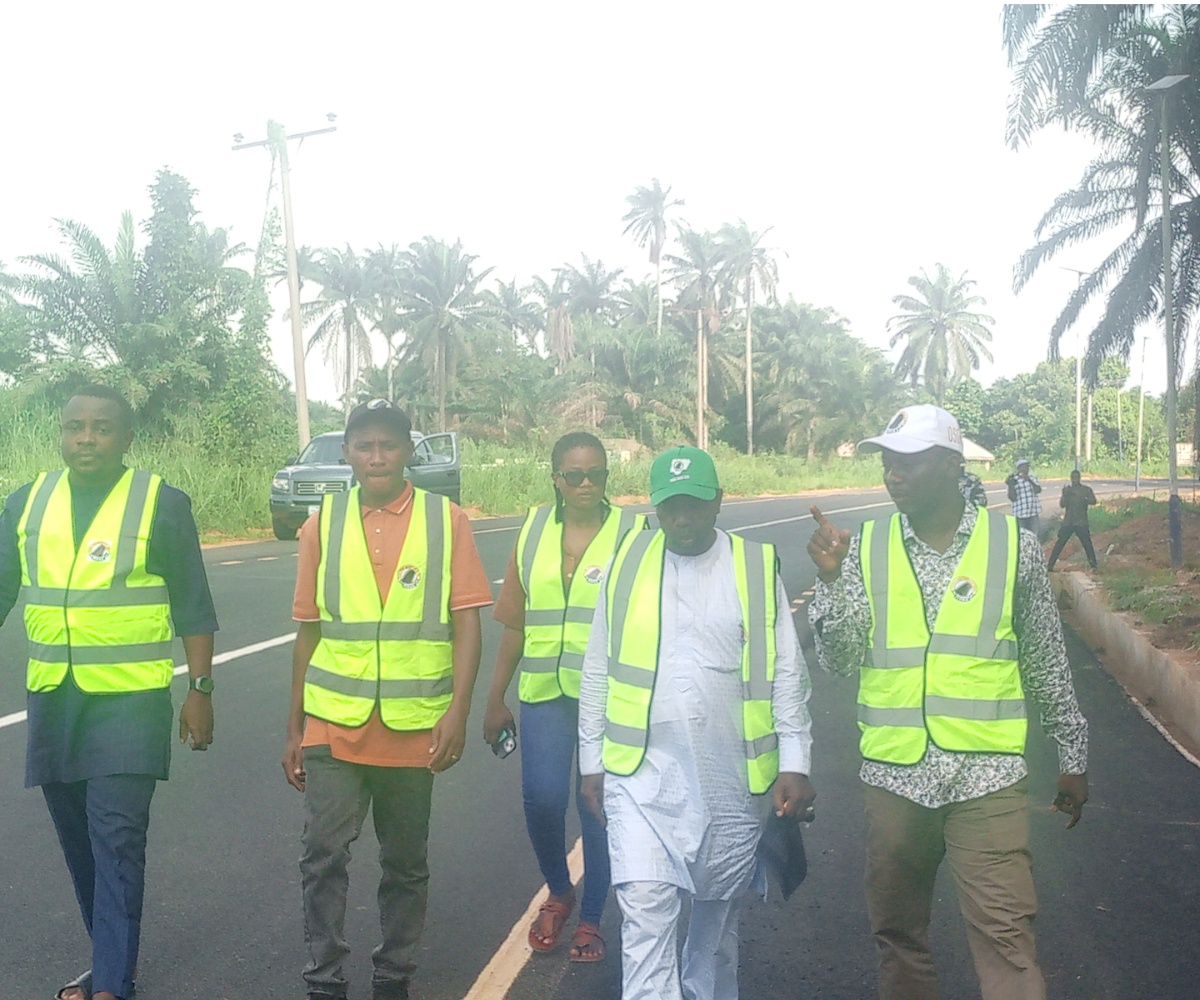
The Federal Road Maintenance Agency (FERMA) has appealed to residents of Abia State and other road users along the Aba–Azumini highway to protect the newly completed road from activities that could damage it.....KINDLY READ THE FULL STORY HERE▶
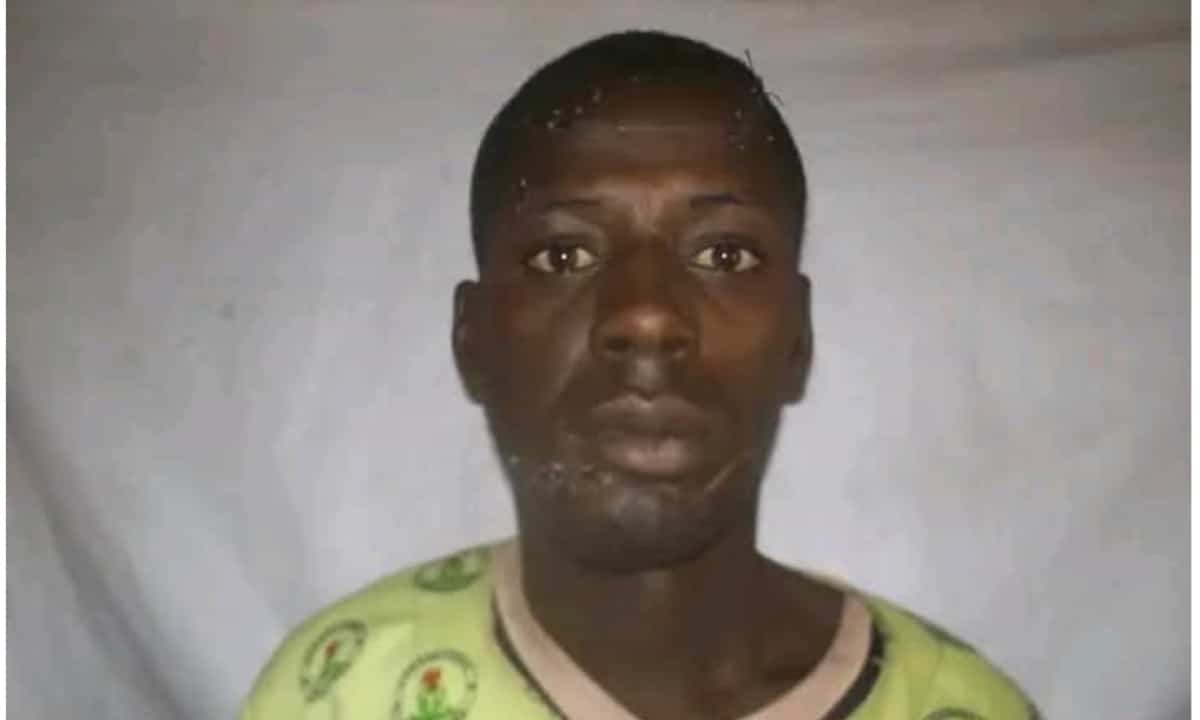
The Nigerian Correctional Service (NCS), Yobe State Command, has declared a 30-year-old inmate wanted after he escaped following a road accident involving a prison transport vehicle.....KINDLY READ THE FULL STORY HERE▶
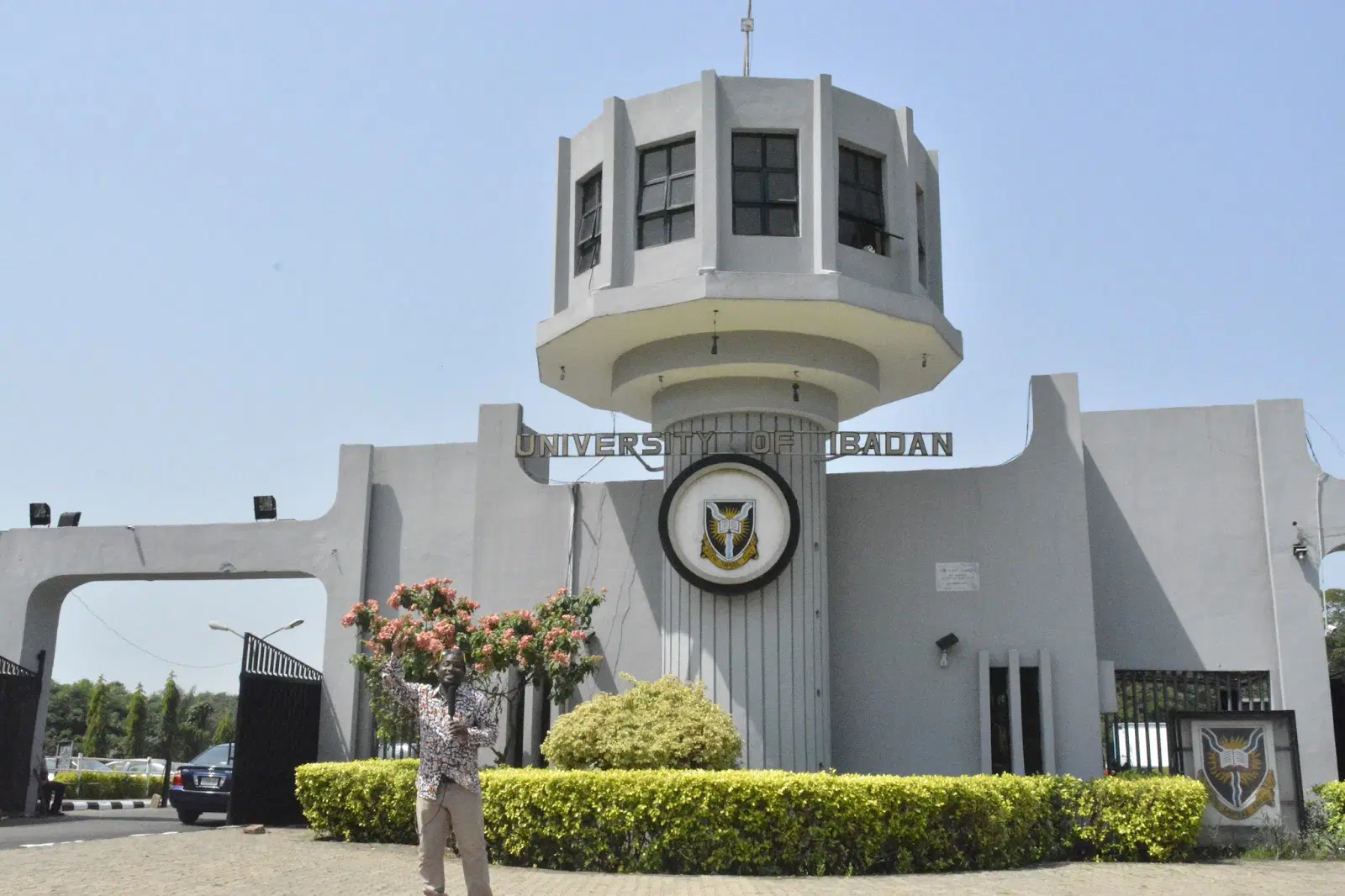
The Federal High Court sitting in Ibadan, Oyo State, has ordered the University of Ibadan (UI) to reinstate three students suspended over their participation in a protest against tuition fee hikes.....KINDLY READ THE FULL STORY HERE▶
-

 latest8 months ago
“Social Media Erupts As Jim Iyke Declares Rita Dominic Nollywood’s Most Beautiful”
-
 latest2 years ago
Edo Political Showdown: Oshiomhole Appears At Presidential Villa As Tinubu Hands APC Gubernatorial Flag To Okpebholo (Photos & Video)
-
 entertainment2 years ago
Love Knows No Age American Woman Defends Marriage To Young Nigerian Man “I’m Not 70”
-
 latest2 years ago
Olumide Akpata Strikes Again: Drops Killer Track, Sends Edo State Into Frenzy!(Video)
-
 Politics2 years ago
Nigerians React As Pastor Adeboye Foresees Passing Away On A Sunday After Enjoying A Satisfying Meal Of Pounded Yam
-
 latest2 years ago
FG Identifies 31 States At Risk Of Heavy Flooding In 2024: See Full List
-
 Politics2 years ago
BREAKING: Inspector-General Of Police Summons Top Police Commanders For Crucial-Security Challenges
-
 latest2 years ago
5 NYSC Corpers Perish In Fatal Road Accident Returning From Camp