
Health
Experts Call For Stricter Regulations On Carbonated And Alcoholic Drinks To Combat Kidney Diseases

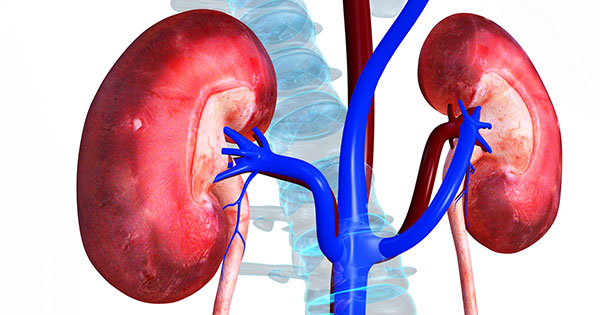
Experts Call For Stricter Regulations On Carbonated And Alcoholic Drinks To Combat Kidney Diseases....KINDLY READ THE FULL STORY HERE▶
In response to the rising cases of kidney failure in Nigeria, experts in the treatment of kidney diseases have advocated for stricter regulations on carbonated and alcoholic drinks. These experts emphasized the need for government intervention to regulate the production and sale of such beverages, which are often high in sugar and other chemicals detrimental to kidney health……..CONTINUE READING
During a rally organized by the Kidney Department of the Federal Medical Centre, Ebutte-Metta, as part of World Kidney Day, experts highlighted the risks associated with the consumption of carbonated and alcoholic drinks. They urged for measures such as bans on drinks with high sugar content, stricter labelling requirements, and public education campaigns to raise awareness about the dangers of kidney disease linked to these beverages.
Monisola Ogunleye, the Head of the Dialysis Unit at the hospital, stressed the importance of government action to prevent an increase in kidney disease cases. She likened the need for regulation of carbonated drinks to existing warnings against tobacco use, emphasizing the detrimental impact of such beverages, especially on young individuals.
Ogunleye further advised individuals to prioritize hydration by drinking ample water daily to preserve kidney health. Dehydration, she cautioned, can contribute to kidney damage, underscoring the significance of maintaining proper fluid intake.
Dr. Danladi Nmadu, a nephrologist at the hospital, echoed concerns about the neglect of kidney health and emphasized the importance of early detection and treatment. He highlighted lifestyle factors such as excessive salt and sugar intake, along with underlying conditions like diabetes and hypertension, as significant contributors to kidney disease.
The rally also included screenings for kidney disease, underscoring the hospital’s commitment to community outreach and education on kidney care. By raising awareness and promoting preventive measures, experts aim to curb the growing prevalence of kidney failure and improve public health outcomes.
Kidney disease poses a significant global health burden, with millions affected worldwide. The call for stricter regulations on harmful beverages and increased emphasis on preventive measures aligns with efforts to address this pressing public health challenge and mitigate its impact on individuals and communities.


In an interview with PREMIUM TIMES, Professor Oyewale Tomori, a renowned virologist and disease control expert, highlighted the critical role of early laboratory diagnosis in preventing infectious diseases from spiraling into epidemics in Nigeria. He emphasized that accurate and timely community reporting and surveillance are the foundations upon which effective diagnosis relies.....KINDLY READ THE FULL STORY HERE▶
Tomori explained that many infectious diseases, including viral and bacterial infections, exhibit similar symptoms, such as fever and body aches. Early detection is essential to preventing misdiagnosis and initiating a proper response. Without swift confirmation, diseases like yellow fever might be mistaken for malaria, leading to uncontrolled outbreaks. He pointed out that surveillance systems must be robust, with communities actively reporting cases as the first step in controlling disease spread.
When asked about the challenges faced in diagnosing diseases in Nigeria, Tomori addressed the issue of misallocated resources. He dismissed the idea that Nigeria is “resource-limited,” stating that resources are often wasted on unnecessary expenditures, such as lavish government processes, rather than prioritizing health and disease control. He called for a reordering of national priorities, advocating for better funding for disease surveillance and laboratory facilities.
Tomori also discussed how delays and incorrect diagnoses contribute significantly to the rapid spread of diseases. He cited the widespread misdiagnosis of typhoid as a prime example, noting that incorrect treatments often lead to ineffective responses and continued disease transmission.
On the role of technology, Tomori expressed optimism about the improvements in diagnostic methods, which have drastically reduced testing times. New advancements in genomics, he explained, have made laboratory tests more accurate and faster, significantly enhancing the ability to respond to outbreaks before they escalate.
Reflecting on successful cases, he pointed to the 2014 Ebola outbreak in Nigeria as an example of how early detection and swift isolation helped contain the disease. The country managed to stop the spread of Ebola, while West Africa, without timely intervention, saw a devastating epidemic.
To strengthen Nigeria’s diagnostic systems and prevent future epidemics, Tomori suggested establishing a well-coordinated national laboratory network. This would ensure that even the most remote areas of the country have access to proper diagnostic services and can effectively contribute to the early detection and control of infectious diseases.


The Emir of Dutse, Alhaji Muhammad Hamim Nuhu Sanusi, has reassured residents of Jigawa State that polio immunization is safe, firmly debunking long-held misconceptions suggesting the vaccine causes infertility.....KINDLY READ THE FULL STORY HERE▶
Speaking at the launch of a polio vaccination campaign in Jiba village, Dutse LGA—an area historically known for rejecting immunization—the monarch emphasized the importance of dispelling falsehoods surrounding the initiative. He stressed that the vaccine poses no harm and cited the example of his late father, Emir Muhammad Sanusi, who immunized his own children to build public trust.
He further explained that immunized women are often healthier and more capable of bearing children, contradicting widespread fertility myths.
Dr. Hassan Shuaibu Kwalam, Director of the Jigawa State Primary Healthcare Development Agency, highlighted the campaign’s goal to vaccinate two million children under five by month-end. He noted the urgency of boosting immunity amid lingering strains of the virus, despite Nigeria’s polio-free certification in 2013.
UNICEF’s representative, Dr. Lukman, also warned of recent resurgences, revealing that 18 new cases were reported in 2025 across nine states, including two in Jigawa. He emphasized the need to close vaccination gaps to prevent further outbreaks.

Despite the availability of anti-malaria medications and preventive measures, many Nigerians continue to suffer from recurring malaria attacks, raising concerns about the effectiveness of current treatments.....KINDLY READ THE FULL STORY HERE▶
In 2023, Nigeria accounted for a staggering 27% of global malaria-related deaths, underscoring the country’s ongoing battle with the disease. This alarming statistic highlights the persistent nature of malaria in Nigeria, despite efforts to combat it through the distribution of drugs and public health initiatives.
On this World Malaria Day, experts are focusing on why malaria remains so widespread, even as treatments and preventive measures are accessible. The issue of treatment resistance, the prevalence of fake anti-malaria drugs in circulation, and inadequate health infrastructure are some of the factors contributing to the crisis.
During a special episode of Nigeria Daily, experts discussed how the persistence of malaria challenges the country’s health system and called for stronger measures to ensure the effective treatment and eradication of the disease. The episode further examined the role of both the government and private sectors in tackling malaria and improving public health outcomes.
With malaria continuing to be a leading cause of morbidity and mortality in Nigeria, experts emphasized the importance of prioritizing comprehensive health strategies to address the root causes of the disease’s persistence.
-

 latest11 months ago
“Social Media Erupts As Jim Iyke Declares Rita Dominic Nollywood’s Most Beautiful”
-
 latest2 years ago
Edo Political Showdown: Oshiomhole Appears At Presidential Villa As Tinubu Hands APC Gubernatorial Flag To Okpebholo (Photos & Video)
-
 entertainment2 years ago
Love Knows No Age American Woman Defends Marriage To Young Nigerian Man “I’m Not 70”
-
 latest2 years ago
Olumide Akpata Strikes Again: Drops Killer Track, Sends Edo State Into Frenzy!(Video)
-
 Politics3 years ago
Nigerians React As Pastor Adeboye Foresees Passing Away On A Sunday After Enjoying A Satisfying Meal Of Pounded Yam
-
 latest2 years ago
FG Identifies 31 States At Risk Of Heavy Flooding In 2024: See Full List
-
 Politics3 years ago
BREAKING: Inspector-General Of Police Summons Top Police Commanders For Crucial-Security Challenges
-
 latest2 years ago
5 NYSC Corpers Perish In Fatal Road Accident Returning From Camp