
Politics
LP’s Zoning Dilemma In Edo: Will It Follow APC And PDP’s Lead?

LP’s Zoning Dilemma In Edo: Will It Follow APC And PDP’s Lead? ....KINDLY READ THE FULL STORY HERE▶
By Osigwe Omo-Ikirodah
In Nigeria’s electoral practice, zoning refers to the informal arrangement or understanding among political parties or stakeholders to rotate or allocate political positions based on geographical regions, ethnic groups, or other criteria…CONTINUE READING
It aims to ensure equitable distribution of political power among various regions or groups within the country. Zoning typically involves an agreement to take turns or allocate positions such as the presidency, governorships, or other key offices among different regions or ethnic groups to foster inclusivity, reduce political tensions, and promote national unity.
While the concept of zoning is often discussed and advocated for in Nigerian politics as a means to achieve equitable distribution of power among different regions or ethnic groups, its actual implementation has faced challenges. Despite calls for zoning, political parties and leaders often prioritize individual interests, power struggles, and party dynamics over the principle of zoning.
The forthcoming Edo Gubernatorial elections have revived discussions about zoning principles and the necessity for a fair distribution of power across the three geopolitical zones. Certain voices advocate for political parties to allocate the Governorship ticket to Edo Central, specifically the Esan district, emphasizing the need for their inclusion in governance after an extended period of alleged marginalization.
The LP, an emerging political force in the state, might find itself compelled to abandon zoning due to practical constraints. Beyond the fundamental reasons why zoning is unworkable:
Lack of Legal Backing: Zoning operates informally without legal reinforcement, making it vulnerable to manipulation by political actors.
Political Calculations: Parties prioritize winning and power consolidation, often favoring candidates based on popularity, influence, resources, and alliances rather than zoning principles.
Ethnoreligious Sentiments: Nigeria’s diverse ethnic and religious landscape often prompts groups to advocate for their preferred candidates, regardless of zoning agreements.
Internal Party Dynamics: Power struggles within parties often override zoning arrangements, as influential members push for their favored candidates.
Weak Party Structure: Nigerian political parties lack robust internal systems to uphold zoning agreements, enabling influential figures to manipulate the process.
Changing Political Landscapes: Shifts in public opinion, emerging issues, or sudden power shifts can prompt parties to disregard established zoning arrangements.
By enacting a zoning policy for the governorship ticket, the Labour Party—which is quickly becoming more and more well-known both nationally and in Edo State—runs the risk of losing credibility and power within the state.
For instance, in Edo State, if regions historically marginalized such as Owan and Akoko-Edo are identified, they should rightfully receive priority consideration due to their prolonged exclusion from significant federal appointments, political roles, and absence from occupying the Government House at Dennis Osadebe Avenue, either in the governorship or deputy positions.
Chief Tony Anenih, one of the most influential PDP leaders to have ever emerged in the nation, gave Edo Central enormous political appointments—so much so that they generated back-to-back A list ministers—as well as other high-ranking appointments, such as board appointees and others.
One disadvantage of zoning the governorship in Edo State is the potential limitation it imposes on the selection of the best-qualified candidate. When governance positions are zoned to specific regions within the state, it can overlook competent individuals from other regions who might possess superior leadership skills, experience, or innovative ideas.
This limitation based on geographical boundaries rather than meritocracy might result in the exclusion of highly capable leaders, potentially impacting the overall development and progress of the state.
It would be a misguided strategy for the LP to take a risk that might not be justifiable in the long run. Prioritizing zoning, which historically hasn’t been feasible in the state, could hinder the party’s ability not only to win elections (its primary objective in seeking power) but also to make a significant impact in the state.
The previous election in the state, like many across the country including the presidency, disregarded zoning and remained open to all qualified Nigerians, whether for the presidency or governorship.
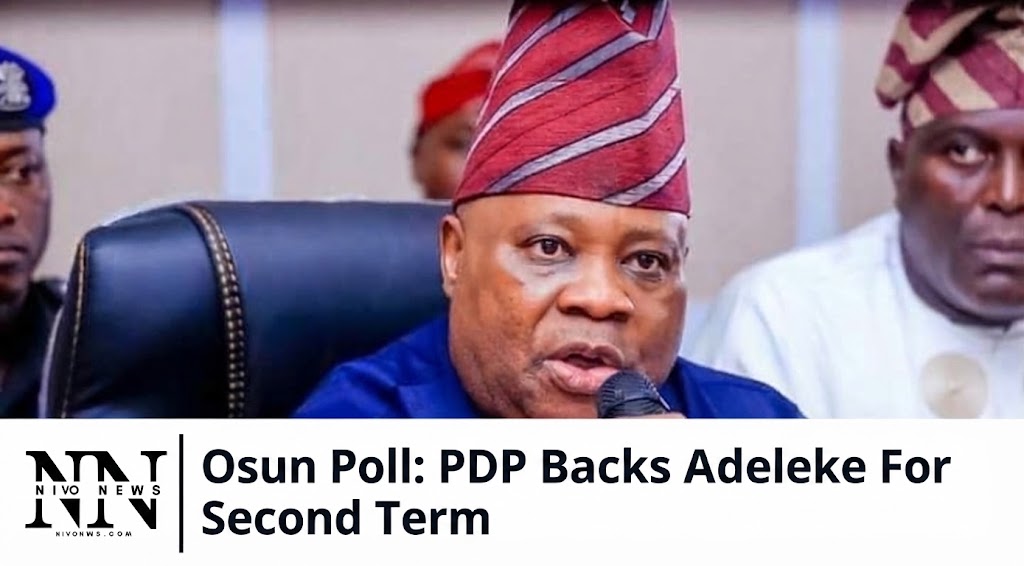
Despite a Court of Appeal judgment affirming Adebayo Olugbenga Adedamola as its legitimate candidate, the Peoples Democratic Party (PDP) has officially endorsed Osun State Governor, Ademola Adeleke, for a second term in the upcoming election.....KINDLY READ THE FULL STORY HERE▶
According to a statement released by Ini Ememobong, the National Publicity Secretary of the party’s Interim National Working Committee, the appellate court sitting in Abuja confirmed that the PDP properly conducted its governorship primary monitored by the Independent National Electoral Commission (INEC). The court also directed INEC to include the party’s logo on the ballot.
The panel noted that because the primary was lawfully monitored and the winner’s name submitted, there were no legal obstacles preventing the candidate’s participation. Furthermore, the court ruled that administrative hurdles, such as portal access codes for candidate uploads, cannot override statutory submission requirements.
Why the PDP Backs Adeleke
Faced with severe time constraints that left its court-affirmed candidate insufficient window to campaign, the Interim National Working Committee resolved not to yield to defeat. Following wide consultations with key stakeholders and considering Governor Adeleke’s historical ties to the party, the PDP decided to back him despite his current run on the platform of the Accord Party.
“To this end, faced with the unimaginable difficulty that this situation puts on us, the Interim National Working Committee has chosen not to throw its hands up in defeat,” the statement read. “We therefore ask all our members to vote for Governor Adeleke.”
Call to Action and Criticism of INEC
The party urged all members and supporters to turn out en masse, participate fully in the election, and ensure their votes are firmly protected.
At the same time, the PDP criticized INEC, accusing the electoral body of bias for failing to recognize its primary winner on time and creating administrative roadblocks that stalled effective campaigning. Reaffirming its commitment to democracy, the party called on voters and political stakeholders to reject violence and safeguard the electoral process, stating that genuine outcomes must reflect the unhindered will of the people.
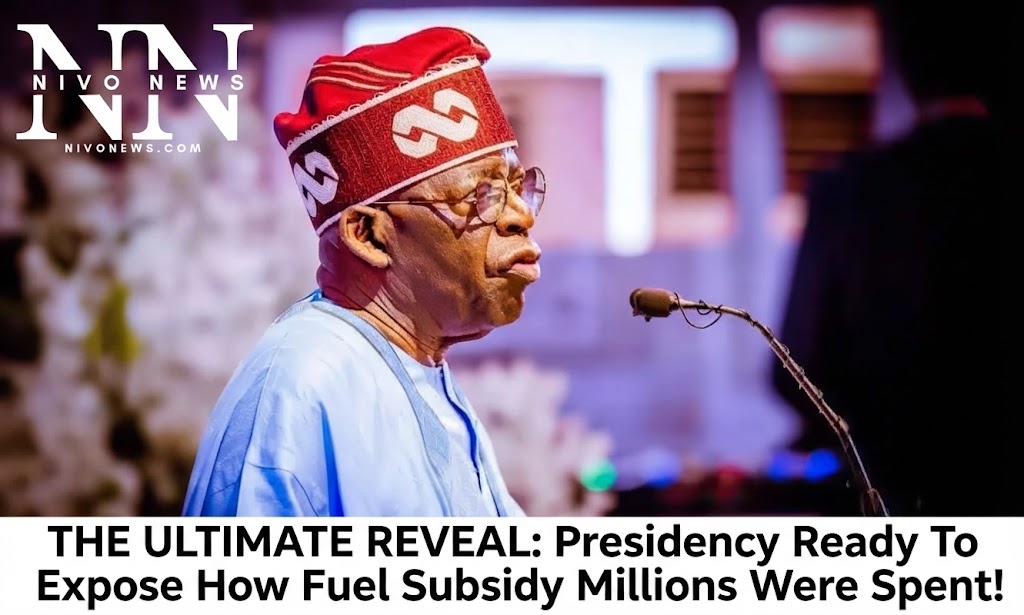
President Bola Tinubu announced that the Federal Government will soon release a detailed breakdown of how savings from the removal of the petrol subsidy have been utilized.....KINDLY READ THE FULL STORY HERE▶
-
-
Defense of Subsidy Removal: Meeting with the leadership of the Nigeria Union of Petroleum and Natural Gas Workers (NUPENG), Tinubu defended the policy, noting that it was necessary despite initial warnings of industrial action.
-
Economic Impact and Salaries: The President pushed back against claims that his economic policies lack benefits for ordinary citizens, pointing to regular salary payments across local, state, and federal government levels that support families and local market traders.
-
Infrastructure and CNG Appeal: Highlighting funding secured for major highway projects—including the Lagos-Ibadan, Abuja-Kaduna, Abuja-Kano, and Sokoto-Badagry roads—he also urged NUPENG members to ensure that the financial benefits of Compressed Natural Gas (CNG) are passed down directly to everyday commuters.
-
The Kogi State chapter of the Peoples Democratic Party (PDP) has kicked against the newly introduced campaign signage and promotional material fees set ahead of upcoming elections.....KINDLY READ THE FULL STORY HERE▶
-
-
Rejection of Excessive Fees: Kogi PDP Chairman Mohammed Gambo criticized the levies—ranging from ₦150 million for presidential aspirants down to ₦300,000 for councillorship candidates—as disproportionate, undemocratic, and overly burdensome for candidates with limited financial resources.
-
Expenditure Limit Concerns: The party argued that a ₦50 million signage fee for senatorial aspirants consumes ten percent of the statutory spending ceiling allowed under electoral guidelines, restricting broader campaign activities.
-
Constitutional Rights and Appeal: Raising concerns over levies extended to personal items like T-shirts, caps, and private vehicles, the PDP called for an immediate review and an inclusive dialogue with stakeholders through the Independent National Electoral Commission Portal framework and relevant state agencies to ensure a level playing field.
-
-

 latest12 months ago
“Social Media Erupts As Jim Iyke Declares Rita Dominic Nollywood’s Most Beautiful”
-
 latest2 years ago
Edo Political Showdown: Oshiomhole Appears At Presidential Villa As Tinubu Hands APC Gubernatorial Flag To Okpebholo (Photos & Video)
-
 entertainment2 years ago
Love Knows No Age American Woman Defends Marriage To Young Nigerian Man “I’m Not 70”
-
 latest2 years ago
Olumide Akpata Strikes Again: Drops Killer Track, Sends Edo State Into Frenzy!(Video)
-
 Politics3 years ago
Nigerians React As Pastor Adeboye Foresees Passing Away On A Sunday After Enjoying A Satisfying Meal Of Pounded Yam
-
 latest2 years ago
FG Identifies 31 States At Risk Of Heavy Flooding In 2024: See Full List
-
 Politics3 years ago
BREAKING: Inspector-General Of Police Summons Top Police Commanders For Crucial-Security Challenges
-
 latest2 years ago
5 NYSC Corpers Perish In Fatal Road Accident Returning From Camp