
latest
Nigerian First Lady Oluremi Tinubu And Governor Sanwo-Olu Encourage Nigerian Women To Unleash Their Potential For National Development

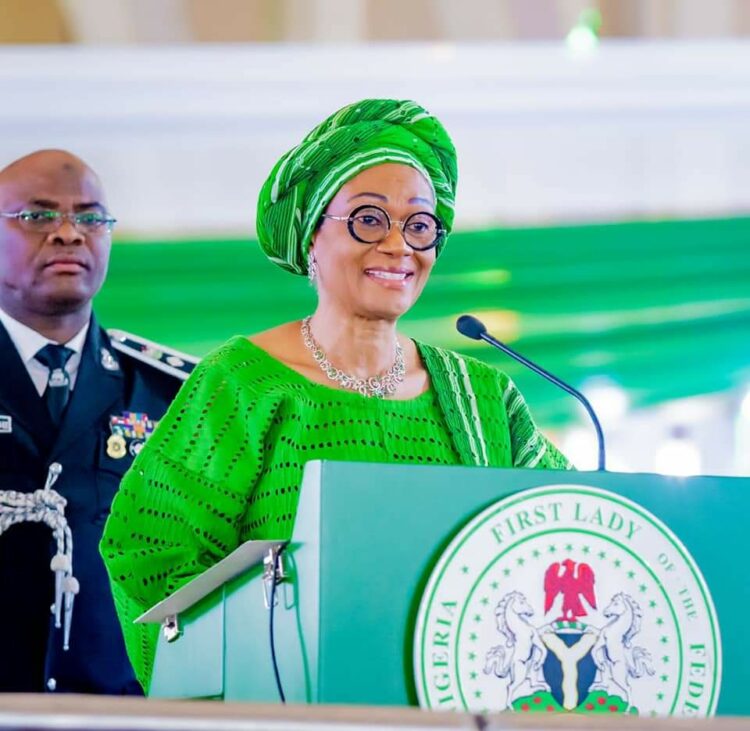
Nigerian First Lady Oluremi Tinubu And Governor Sanwo-Olu Encourage Nigerian Women To Unleash Their Potential For National Development....KINDLY READ THE FULL STORY HERE▶

During the ongoing 23rd National Women’s Conference 2023, themed ‘Unleash Your Potential,’ organized by the Committee of Wives of Lagos State Officials (COWLSO), Senator Oluremi Tinubu, the Wife of the President, and Lagos State Governor Babajide Sanwo-Olu, have jointly urged women in Nigeria to harness their capabilities for the rapid development of the nation.
Senator Oluremi Tinubu, the guest of honor at the event, emphasized the importance of women striving to build a nation where every woman can genuinely contribute to Nigeria’s prosperity and progress. She highlighted the inherent potential within women and their ability to reshape the nation when empowered.
Mrs. Tinubu also spoke about the strength found in diversity, stating that women possess the power to lead, innovate, care, and drive positive change. She encouraged breaking down barriers, challenging stereotypes, and fostering equal opportunities for all to fully unleash their potential.
Governor Sanwo-Olu expressed his gratitude to the past leaders of COWLSO for sustaining the conference for 23 consecutive years. He acknowledged Senator Oluremi Tinubu’s clear vision in creating a platform that unites women to discuss and develop ideas and solutions that can place them at the forefront of national development.
entertainment
COURTROOM CHAOS: Security Scramble As Enraged Mob Brutally Attacks Chidimma Adetshina Outside South African Courthouse!.
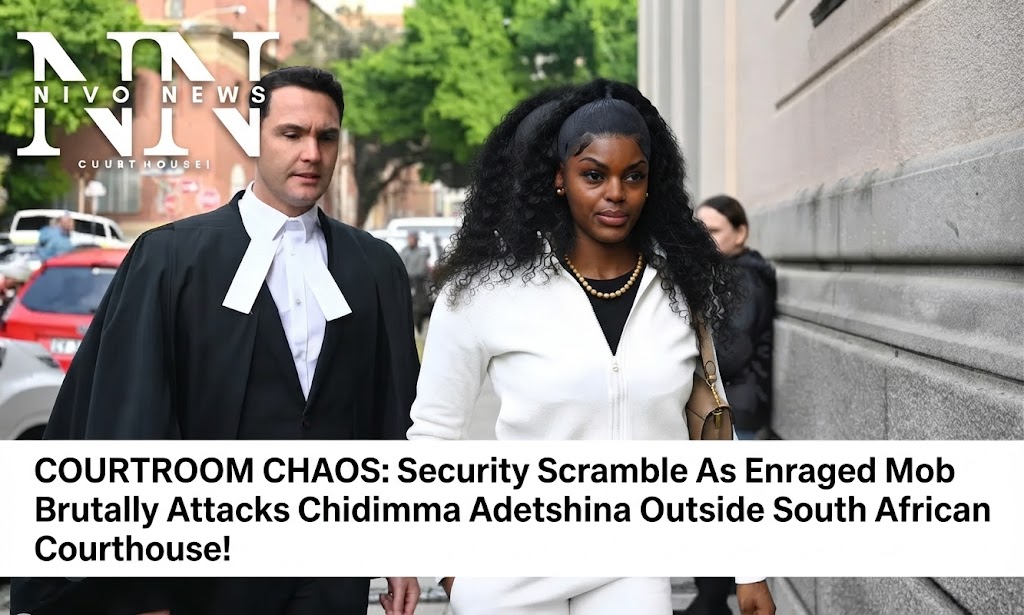
Security personnel had to step in following a hostile incident involving Miss Universe Nigeria 2024, Chidimma Adetshina, outside the Cape Town Regional Court in South Africa.....KINDLY READ THE FULL STORY HERE▶
-
-
Court Proceedings: Adetshina appeared in court for ongoing hearings related to a legal challenge brought by South Africa’s Department of Home Affairs, which alleges that she lacks valid immigration status.
-
The Incident: According to viral footage, the beauty queen was shoved and harassed by chanting onlookers as she exited the courthouse before security intervened to clear a path.
-
Legal Stance: Adetshina maintains that she was born in South Africa and is actively contesting the deportation attempts through legal channels.
-
latest
EL-RUFAI’S BATTLEGROUND: ADC Chieftain Demands Immediate Action From Northern Elders In Shocking Statement!.
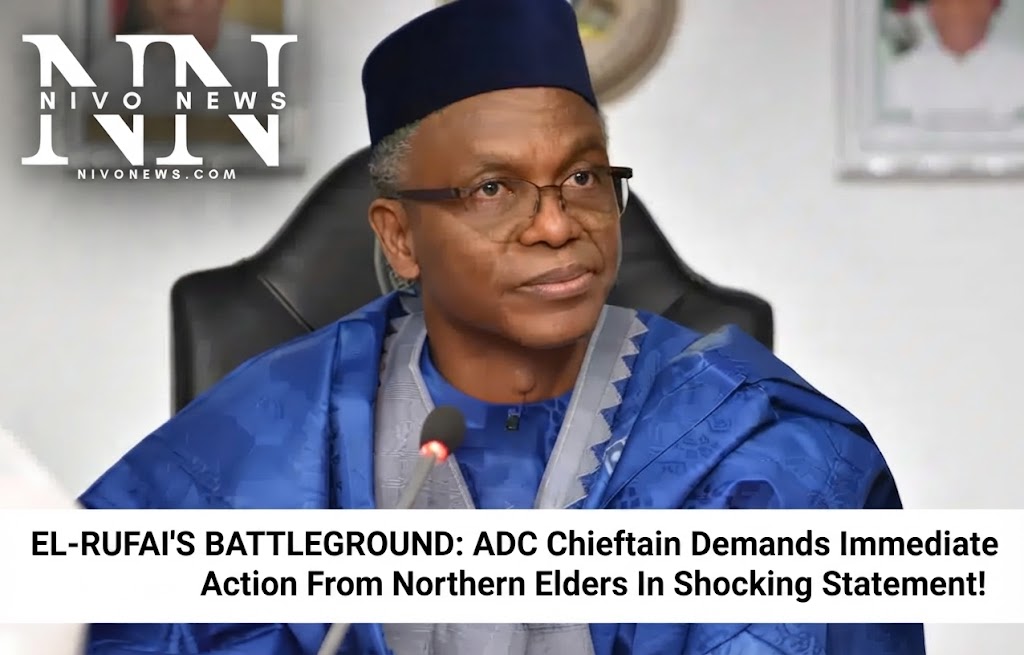
Former North-West National Vice Chairman of the African Democratic Congress (ADC), Jafar Ibrahim Sani, has called upon Northern elders and political leaders to advocate for strict adherence to due process regarding the legal situation facing former Kaduna State Governor Nasir El-Rufai.....KINDLY READ THE FULL STORY HERE▶
-
-
Call for Solidarity: In a statement titled “El-Rufai, The North, Our Elders and the Test of Loyalty,” Sani criticized political stakeholders who abandon their associates during times of adversity, emphasizing that true loyalty is tested when challenges arise.
-
Emphasis on Fairness: While acknowledging that opinions on El-Rufai’s public life vary, Sani maintained that personal or political disagreements should not compromise the pursuit of fairness and the rule of law.
-
Pursuit of Justice: He urged stakeholders to support a legal process that ensures transparency, noting that a fair trial should ultimately follow whatever outcome the courts lawfully determine.
-
latest
TACTICAL TAKEOVER: US Military Lands In Bauchi To Launch High-Stakes Drone Training For Nigerian Troops!.
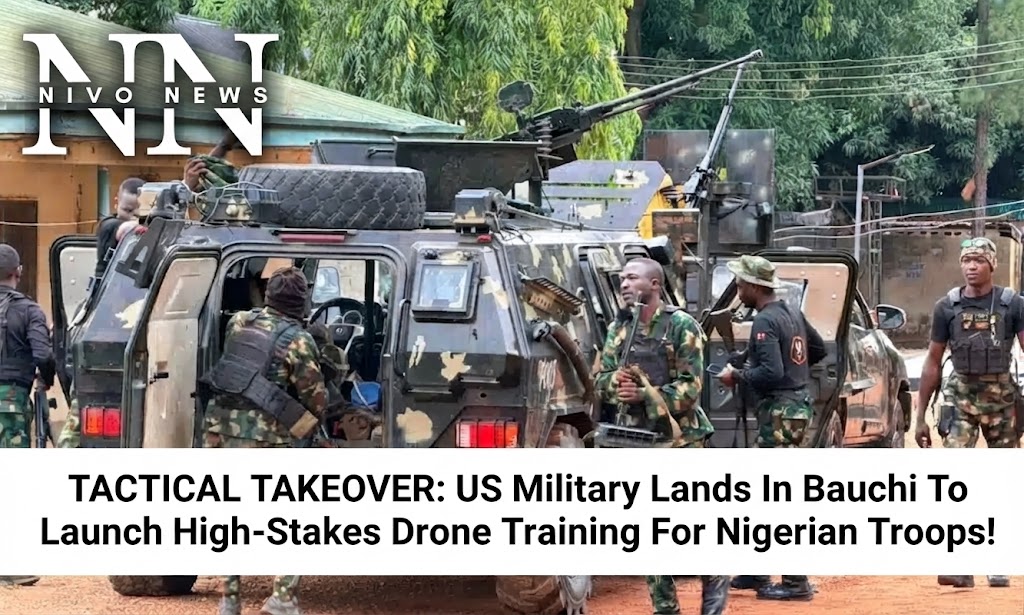
The United States Africa Command (AFRICOM) has announced a collaborative military training initiative with Nigerian forces in Bauchi State, designed to enhance security cooperation, combat readiness, and bilateral relations between the two nations.....KINDLY READ THE FULL STORY HERE▶
-
-
Scope of Training: According to an AFRICOM report, the program covers several key areas chosen by Nigerian leadership, including small-unit tactics, weapons familiarization, explosive ordnance disposal, water treatment and testing, camouflage techniques, and Combat Lifesaver/Tactical Combat Casualty Care instruction.
-
Unmanned Aircraft Systems (UAS): The drone training drew significant focus, with U.S. intelligence personnel guiding members of the Nigerian Air Force Special Forces Regiment through both instructional sessions and hands-on operational practice.
-
Strengthening Interoperability: Officials highlighted that the joint exercises extend beyond technical skill development, fostering vital working relationships and tactical cooperation at the foundational levels of both militaries.
-


-

 latest12 months ago
“Social Media Erupts As Jim Iyke Declares Rita Dominic Nollywood’s Most Beautiful”
-
 latest2 years ago
Edo Political Showdown: Oshiomhole Appears At Presidential Villa As Tinubu Hands APC Gubernatorial Flag To Okpebholo (Photos & Video)
-
 entertainment2 years ago
Love Knows No Age American Woman Defends Marriage To Young Nigerian Man “I’m Not 70”
-
 latest2 years ago
Olumide Akpata Strikes Again: Drops Killer Track, Sends Edo State Into Frenzy!(Video)
-
 Politics3 years ago
Nigerians React As Pastor Adeboye Foresees Passing Away On A Sunday After Enjoying A Satisfying Meal Of Pounded Yam
-
 latest2 years ago
FG Identifies 31 States At Risk Of Heavy Flooding In 2024: See Full List
-
 Politics3 years ago
BREAKING: Inspector-General Of Police Summons Top Police Commanders For Crucial-Security Challenges
-
 latest2 years ago
5 NYSC Corpers Perish In Fatal Road Accident Returning From Camp