
latest
2027: Sam Amadi Speaks On Peter Obi’s Political Style, Makes Surprising Observation.

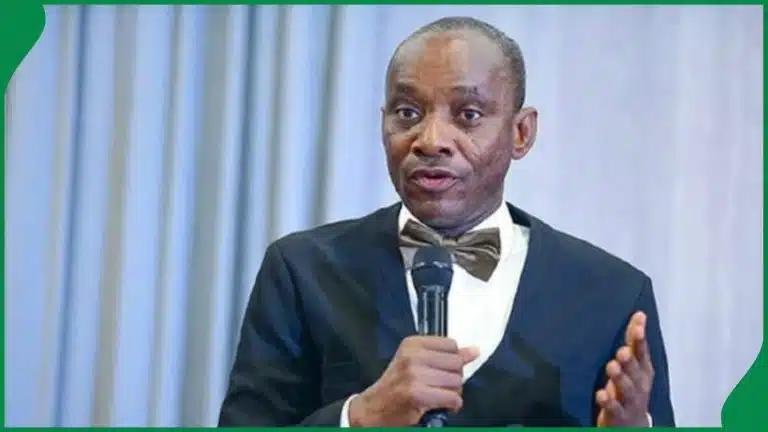
Political analyst Sam Amadi has described the presidential candidate of the Nigeria Democratic Congress (NDC), Peter Obi, as a politician whose approach differs significantly from Nigeria’s prevailing political culture, where political actors often expect financial incentives and other benefits from their associations.....KINDLY READ THE FULL STORY HERE▶
Amadi made the observation on Friday during an appearance on Arise Television’s Prime Time programme.
He characterised Obi as a minimalist politician who prefers a less elaborate approach to political engagement and would rather pursue a straightforward route to electoral success than adopt the extensive mobilisation strategies commonly associated with Nigerian politics.
According to the analyst, Obi may struggle to manage a conventional Nigerian political organisation because of his minimalist approach and reluctance to distribute money to political associates.
Amadi disclosed that some politicians who had left Obi’s camp approached him to explain their reasons for abandoning the former Anambra State governor.
He said their grievances were partly connected to expectations they had of Obi, which they claimed were not met.
The analyst argued that their complaints exposed a fundamental disconnect between Obi’s political philosophy and the expectations of politicians operating within Nigeria’s political environment.
The former Director-General of the Nigerian Electricity Regulatory Commission (NERC) maintained that Obi was aware of the challenges associated with managing the country’s conventional political structure.
He said: “Peter Obi represents a different kind of politician. Everything about him is often also exaggerated.
“Atiku ran for election with him as vice. The first thing he did after the election was to jump.
“First, Nigeria has a political market that’s unstable. Yes. Most of these guys who left, they’ve come to me, and I talk to them, and they bring issues of grievance. And I say to these guys, look, I’ve served as Senate president. I’ve served Jonathan. I disagree with these people, but it’s part of it.
“There’s a political career. These guys want to move on. Secondly, they also want to have some things Peter cannot offer. That’s a deep dissonance between Peter and Nigerian politics. People forget that. Yes, he doesn’t give money.
“So Peter is not capable; Peter cannot run a typical Nigerian political organization. He knows that.
“Again, Peter is a minimalist, but it’s business. He likes to, if he can, just sneak through this. He doesn’t have to open the whole place.”
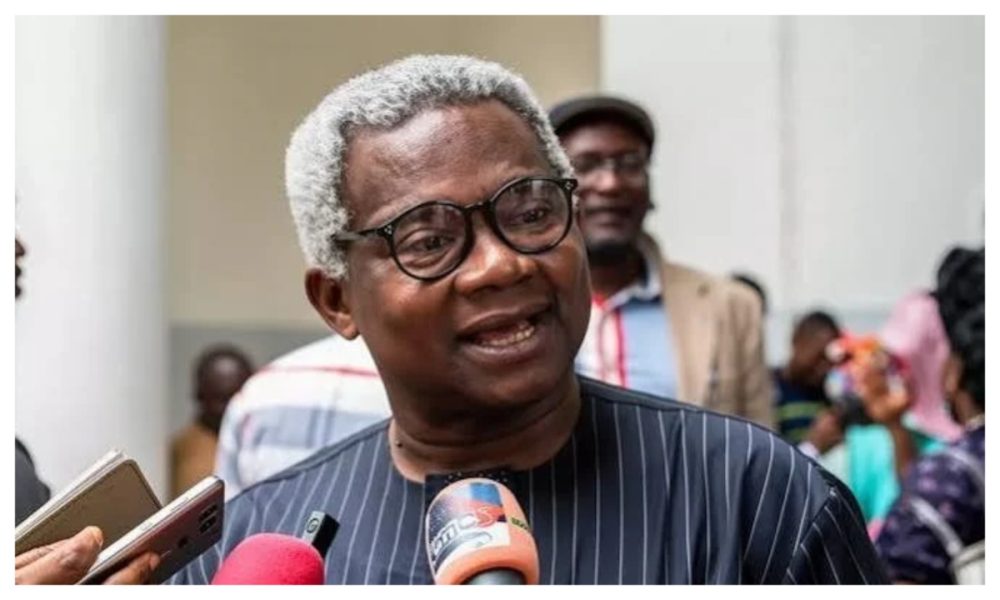
A founding member of the All Progressives Congress (APC), Osita Okechukwu, has identified what he described as the biggest political mistake made by African Democratic Congress (ADC)....KINDLY READ THE FULL STORY HERE▶
Okechukwu argued that Atiku’s biggest political error was allowing former President Olusegun Obasanjo to secure a second term in office.
Atiku, who served as Obasanjo’s deputy, had reportedly nursed a presidential ambition ahead of the 2003 general election but eventually abandoned the plan to allow the former president to seek re-election.
Speaking with journalists on Sunday, Okechukwu highlighted some of what he considered political missteps in Atiku’s quest to become Nigeria’s president.
He said, “Atiku’s third unforced political error appeared to mirror his first in 2003, when he hurried into a presidential ambition rather than exercising patience in the established political tradition of the Fulani I know, by allowing President Olusegun Obasanjo to complete his constitutionally permitted second term.
“The second unforced error was when His Excellency breached Section 7 of the PDP Constitution and the subsisting rotation convention between North and South in 2023.”
The APC chieftain maintained that the ongoing crisis within the ADC offered another lesson on the importance of patience and strategic political engagement.
He argued that effective political strategy goes beyond assembling a political team, stressing the importance of timing, respect for the rule of law, established conventions and conflict management.
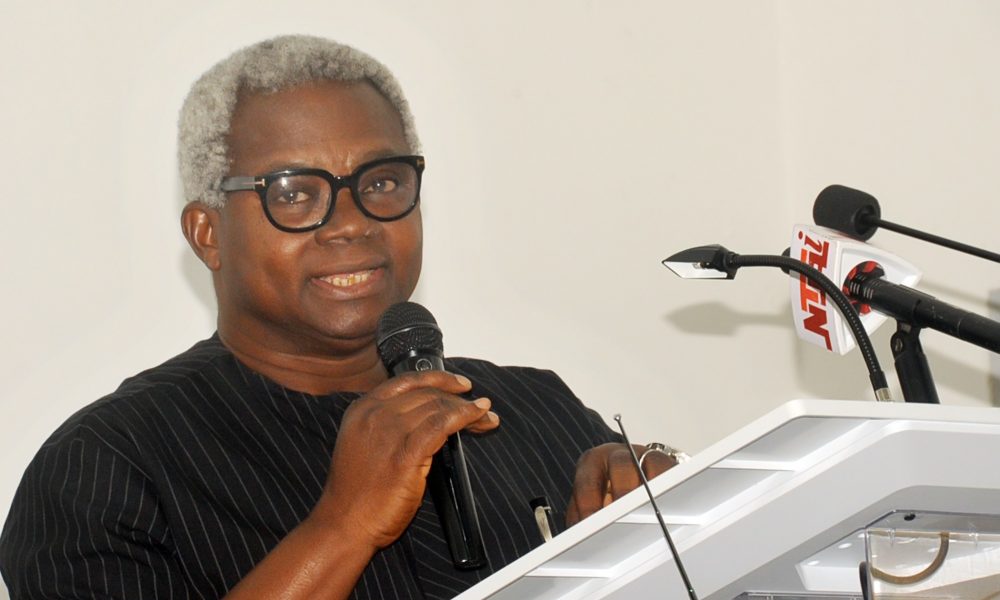
A chieftain of the All Progressives Congress (APC), Osita Okechukwu, has said the factional National Chairman of the African Democratic Congress (ADC), Nafiu Bala Gombe, has damaged the widely promoted image of the party’s presidential candidate, Atiku Abubakar, as a master political strategist.....KINDLY READ THE FULL STORY HERE▶
Okechukwu made the remark following revelations that Atiku had not contacted Bala amid the leadership crisis rocking the ADC.
Speaking with BBC Radio, Bala disclosed that despite the political crisis within the party, Atiku had never held a meeting with him.
“Atiku hasn’t contacted me even though he comes from my area. I went to court with just the constitution,” Bala said.
He added, “I said to everyone that if they had followed the correct steps, the court would have decided in their favour.
“But if we are correct, then we deserve our rights.”
Reacting to the development while addressing journalists on Sunday, Okechukwu argued that Bala’s revelation had undermined Atiku’s reputation as a skilled political strategist.
According to the APC chieftain, Atiku should have considered it important to privately engage Bala, particularly given their shared political background and family ties.
He said: “You would think that a politician who is always praised by his supporters as a skilled strategist would have seen it as very important to talk to Gombe privately, especially since they share the same local political background and family history.
“It seems strange that Atiku didn’t take such a simple political step, especially when the ADC crisis kept going on, which makes people wonder about the real skill of the so-called master strategist.”

Thousands of supporters took to the streets of Potiskum on Sunday as the campaign motorcade of the African Democratic Congress (ADC) presidential candidate, Atiku Abubakar, passed through the town, attracting a large crowd of men, women and youths.....KINDLY READ THE FULL STORY HERE▶
REPHRASE THIS……The Network of Civil Society Groups has announced plans to identify and publicly promote credible candidates across political parties ahead of the 2027 general elections, urging Nigerians to prioritise individual competence and integrity over party affiliation.
Advertisement
The group said the initiative would provide voters with information about contestants whose records, leadership qualities and policy proposals demonstrate commitment to democratic values, inclusive representation and public accountability.
In a press statement signed on behalf of the network by Emmanuel Olowu Aiyedun, titled “2027: Supporting Persons, Not Parties; Advancing Democratic Pluralism, Inclusive Representation and Accountability,” the organisation said it aims to encourage issue-based electoral choices, political diversity and effective representation at the federal, state and local government levels.
“The initiative is necessary as Nigerians continue to grapple with economic difficulties, rising living costs and challenges in accessing affordable food, reliable electricity, quality healthcare, education and employment opportunities.”
Recommended
() () ()
The organisation stated that citizens should evaluate political aspirants based on their personal records, integrity, competence, leadership experience, public conduct and proposed policies rather than their political parties.
It warned against blind political loyalty, noting that religious sentiments, ethnic affiliations, financial inducements and longstanding party attachment should not determine electoral decisions.
According to the statement, “While political parties remain important democratic institutions, party affiliation should not replace individual credibility, integrity, character, competence and a demonstrable record of public service.”
“We maintain that allowing candidates from different political parties and ideological backgrounds to participate in governance would strengthen democratic institutions, encourage constructive debates and promote checks and balances.”
As part of its planned activities, the organisation said it would organise civic education programmes, public engagements and discussions to enable voters to examine candidates’ backgrounds, policy proposals and commitments to public service.
It added that selected contestants from different political parties would be featured through candidate engagements, public interviews, policy discussions and media outreach to give Nigerians access to information about their leadership capacity and proposed contributions to governance.
The Network also called on political parties, aspirants, civil society organisations and the media to promote issue-based campaigns.
While urging Nigerians to reject vote-buying, ethnic divisions, religious manipulation and other forms of electoral inducement, it stressed the need for the 2027 elections to produce effective representation and accountable leadership responsive to citizens’ needs.
The Network of Civil Society Groups has unveiled plans to identify and publicly promote credible candidates across political parties ahead of the 2027 general elections, urging Nigerians to consider individual competence and integrity rather than party affiliation when choosing their leaders.
The organisation said the initiative would provide voters with information about candidates whose track records, leadership abilities and policy proposals reflect a commitment to democratic values, inclusive representation and public accountability.
In a press statement signed by Emmanuel Olowu Aiyedun on behalf of the network, titled “2027: Supporting Persons, Not Parties; Advancing Democratic Pluralism, Inclusive Representation and Accountability,” the group said the initiative was designed to promote issue-based voting, political diversity and effective representation at the federal, state and local government levels.
It noted that the initiative had become necessary as Nigerians continued to face economic challenges, rising living costs and difficulties accessing affordable food, reliable electricity, quality healthcare, education and employment opportunities.
The organisation urged citizens to assess political aspirants based on their personal records, integrity, competence, leadership experience, public conduct and proposed policies rather than the parties they represent.
It also cautioned against blind political loyalty, stressing that religious sentiments, ethnic affiliations, financial inducements and longstanding attachment to political parties should not influence electoral decisions.
“While political parties remain important democratic institutions, party affiliation should not replace individual credibility, integrity, character, competence and a demonstrable record of public service,” the statement read.
The network further argued that allowing candidates from different political parties and ideological backgrounds to participate in governance would strengthen democratic institutions, encourage constructive debates and promote checks and balances.
As part of its planned activities, the organisation said it would organise civic education programmes, public engagements and discussions to help voters examine candidates’ backgrounds, policy proposals and commitment to public service.
It added that selected candidates from different political parties would be featured through public engagements, interviews, policy discussions and media outreach to give Nigerians more information about their leadership capacity and proposed contributions to governance.
The Network also called on political parties, aspirants, civil society organisations and media outlets to promote issue-based campaigns ahead of the elections.
It urged Nigerians to reject vote-buying, ethnic divisions, religious manipulation and other forms of electoral inducement, emphasising the need for the 2027 elections to produce effective representation and accountable leadership that responds to citizens’ needs.
-

 latest1 year ago
“Social Media Erupts As Jim Iyke Declares Rita Dominic Nollywood’s Most Beautiful”
-
 latest3 years ago
Edo Political Showdown: Oshiomhole Appears At Presidential Villa As Tinubu Hands APC Gubernatorial Flag To Okpebholo (Photos & Video)
-
 entertainment3 years ago
Love Knows No Age American Woman Defends Marriage To Young Nigerian Man “I’m Not 70”
-
 latest3 years ago
Olumide Akpata Strikes Again: Drops Killer Track, Sends Edo State Into Frenzy!(Video)
-
 Politics3 years ago
Nigerians React As Pastor Adeboye Foresees Passing Away On A Sunday After Enjoying A Satisfying Meal Of Pounded Yam
-
 latest3 years ago
FG Identifies 31 States At Risk Of Heavy Flooding In 2024: See Full List
-
 Politics3 years ago
BREAKING: Inspector-General Of Police Summons Top Police Commanders For Crucial-Security Challenges
-
 latest3 years ago
5 NYSC Corpers Perish In Fatal Road Accident Returning From Camp