
latest
The Ultimate Cost of Power: Obasanjo Drops Bombshell On How Petrol Price Skyrocketed From ₦20 To Over ₦1,000.

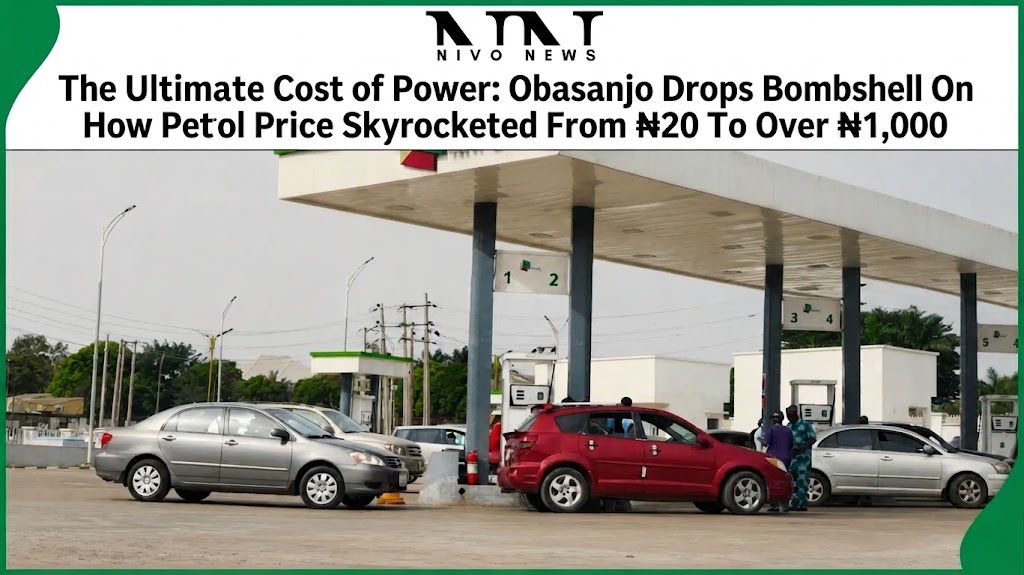
Since the dawn of the Fourth Republic in 1999, the price of Premium Motor Spirit, commonly known as petrol, has experienced a seismic shift in Nigeria. At the start of this democratic era, a litre cost roughly ₦20; over two decades later, that same litre has surged past the ₦1,000 mark, even eclipsing ₦1,500 in early 2026 before settling back slightly.....KINDLY READ THE FULL STORY HERE▶
Petrol pricing remains arguably the most politically charged economic issue in the country due to its immediate, ripple effect on transportation, food costs, electricity generation, and the overall cost of living. While successive governments have attempted to manage these costs through subsidy regimes and regulation, the market was radically altered in May 2023 when President Bola Tinubu removed the petrol subsidy. Unlike the previous era of uniform, government-mandated pump prices, Nigeria now operates under a market-driven system where prices fluctuate based on the supplier, the filling station, and geographic location.
Below is a chronological breakdown of how the price of a litre of petrol has evolved in Nigeria from 1999 to 2026.
The Early Democratic Years (1999–2007)
1999: The ₦20 Baseline Nigeria entered its Fourth Republic with petrol retailing for approximately ₦20 per litre. The outgoing military administration of General Abdulsalami Abubakar had initially hiked the price from ₦11 to ₦25 in December 1998, but fierce public resistance forced a downward review to ₦20 in January 1999. This was the price point inherited by President Olusegun Obasanjo when he took office on May 29, 1999.
2000: Protests and the ₦22 Benchmark The new century saw the first major conflict over fuel pricing. On June 1, 2000, the Obasanjo administration increased the price from ₦20 to ₦30 per litre. The move sparked immediate, widespread protests led by organized labor. After intense negotiations, the government bowed to pressure, reducing the price first to ₦25 and eventually settling on ₦22 per litre, which became the new benchmark.
2001: A Year of Stability Following the adjustments of the previous year, 2001 was marked by stability. The price held steady at approximately ₦22 per litre for almost the entire year.
2002: Incremental Hikes As part of a gradual strategy to reduce the enormous financial burden of subsidies, the Federal Government raised the petrol price from ₦22 to ₦26 per litre.
2003: Breaking the ₦40 Barrier Shortly after President Obasanjo began his second term, another upward review took the price of petrol from ₦26 to a range of ₦40–₦42 per litre. Historical accounts vary slightly on the precise benchmark, reflecting staggered adjustments and regional differences during this period.
2004: The ₦65 Milestone Government implemented further significant increases in 2004. The price first jumped to approximately ₦50 per litre before a subsequent adjustment pushed it to ₦65 per litre. This meant that within just five years of returning to democracy, the official pump price had more than tripled from the initial ₦20 in 1999.
2005–2006: Sustained Pricing Despite inflationary pressures, the official price of petrol held firm at around ₦65 per litre through much of 2005 and 2006. However, during periods of scarcity, actual market prices—particularly at roadside and black-market outlets—were often considerably higher.
2007: Yar’Adua’s First Reversal In a controversial final move just before leaving office in May 2007, the Obasanjo administration increased the price from ₦65 to ₦75 per litre. The decision triggered immediate backlash and protests. Upon assuming office, President Umaru Musa Yar’Adua swiftly reversed the increase, bringing the pump price back to ₦65 per litre. This was noted as the first major downward price review by a civilian administration in the Fourth Republic.
The Long ₦65 Plateau and the End of the Subsidy Illusion (2008–2015)
2008–2011: The Stable Benchmark Throughout the remainder of the Yar’Adua administration and the early years of the Goodluck Jonathan presidency, the official price remained anchored at ₦65 per litre. There were no major upward adjustments during this period. By 2011, however, the immense cost of the subsidy program was becoming unsustainable, and the Jonathan administration began laying the groundwork for a major overhaul of the system, a decision that would ignite the nation.
2012: The “Occupy Nigeria” Shock On New Year’s Day, 2012, the Jonathan administration announced the full removal of the petrol subsidy. The effect on the market was instantaneous and dramatic. The official pump price leaped from ₦65 to approximately ₦141 per litre. This triggered the massive, nationwide “Occupy Nigeria” protests, characterized by strikes and civil unrest. After weeks of intense pressure and negotiation with labor leaders, the government partially restored the subsidy, reducing the official benchmark price to ₦97 per litre.
2013–2014: A New Normal Following the 2012 crisis, the price remained officially fixed at approximately ₦97 per litre for the next two years. While motorists often paid significantly more during intermittent fuel shortages, the regulated pump price saw no major official adjustment during this period.
2015: Jonathan’s Election-Year Reduction With global crude oil prices collapsing, the Jonathan administration announced a downward review in January 2015. Petroleum Resources Minister Diezani Alison-Madueke declared that the price would drop from ₦97 to ₦87 per litre, effective January 19. This ₦87 price was subsequently inherited by President Muhammadu Buhari, who took office on May 29, 2015.
The Buhari Era: From ₦87 to Over ₦500 (2016–2023)
2016: Buhari Raises the Cap In May 2016, facing severe foreign exchange shortages that made it difficult for importers to source products, the Buhari administration announced another major price adjustment. The government increased the price from ₦87 to a maximum cap of approximately ₦145 per litre, signaling another shift towards full deregulation.
2017–2019: Three Years of Relative Calm The ₦145 benchmark remained the official price cap for the next three years. However, this period was not without disruption. Fuel shortages towards the end of 2017 created long queues and fueled black-market sales at exorbitant rates. Aside from these scarcity periods, motorists generally continued to purchase fuel at filling stations within the regulated ₦145 range.
2020: COVID-19 Volatility The global collapse of oil prices during the COVID-19 pandemic forced the Federal Government to make several price adjustments. In March, the price was reduced to approximately ₦125 per litre. Further downward reviews followed, taking the price to roughly ₦121.50–₦123.50. As crude prices began to recover later in the year, the price began to climb. By July, the benchmark had moved to around ₦140.80, followed by subsequent hikes in August and September. By the end of 2020, pump prices generally ranged between ₦160–₦165 per litre, depending on the marketer.
2021: The Subsidy Dilemma Lingers Despite ongoing debates about full deregulation and the staggering financial cost of the subsidy, the government continued to bear the burden. Petrol generally traded in the range of ₦162 to ₦165 per litre at major filling stations throughout the year.
2022: The Gap Widens While the official regulated benchmark remained near ₦165 per litre for most of 2022, persistent fuel scarcity meant that many Nigerians were forced to pay considerably more. The National Bureau of Statistics later reported that the average retail price actually paid by consumers in December 2022 was ₦206.19 per litre, highlighting the growing disparity between the official price and market reality.
Early 2023: The Pre-Removal Spike Even before the formal removal of the subsidy, ongoing fuel scarcity pushed the actual cost to consumers far above the official rate. The NBS recorded a national average retail price of ₦257.12 per litre in January 2023. Official prices at major outlets might have been lower, but supply gaps created substantial price variations across the country. This set the stage for the biggest change in Nigeria’s petrol pricing history in decades.
The Post-Subsidy Era (2023–2026)
May 2023: “Fuel Subsidy is Gone” During his inauguration on May 29, 2023, President Bola Tinubu declared that “fuel subsidy is gone.” The impact on the market was immediate and historic. Before the announcement, the official price at many major stations was between ₦184–₦195 per litre. Within days, NNPC stations adjusted their prices to over ₦500 per litre, with Abuja recording a high of approximately ₦537. This represented one of the single largest price jumps in the nation’s history.
July 2023: Crossing the ₦600 Mark By July, prices were adjusted again. NNPC increased its pump price in Abuja from roughly ₦537 to ₦617 per litre, with prices in Lagos and other cities reflecting similar market-based adjustments. NNPC attributed the hike to the new realities of a deregulated environment. By December 2023, the NBS confirmed the new reality, stating Nigerians paid an average of ₦671.86 per litre, compared to ₦206.19 in December 2022—a year-on-year increase of over 225%.
2024: Breaking the ₦1,000 Barrier Nigeria began 2024 with petrol already three times more expensive than it was before the subsidy removal. The NBS recorded a national average of ₦668.30 per litre in January. Prices continued their upward trajectory, driven by a weakening naira and higher import costs. The average climbed past ₦770 in July and ₦830 in August, followed by significant jumps in September and October. In October, NNPC raised its Lagos price to ₦998 per litre, while Abuja prices crossed the ₦1,000 mark, settling around ₦1,030. By December 2024, the NBS national average hit approximately ₦1,189.12 per litre, marking the first year the national average price remained firmly above ₦1,000.
2025: A New Market Reality The deregulated market saw both increases and decreases in 2025, though the nationwide average generally stayed above ₦1,000 per litre for most of the year. The average stood at approximately ₦1,037 in June, falling to ₦970 by September, before rising to ₦1,061 in November and closing the year at ₦1,048. The annual average for 2025 was approximately ₦1,104. However, competition from the Dangote Refinery began to show its potential, with some MRS stations supplied by Dangote selling petrol for as low as ₦739 per litre in December, drawing long queues. This illustrated the new reality: there is no longer necessarily one nationwide pump price.
Early 2026: Record Highs and a Dangote Ripple According to the NBS, the average retail price was ₦1,034.76 in January 2026, rising slightly to ₦1,051.47 in February. However, international market pressures and supply costs triggered a massive spike in March, sending the national average to approximately ₦1,288.54 per litre. Reuters reported that Nigerian prices had hit record highs despite increased domestic refining capacity. The upward trend accelerated in April, with the NBS recording a national average of approximately ₦1,532.93 per litre, an increase of almost ₦500 per litre from January. Prices peaked nationally in May 2026, hitting an average of ₦1,596.25 per litre.
June–September 2026: Prices Moderate Prices subsequently began to moderate as supply conditions stabilized and domestic refiners adjusted their selling prices. By June, the national average had fallen to roughly ₦1,300 per litre. In early August, the Dangote Refinery reduced its ex-depot price from ₦1,215 to ₦1,165 per litre, fueling further competition. By late August, NNPC stations in Lagos were selling around ₦1,205, while Abuja prices ranged from ₦1,210 to ₦1,300 at major outlets. By the end of August and into September, prices shifted slightly again as Dangote increased its gantry price to ₦1,200 per litre and NNPC outlets in Abuja adjusted their retail price to around ₦1,270 per litre.
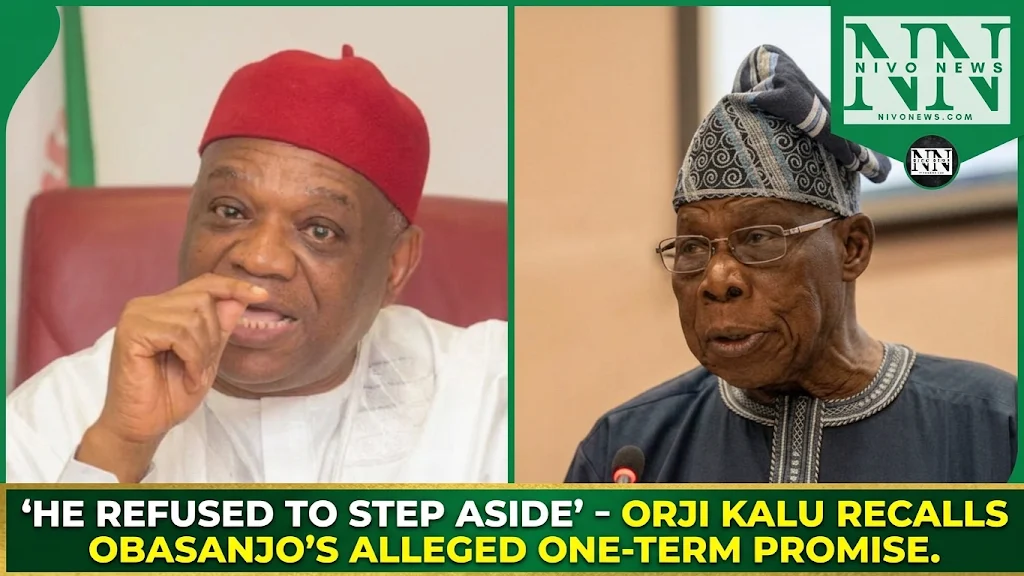
Former Abia State Governor, Orji Uzor Kalu, has revealed the circumstances that led to the breakdown of his relationship with former President Olusegun Obasanjo.....KINDLY READ THE FULL STORY HERE▶
Kalu said their disagreement stemmed from an alleged agreement that Obasanjo would serve only one term as president before handing over power to former military Head of State, General Ibrahim Babangida.
He explained that the understanding was reached among himself, Babangida and Obasanjo before the latter was supported to become Nigeria’s president.
Kalu made the disclosure during an appearance on Arise Television, where he spoke about his political relationship with the former president.
According to him, the arrangement was for Obasanjo to serve a single four-year term from 1999 to 2003 before transferring power to Babangida.
He said, “I had a very good relationship with President Obasanjo, and it went sour. And it didn’t go sour because I wanted what I wanted to have as a person. It’s because I wanted something for all of us Nigerians.
“Because most of the things we discussed, he didn’t do. We discussed that he would be president for four years. We discussed that he would only do four years and leave, and another person would take over. We helped him a lot when he came out of prison. We maintained our support to make sure that he succeeded.”
The former governor further explained that Obasanjo was expected to hand over power to another political bloc after completing his first term.
He noted that Obasanjo’s emergence as president in 1999 was partly aimed at addressing the political grievances of the South-West following the annulment of the June 12, 1993 presidential election and the death of its presumed winner, Chief MKO Abiola.
Kalu added that the arrangement was also expected to sustain the rotation of power, with the presidency eventually returning to the North.
However, he said he could not confirm reports that Babangida had considered making him vice president under the proposed political arrangement.
“Whether he had given IBB to make me vice president, I don’t know. Man, I never thought about that. But the one you’re certain about is what I was certain about,” he added.
Reflecting on the disagreement, Kalu said he was much younger at the time but had since grown older and become more conscious of the importance of honouring political agreements.
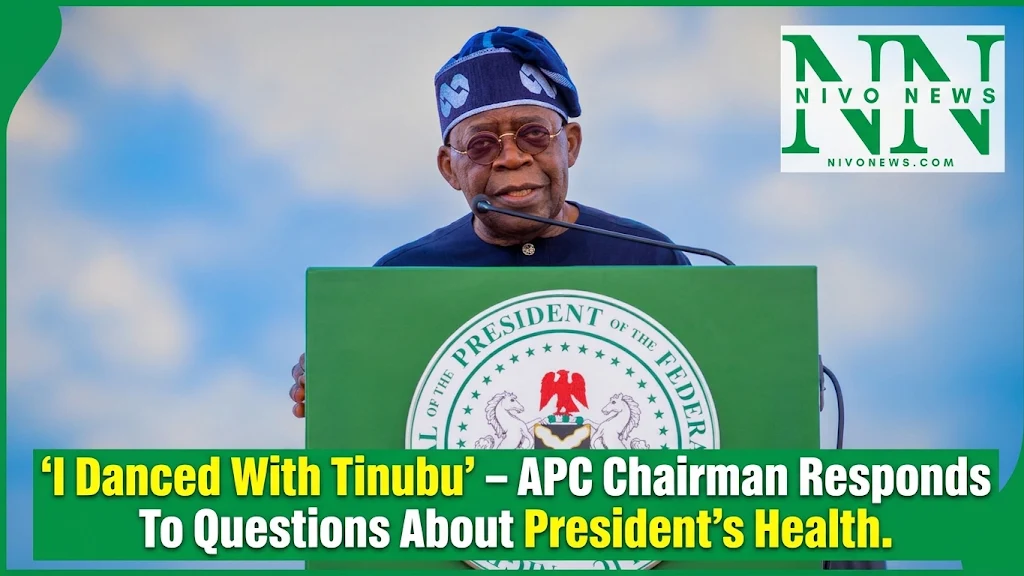
The National Chairman of the All Progressives Congress (APC), Nentawe Yilwatda, has urged Nigerians to support President Bola Tinubu’s re-election bid, insisting that the President is physically fit to continue leading the country.....KINDLY READ THE FULL STORY HERE▶
Yilwatda made the appeal on Monday night while appearing on Channels Television’s Politics Today.
He argued that Tinubu’s recent visits to Akwa Ibom and Rivers States on Friday demonstrated his physical fitness and ability to handle the demands of the presidency.
Speaking during the programme, Yilwatda said he personally witnessed the President dancing during his visit to Akwa Ibom.
“Did you watch him (Tinubu) dance in Akwa Ibom? I was there live and I danced with him, he danced to the music of the people,” he said.
The APC chairman maintained that Tinubu’s schedule during the visit showed that he was capable of handling demanding engagements.
“Tinubu is fit to go. He was in Akwa Ibom, he had a dinner, town hall meeting with the people that same Friday, he engaged the people late in the night after the dinner and the next morning he was in Rivers.
“And if someone is not fit, he will do 48 hours of non-stop engagements and trips at the same time? Bring another complaint,” Yilwatda added.
He also explained that the APC had arranged Tinubu’s campaign schedule in a way that would prevent governance from suffering.
According to him, the President would spend two days campaigning and three days attending to official duties, with visits to Jigawa and Jos also scheduled.
Yilwatda further disclosed that the Senate President and Speaker of the House of Representatives had advised against participating in every campaign activity to ensure that the National Assembly continued its work.
He said the party had equally staggered the activities of members of its National Working Committee to prevent its operations from being disrupted by the campaign.
The APC chairman questioned whether governance, the National Assembly and the party should be shut down simply because of the election campaign, describing such a suggestion as unreasonable.
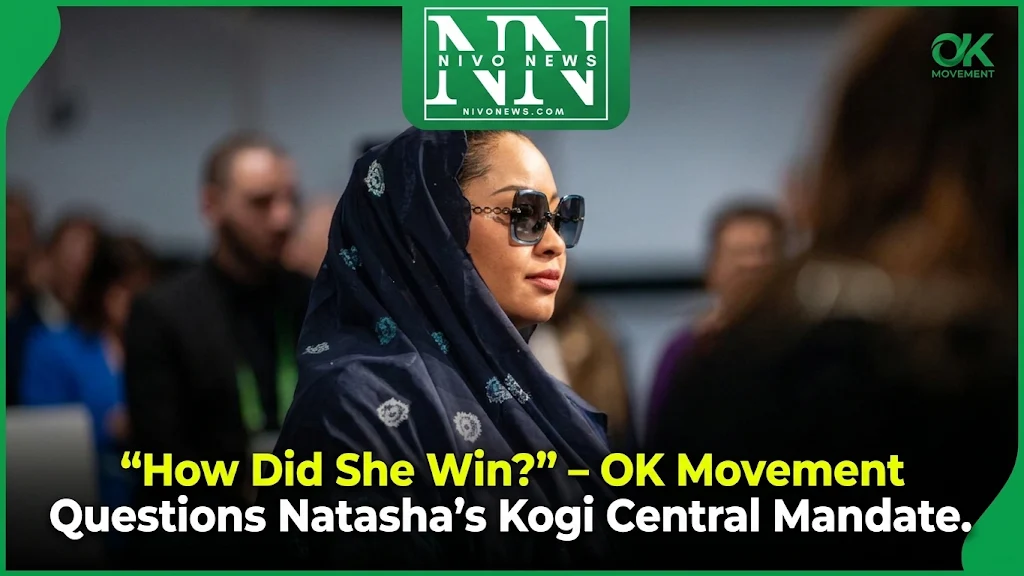
The Obi-Kwankwaso Movement has responded to Senator Natasha Akpoti-Uduaghan, representing Kogi Central, following her criticism of the group’s call for an investigation into her distribution of millions of naira to constituents.....KINDLY READ THE FULL STORY HERE▶
News reports that Akpoti-Uduaghan had criticised the Movement for urging the Economic and Financial Crimes Commission (EFCC) to investigate her cash empowerment programme, which she claimed was funded through a Federal Government budgetary allocation.
However, speaking in an interview with Punch, the Director-General of the Obi-Kwankwaso Movement, John Ughulu, said the senator’s response failed to address the concerns raised by the group.
Ughulu maintained that elected public officials needed continuous orientation on their constitutional duties, ethical responsibilities and accountability to the people.
He said the widely discussed cash distribution had raised concerns about the possible misuse of public office and the integrity of Nigeria’s electoral process.
According to him, if investigations establish that the money was distributed to influence voters ahead of an election, the action could amount to advance vote buying and should be examined under relevant electoral laws.
Ughulu stated:
“What Nigerians witnessed in the widely discussed money distribution incident raises serious questions about the abuse of public office and the integrity of our electoral process.
“If the circumstances establish that the money was distributed to influence voters ahead of an election, the matter could amount to advance vote buying and should be investigated under the relevant provisions of Nigerian electoral law.”
The movement’s director-general also challenged Akpoti-Uduaghan to clarify whether similar cash distributions formed part of her election campaigns, arguing that the circumstances surrounding her emergence as a senator also warranted scrutiny.
He said:
“The election that brought Senator Natasha into the National Assembly was decided by the people. Therefore, an important question must be asked: Was the same practice of distributing money to influence voters involved in securing her electoral victory?
“That question deserves a factual answer, not an emotional reaction.”
The group further rejected suggestions that its criticism was politically motivated, insisting that its position on electoral accountability applied to politicians across party lines, including candidates of the Nigeria Democratic Congress (NDC).
Ughulu stressed that the movement would not overlook alleged electoral misconduct involving individuals within its political camp while condemning similar actions by members of other parties.
He added:
“We cannot condemn alleged electoral malpractice under the present administration while appearing to tolerate similar conduct from individuals within our own political space. The same standards of integrity, transparency and accountability must apply to everyone.
“The OK Movement will not make exceptions for anyone. This applies equally to NDC candidates and candidates of every other political party. Anyone involved in electoral manipulation, vote buying, result falsification or any attempt to undermine the will of the electorate should expect lawful scrutiny and accountability.”
Ughulu also warned that the movement would explore legal options to demand accountability if the EFCC or other relevant agencies failed to investigate credible allegations.
-

 latest1 year ago
“Social Media Erupts As Jim Iyke Declares Rita Dominic Nollywood’s Most Beautiful”
-
 latest3 years ago
Edo Political Showdown: Oshiomhole Appears At Presidential Villa As Tinubu Hands APC Gubernatorial Flag To Okpebholo (Photos & Video)
-
 entertainment3 years ago
Love Knows No Age American Woman Defends Marriage To Young Nigerian Man “I’m Not 70”
-
 latest3 years ago
Olumide Akpata Strikes Again: Drops Killer Track, Sends Edo State Into Frenzy!(Video)
-
 Politics3 years ago
Nigerians React As Pastor Adeboye Foresees Passing Away On A Sunday After Enjoying A Satisfying Meal Of Pounded Yam
-
 latest3 years ago
FG Identifies 31 States At Risk Of Heavy Flooding In 2024: See Full List
-
 Politics3 years ago
BREAKING: Inspector-General Of Police Summons Top Police Commanders For Crucial-Security Challenges
-
 latest3 years ago
5 NYSC Corpers Perish In Fatal Road Accident Returning From Camp