Connect with us

latest

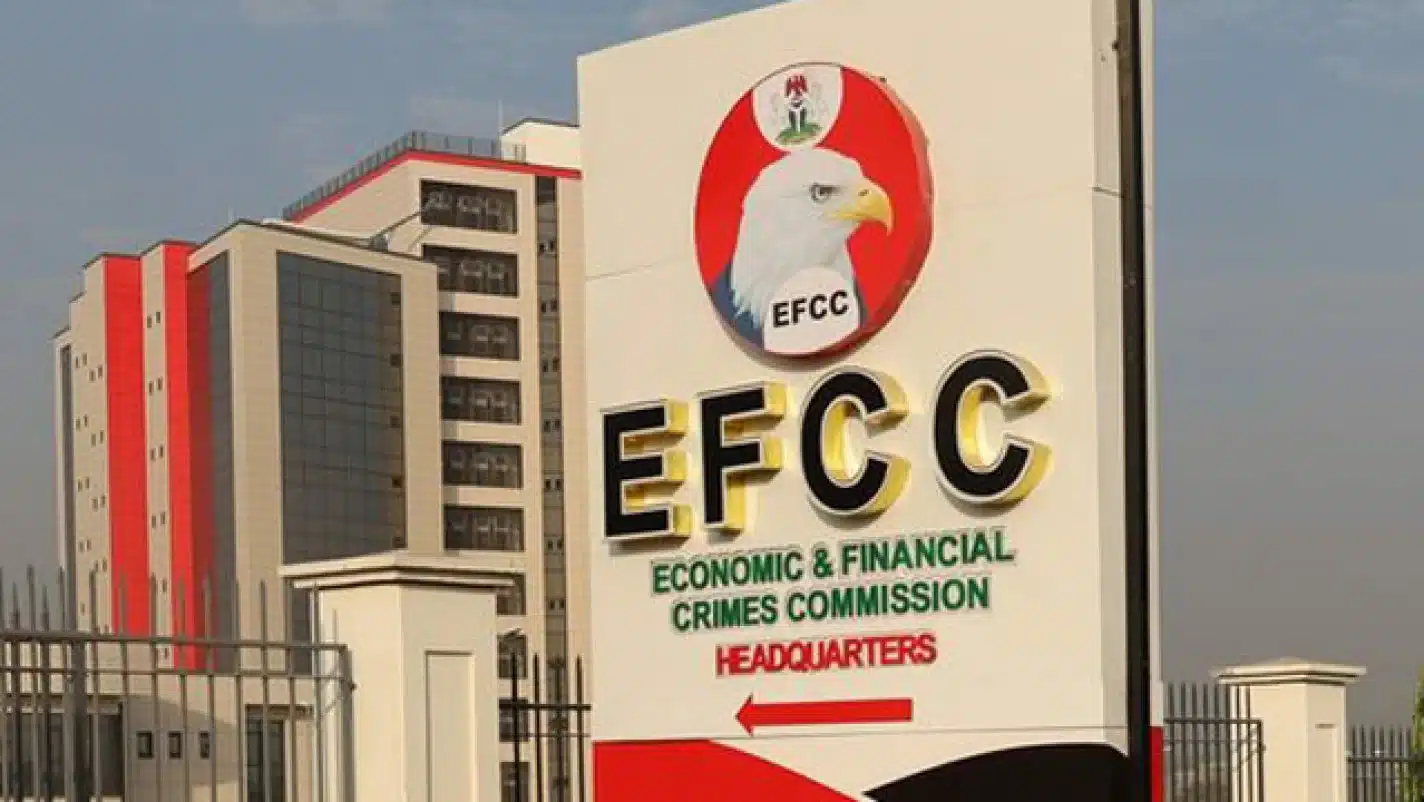
EFCC Targets Content Creators, Moves To Prosecute Use Of Its Name And Logo In Skits.

Published

on

The Economic and Financial Crimes Commission (EFCC) has cautioned content creators against using its name, logo, uniforms, or any form of its identity in media productions without obtaining official written permission, warning that offenders will be prosecuted.....KINDLY READ THE FULL STORY HERE▶

News reports that the commission issued the warning in a statement posted on its official handle on Saturday, noting that it has observed a rising trend of skit makers and online creators incorporating its brand identity into comedy and digital content.

The anti-graft agency expressed concern that many of these unauthorised skits misrepresent its operations, values, and procedures, stressing that it has not approved or endorsed any such usage.

According to the statement, the EFCC made it clear that its identity cannot be used for entertainment or promotional purposes without formal consent.

The commission further warned members of the public to stop using its name, logo, uniforms, or other identifying symbols in skits or content without prior approval.

It added that anyone who violates the directive risks legal action and prosecution.

Advertisement

latest

Financial Experts, Nigerians Kick Against CBN’s New ATM Card Charge Plan

Published

on

Economists and bank customers have expressed concerns over the Central Bank of Nigeria’s (CBN) proposal to raise the Automated Teller Machine (ATM) card issuance fee from ₦1,000 to ₦1,500.....KINDLY READ THE FULL STORY HERE▶
The development follows the apex bank’s release on April 21, 2026, of a 42-page exposure draft titled Guide to Charges by Banks and Other Financial Institutions.

According to the draft, the proposed changes include a 50 percent increase in ATM card issuance fees, the removal of maintenance charges on naira debit and credit cards, and a $10 annual fee for maintaining foreign currency-denominated cards.

The CBN also outlined other revised bank charges and invited input from stakeholders and the public, with a deadline of May 8, 2026.

The proposal has generated mixed reactions, with many Nigerians criticising the planned increase in ATM card fees, while some stakeholders welcomed the removal of maintenance charges on naira cards.

Speaking in an interview, President of the Bank Customers’ Association of Nigeria and financial analyst, Dr. Uju Ogunbunka, faulted the short timeline given for feedback, describing it as unrealistic and rushed.

He said the deadline does not provide enough time for meaningful review by stakeholders, noting that the period for consultation is too limited given the current economic environment.

Ogunbunka added that more time should have been allowed for proper evaluation, especially for industry operators who need to study the document thoroughly.

He stressed that the tight schedule could hinder effective participation in the consultation process.

Also reacting, Professor of Accounting and Finance at Lead City University, Godwin Oyedokun, warned that the proposed fee hike could increase financial pressure on Nigerians and affect financial inclusion efforts.

He noted that while regulators may justify the adjustment due to rising operational costs such as technology, security, and infrastructure, the impact on consumers remains significant.

According to him, banking customers already face multiple charges, and additional fees may worsen the financial burden on households, particularly low-income earners, students, and small business operators.

Oyedokun cautioned that higher costs could discourage some Nigerians from using formal banking channels, potentially undermining the country’s financial inclusion goals.

He, however, acknowledged that removing certain recurring charges could benefit customers in the long run if properly implemented.

The professor emphasised that beyond fee adjustments, banks must improve service delivery, transparency, and complaint resolution to justify any changes.

He also called for stronger consumer protection measures, warning that regulatory reforms should not focus solely on increasing charges.

Oyedokun concluded that banking services must remain accessible and affordable, stressing that trust and efficiency are key to sustaining financial inclusion in Nigeria.

Continue Reading

latest

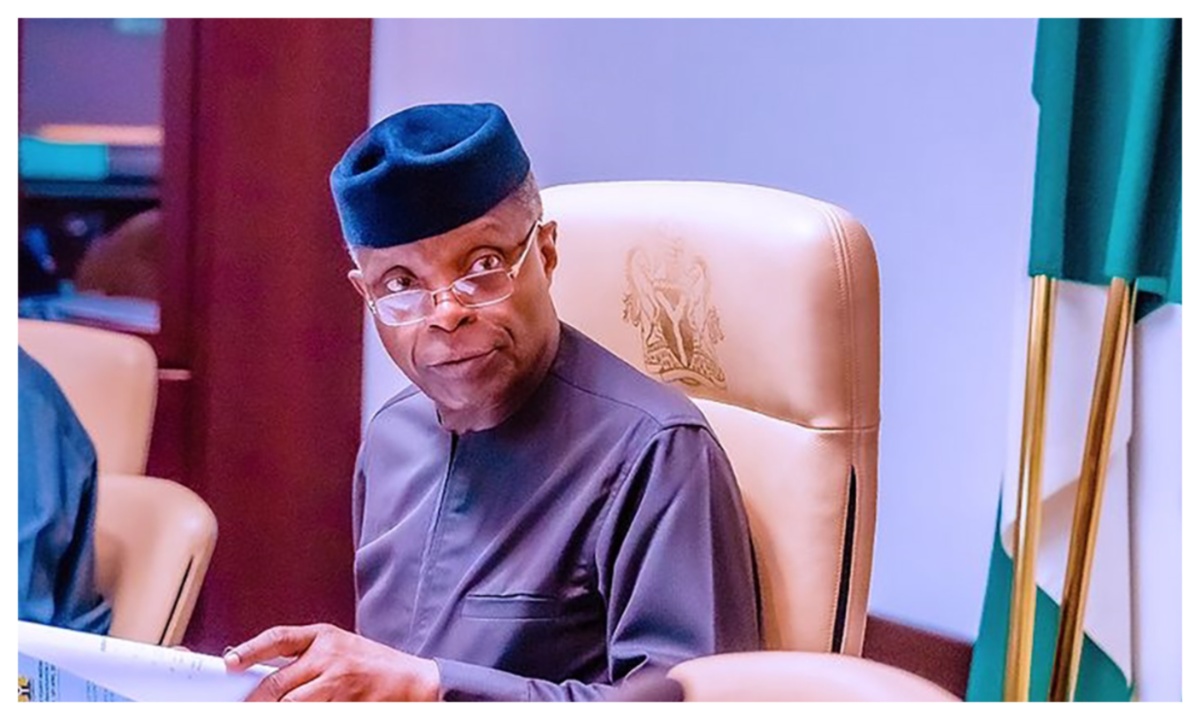
Why I Stopped Drinking Alcohol, By Osinbajo.

Published

on

Former Vice President Yemi Osinbajo has revealed the personal experience that led him to stop drinking alcohol many years ago.....KINDLY READ THE FULL STORY HERE▶
He said the decision came after an encounter with a former United Nations colleague at a restaurant in Mogadishu, Somalia.

Osinbajo explained that although he is a born-again Christian and a pastor, he used to occasionally consume alcohol, including beer and wine.

He recounted that during his time working with the UN, he often attended fellowship meetings and even preached, eventually being informally regarded as a pastor by colleagues.

According to him, the turning point came one Sunday after a fellowship meeting when he went to a restaurant within the UN compound to buy beer while planning to read his Bible.

He said he noticed colleagues from different countries drinking alcohol, but they began hiding their drinks when he entered.

Osinbajo added that when he questioned a Danish colleague, he was told they were avoiding drinking in his presence because they saw him as a “priest.”

He said the moment made him reflect deeply, noting that he felt it was inappropriate to continue drinking in such a situation.

He explained that the experience reminded him of the principle that while some actions may be permissible, not all are beneficial or edifying.

Osinbajo said that from that day onward, he made the decision to stop drinking alcohol completely, a choice he has maintained ever since.

Continue Reading

latest

Imo Government Bans Frequent Textbook Changes In Public And Private Schools.

Published

on

The Imo State Government, through its Ministry of Education for Primary and Secondary Schools, has prohibited the frequent change of textbooks in both public and private schools across the state.....KINDLY READ THE FULL STORY HERE▶

It also announced a ban on graduation ceremonies for certain class levels in all schools.

According to the Commissioner for Primary and Secondary Education, Prof. BTO Ikegwuoha, the policy is aimed at reducing the financial strain on parents and guardians amid prevailing economic challenges.

In a statement released to journalists, the Commissioner said the ministry has issued a strict directive to both public and private school operators to comply with the new regulations or face sanctions, including possible withdrawal of operating licences.

Under the new guidelines, graduation ceremonies are no longer permitted for Kindergarten, Nursery, and Junior Secondary School 3 (JSS3) students.

Only pupils in Primary 6 and students in Senior Secondary School 3 (SSS3) are allowed to hold graduation ceremonies, and even then, schools are prohibited from collecting levies for such events.

The ministry also barred students in Primary 1–5, JSS1–3, and SSS1–2 from being compelled to contribute money for farewell or graduation activities organised for other classes.

While Primary 6 and SSS3 students may organise personal or family-based celebrations, schools are not allowed to coordinate, supervise, or collect funds for such events.

Ikegwuoha further stated that the restriction on frequent textbook changes will remain in place until 2030, adding that schools must not force parents to purchase new editions annually for profit.

He explained that approved textbooks will remain in use for at least four years, with a new list of state-approved textbooks to be introduced in August 2026 and valid until August 2030.

The Commissioner warned that any school found violating the directive risks licence withdrawal and removal from the state’s approved school register.

Continue Reading

Trending

Copyright © 2023 NIVONEWS