
latest
“Democracy Under Siege: The Threat Within”.


Democracy is widely understood as an ongoing process of governance grounded in popular sovereignty, rather than a fixed state or a one-time event. This explains why even the United States—often regarded as a model of democracy after more than 200 years—faces challenges such as intense partisanship, declining trust in institutions, threats to the electoral process, a partisan Supreme Court, and a distrusted media.....KINDLY READ THE FULL STORY HERE▶
Similarly, some of the challenges facing Nigeria’s democratic journey—like what some describe as “state capture” by elites, authoritarian tendencies of executives with military backgrounds, a legislature dominated by inexperienced politicians, and political parties run more like military garrisons than democratic institutions—should not be seen as fatal threats to the country’s democracy.
Contrary to the claims of sore losers such as Atiku Abubakar, Peter Obi, Rotimi Amaechi, and collaborators like Pat Utomi, Omoyele Sowore, and Oby Ezekwesili, who attempt to frame Nigeria’s democratic difficulties as beginning with President Bola Tinubu’s administration, the reality is different. These self-proclaimed defenders of democracy echo earlier actors who, rather than accept electoral outcomes, resorted to undemocratic measures—like courting the military to seize power in 1966. For instance, some of Peter Obi’s supporters openly called for a military takeover after he placed third in an election, failing to meet the constitutional threshold.
Over the past three years, these so-called champions of democracy have focused on undermining state institutions: attacking the executive, legislature, and judiciary. Dele Farotimi, a prominent member of Obi’s supporters, traveled to the U.S. seeking foreign intervention against the inauguration of a freely elected president. When that failed, his group lobbied the U.S. Congress to discredit Nigeria’s president. Meanwhile, the legislature, acting within its mandate, became a target of calumny, and attempts were made to compromise the Supreme Court, the institution responsible for ensuring stability and upholding the rule of law.
Despite these challenges, there is no reason to despair over Nigeria’s democracy. From the eve of independence, when institutions were still forming, through decades of military rule and poorly prepared civilian administrations, Nigeria has made significant strides in democratic governance.
Today, calls for foreign intervention or cries of “war” by dissatisfied political actors hold little sway. Nigerians have a deeper understanding of democracy than in 1966. Those who have disrespected democratic norms—abandoning party rules, losing re-election bids, or migrating to unregistered parties—cannot suddenly claim the mantle of democracy defenders.
The strategy of “if we cannot have it, no one else must have it” has long been evident among seasonal political migrants. Peter Obi’s recent formal registration with ADC highlights this pattern, as supporters previously threatened the party to secure an automatic ticket for him, demonstrating a disregard for party rules and democratic norms.
Even debates around the Electoral Act and indirect primaries—intended to regulate internal party processes—have been misconstrued, echoing historical cases where party elites manipulated delegate votes, such as Obasanjo vs. Ekwueme in 1998 or Atiku vs. others in 2019 and 2023.
Comparisons with other democracies must be cautious. For instance, the U.S. Supreme Court has repeatedly shielded a leader accused of serious misconduct, and the Republican-controlled legislature has often supported undemocratic measures. In contrast, Nigeria’s institutions—presidency, legislature, judiciary, and free press—have ensured continuity, periodic elections, and accountability.
In conclusion, despite the attempts by self-styled warriors of democracy to undermine institutions, Nigeria’s democratic process has matured and strengthened over time. The country now boasts a system many nations might wish to emulate: periodic elections, an independent legislature and judiciary, and a free press.
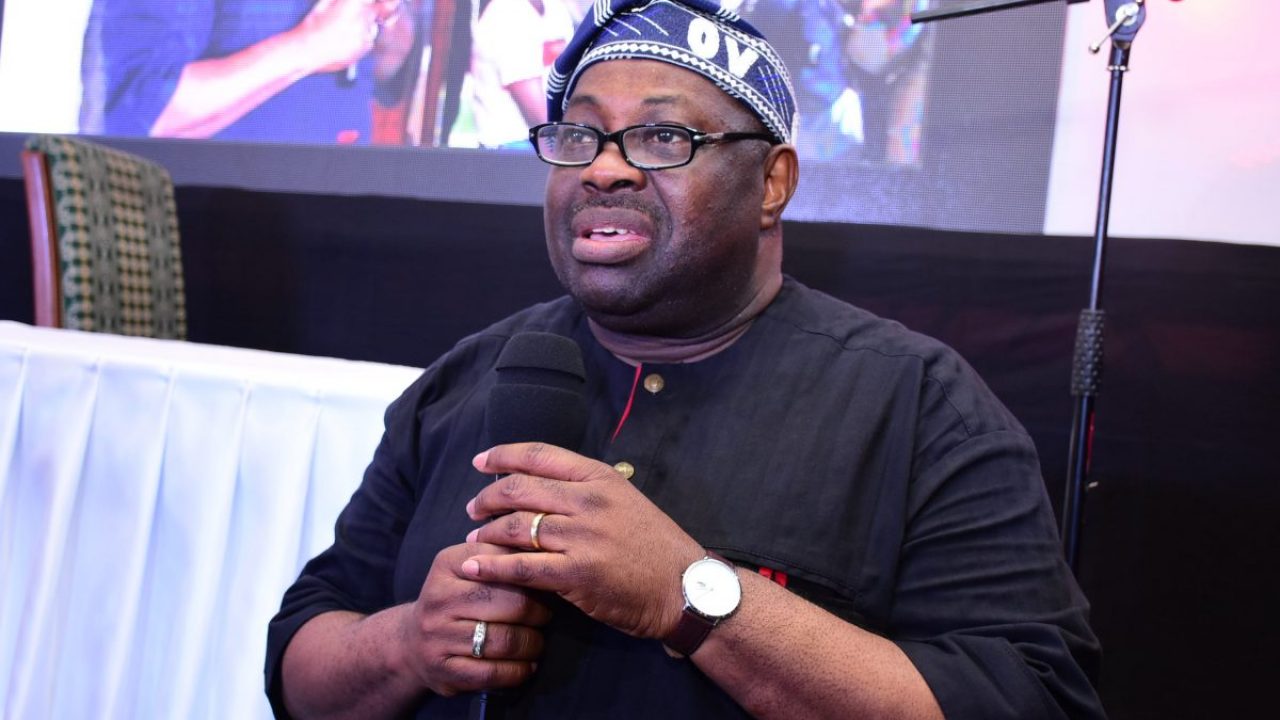
A chieftain of the African Democratic Congress (ADC), Dele Momodu, has dismissed a viral presidential campaign poster linking him as a running mate to Atiku Abubakar.....KINDLY READ THE FULL STORY HERE▶

Petrol prices have surged across Nigeria, with filling stations now selling fuel between N1,364 and N1,444 per litre, as rising global crude oil prices continue to pressure the domestic market.....KINDLY READ THE FULL STORY HERE▶
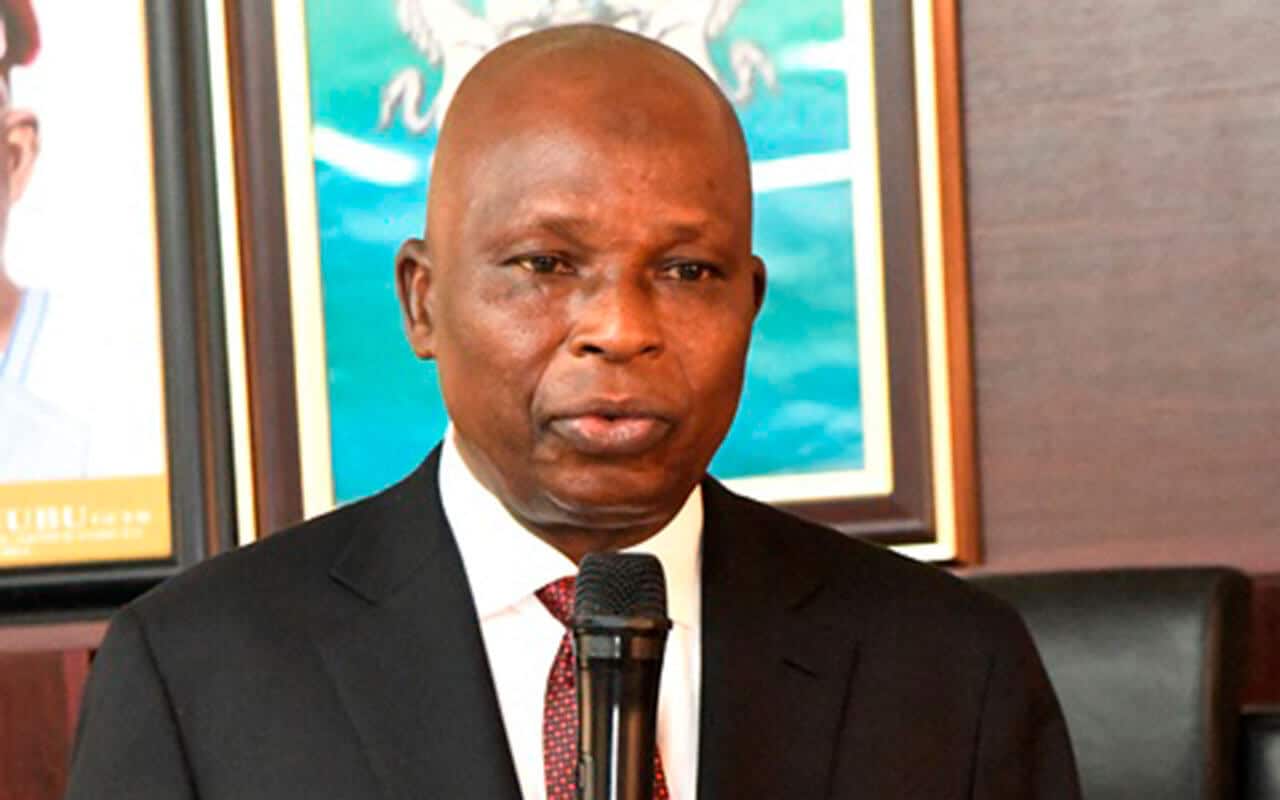
The Attorney-General of the Federation and Minister of Justice, Lateef Fagbemi (SAN), has called for the deregistration of several political parties, including the Action Alliance (AA), African Democratic Congress (ADC), Accord Party, Zenith Labour Party, and Action Peoples Party (APP).....KINDLY READ THE FULL STORY HERE▶
-

 latest8 months ago
“Social Media Erupts As Jim Iyke Declares Rita Dominic Nollywood’s Most Beautiful”
-
 latest2 years ago
Edo Political Showdown: Oshiomhole Appears At Presidential Villa As Tinubu Hands APC Gubernatorial Flag To Okpebholo (Photos & Video)
-
 entertainment2 years ago
Love Knows No Age American Woman Defends Marriage To Young Nigerian Man “I’m Not 70”
-
 latest2 years ago
Olumide Akpata Strikes Again: Drops Killer Track, Sends Edo State Into Frenzy!(Video)
-
 Politics2 years ago
Nigerians React As Pastor Adeboye Foresees Passing Away On A Sunday After Enjoying A Satisfying Meal Of Pounded Yam
-
 latest2 years ago
FG Identifies 31 States At Risk Of Heavy Flooding In 2024: See Full List
-
 Politics2 years ago
BREAKING: Inspector-General Of Police Summons Top Police Commanders For Crucial-Security Challenges
-
 latest2 years ago
5 NYSC Corpers Perish In Fatal Road Accident Returning From Camp