
latest
Sowore Slams Soludo: “Shutting Markets Won’t Work Until Justice Is Served”.

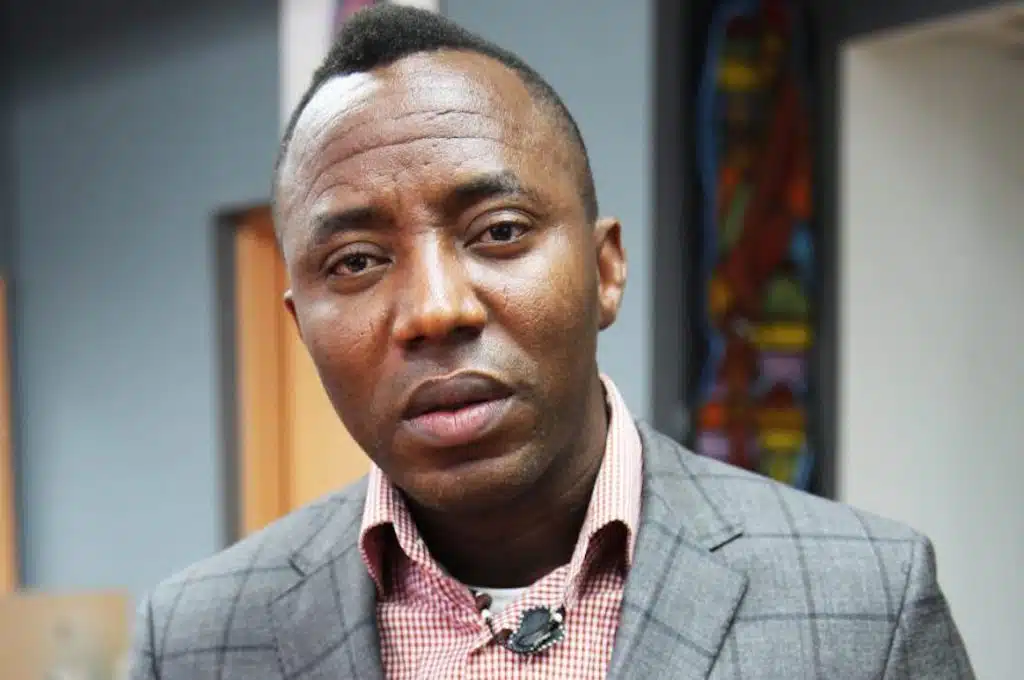
Former presidential candidate Omoyele Sowore has criticized Anambra Governor Chukwuma Soludo’s recent closure of Onitsha market, describing the move as ineffective in addressing ongoing political tensions.....KINDLY READ THE FULL STORY HERE▶
latest
ARMED WITH LIES: How 2027 Politicians Turned Fake News Into Their Ultimate Political Weapon!.
-
As Nigeria approaches the 2027 general elections, political actors are already actively weaponizing fake news and misinformation across social media, WhatsApp groups, and anonymous online spaces.....KINDLY READ THE FULL STORY HERE▶
-
-
Veteran journalist Lekan Otufodunrin notes that while fake news may not completely determine overall election results, it will heavily influence vulnerable, undiscerning voters who readily believe negative claims about politicians they dislike.
-
Artificial intelligence and the viral “WhatsApp forwarding culture” amplify the threat, making doctored videos, audio, and fake results harder to spot and leaving many citizens confused about what to believe.
Key Concerns & Vulnerabilities
-
Rise of AI and Fabricated Content: AI tools are making manipulated content increasingly convincing, eroding the reliability of traditional trust markers like “seeing is believing.”
-
Exploitation by Camp Aides: Political media aides and online supporters are already deployed to publish false analyses and attack opponents using fake identities.
-
Danger of Fake Results: Premature or fake election results pose a severe threat, potentially triggering violence, protests, or widespread distrust when official figures are released by INEC.
Solutions and Recommendations
-
Media Professionalism: Journalists must prioritize accuracy over speed, double down on fact-checking skills, and adhere strictly to the rule: “When in doubt, you leave it out.”
-
Combating Cash-and-Carry Blogs: Unverified influencers and bloggers must adopt better ethics and fact-checking practices rather than spreading unverified narratives for traffic or profit.
-
Collaborative Defense: Safeguarding the 2027 polls requires a collective effort among INEC, tech platforms, civil society groups, security agencies, and media practitioners to curb misinformation and protect public trust.
Expert Quote: “As a collective, we all owe it a responsibility to ensure that we prevent misinformation… Trust is very, very important. It’s sacrosanct for journalism.” — Lekan Otufodunrin
-
latest
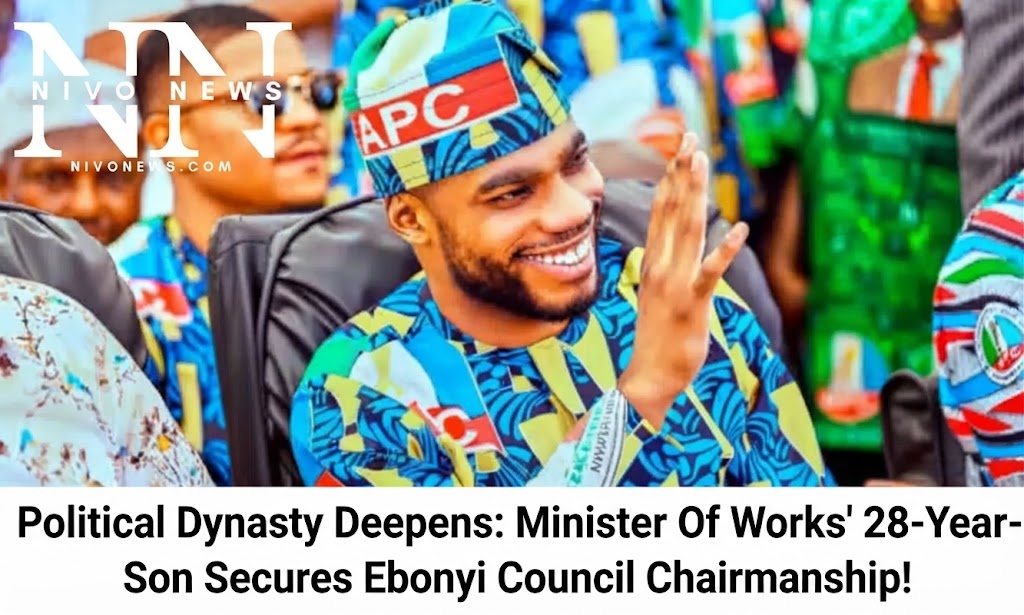
“Political Dynasty Deepens: Minister Of Works’ 28-Year-Old Son Secures Ebonyi Council Chairmanship!”.
-
Youth-Led Governance: At 28, Osborn Nweze Umahi has taken office as the Chairman of Ohaozara Local Government Area in Ebonyi State, positioning himself as part of a new generation bringing fresh energy to public administration.....KINDLY READ THE FULL STORY HERE▶
-
-
Private-Sector Approach: During his campaign under the All Progressives Congress (APC), he pledged to introduce private-sector principles—focusing on efficiency, transparency, and innovation—to local governance.
Key Policy Commitments
-
Salary Forfeiture: In a rare move shortly after his victory was announced, Umahi declared that he would forgo his official salary and allowances for the duration of his tenure to ensure more municipal funds are directed straight into community projects.
-
Core Priorities: His administration aims to center its efforts on critical areas, including infrastructure development, youth empowerment, job creation, and the enhancement of basic social and economic services.
Note: Umahi’s campaign consistently emphasized that local governments must take a more proactive role in tackling everyday grassroots challenges and improving the economic well-being of residents.
-
latest
“CASH VS. BALLOTS: Do Mega Campaign Budgets Really Guarantee Victory In Nigeria’s High-Stakes 2027 Elections?”.
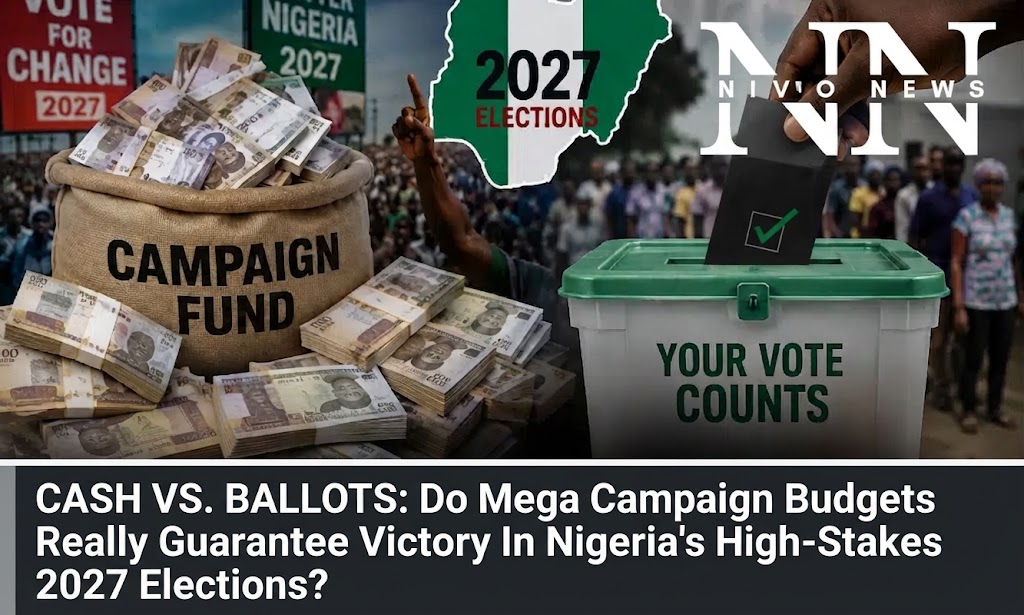
With the 2027 general elections fast approaching, political momentum is building across Nigeria. Parties and candidates have kicked off aggressive campaigns, but the race is already being defined by two major controversies: astronomical outdoor advertising fees and the ongoing debate over whether massive spending actually wins elections.....KINDLY READ THE FULL STORY HERE▶
The recently concluded governorship election in Osun State has set the tone for 2027. Despite a high-stakes, two-horse race between incumbent Governor Ademola Adeleke (Accord Party) and Bola Oyebamiji (APC)—backed by heavy national mobilization and deep pockets from the APC—money alone didn’t secure the win.
-
The Results: Adeleke emerged victorious with 511,067 votes across 19 local governments, defeating Oyebamiji, who polled 444,815 votes across 11 local governments.
-
The Takeaway: Analysts are questioning whether astronomical campaign spending actually moves the needle, or if factors like incumbency and local popularity carry more weight.
2. Pushback Over Exorbitant Campaign Signage Fees
Political parties across several states are fiercely rejecting newly introduced outdoor advertising rates imposed by state signage agencies ahead of 2027:
-
Abia State: The ADC slammed the agency’s rates—₦200 million for presidential candidates and ₦150 million for governorship hopefuls—warning they violate Electoral Act spending limits and suffocate the opposition. AAC presidential candidate Omoyele Sowore blasted Governor Alex Otti over the directive.
-
Cross River State: CRISSAA defended its tariffs (ranging from ₦150 million for presidential candidates down to ₦5 million for state assembly bids), claiming they are moderate and designed to curb insults and regulate public space fairly.
-
Kogi State: The PDP similarly rejected local government and 2027 campaign signage fees (such as ₦150 million for president and ₦50 million for senate), calling them excessive, undemocratic, and exclusionary.
3. Expert Insight: “More Money Does Not Always Mean More Votes”
Public finance expert and CISD Executive Director, Folahan Johnson, weighed in on the real impact of campaign finances:
-
Efficiency Over Volume: Campaigns should measure success by cost-per-vote rather than total cash splashed. A candidate who spends less to generate higher targeted turnout is far more efficient.
-
Diminishing Returns: Past a certain threshold, extra rallies and ads stop convincing new voters and simply preach to the converted.
-
Separating Spending from Vote-Buying: Johnson cautioned against conflating legal campaign expenditures (logistics, advertising, and rallies) with outright vote-buying at polling units, emphasizing that they are entirely distinct issues.
-

 latest12 months ago
“Social Media Erupts As Jim Iyke Declares Rita Dominic Nollywood’s Most Beautiful”
-
 latest2 years ago
Edo Political Showdown: Oshiomhole Appears At Presidential Villa As Tinubu Hands APC Gubernatorial Flag To Okpebholo (Photos & Video)
-
 entertainment2 years ago
Love Knows No Age American Woman Defends Marriage To Young Nigerian Man “I’m Not 70”
-
 latest2 years ago
Olumide Akpata Strikes Again: Drops Killer Track, Sends Edo State Into Frenzy!(Video)
-
 Politics3 years ago
Nigerians React As Pastor Adeboye Foresees Passing Away On A Sunday After Enjoying A Satisfying Meal Of Pounded Yam
-
 latest2 years ago
FG Identifies 31 States At Risk Of Heavy Flooding In 2024: See Full List
-
 Politics3 years ago
BREAKING: Inspector-General Of Police Summons Top Police Commanders For Crucial-Security Challenges
-
 latest2 years ago
5 NYSC Corpers Perish In Fatal Road Accident Returning From Camp