
Latest News
“When ‘Help’ Hurts: The True Cost of Foreign Policy Games in Africa”

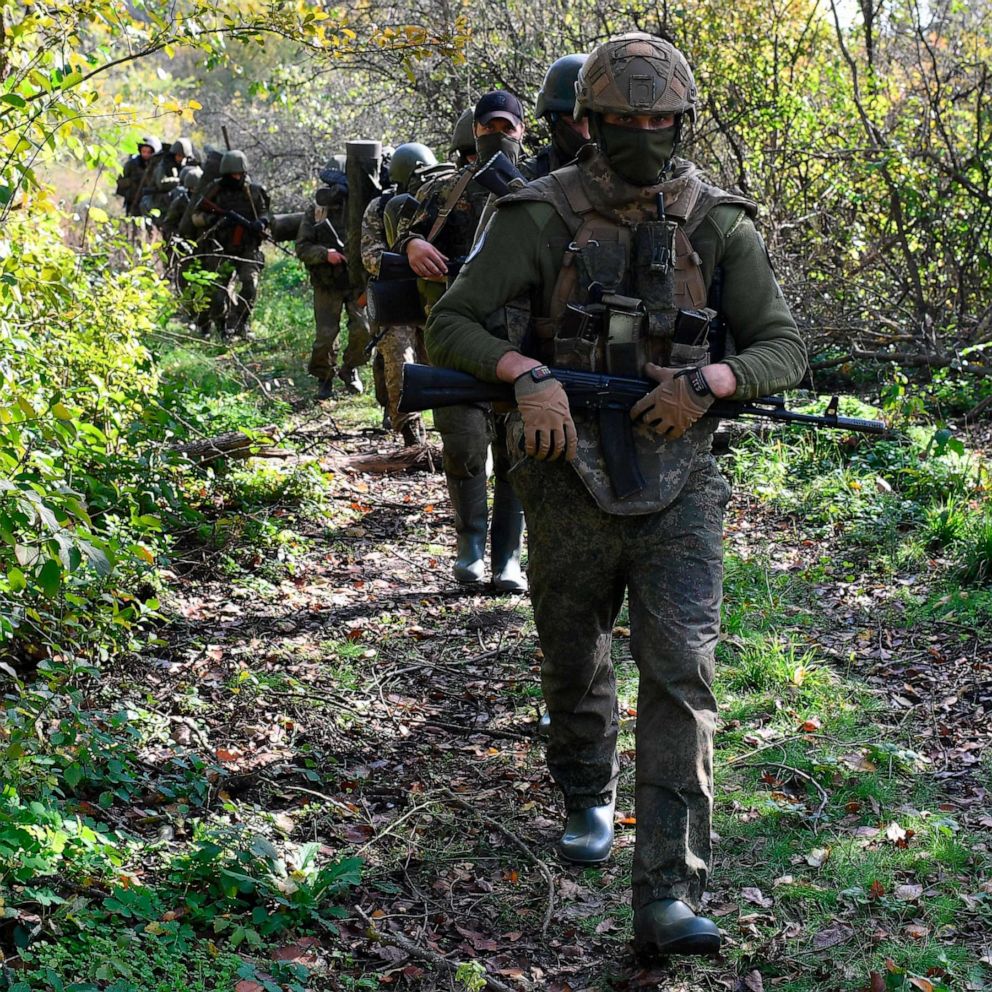
The recent report by Jeune Afrique alleging that Russian Wagner Group mercenaries committed acts of racism, torture, and extrajudicial killings in Mali has further complicated the already contentious issue of foreign involvement in Africa.....KINDLY READ THE FULL STORY HERE▶
A recent exposé by Jeune Afrique has once again thrust the controversial Russian Wagner Group into the spotlight, accusing its operatives of racism, torture, and extrajudicial killings in Mali. Based on access to an infiltrated Telegram group and corroborated by earlier reports—including the verified killing of 28 civilians—these revelations starkly highlight the dangerous cost of unchecked foreign involvement in Africa.
While Malian authorities continue to deny Wagner’s presence, referring instead to “military instructors,” the report makes it clear that foreign actors—whether state-sponsored or mercenary—can bring catastrophic consequences. This forces us to ask a long-overdue question: when foreign powers engage in Africa, is it truly “intervention” for stability and development, or does it more often slip into “interference” that leaves ruin in its wake?
Intervention vs. Interference: A Blurred Line
There is a crucial difference between intervention and interference. Legitimate intervention is multilateral, transparent, and grounded in humanitarian or capacity-building motives. It respects national sovereignty and aligns with the aspirations of African states.
By contrast, interference is unilateral, exploitative, and driven by geopolitical self-interest. It props up authoritarian regimes, undermines democratic movements, extracts resources, and imposes foreign models with little regard for local context. Africa’s historical experience has shown that the line between these two is often blurred—usually to Africa’s detriment.
The Colonial Blueprint of Interference
The legacy of interference began with the colonial partition of Africa, a project designed to extract resources and control populations. Arbitrary borders created ethnic divisions and lasting national instability. Even after the colonial powers exited in name, they left behind economic and political structures that served external interests rather than local development.
Post-independence, many African countries remained tethered to their former colonizers for aid and policy direction, perpetuating a cycle of dependency and elite capture.
Cold War Calculations and the Cost of Proxy Wars
During the Cold War, Africa was a chessboard for ideological warfare between the West and the Soviet Union. Foreign powers armed militias, financed coups, and propped up dictators—as long as it served their global strategic agendas. The result was a proliferation of conflict, repression, and underdevelopment.
These “interventions” often entrenched authoritarianism, as human rights and good governance were sacrificed at the altar of superpower rivalry.
Counterterrorism or Cover for Control?
In the post-9/11 world, the Sahel and other regions became key theatres for counterterrorism. While some foreign military operations have been vital in combating extremist threats, others have resulted in collateral damage and community alienation. The French withdrawal from Mali created a vacuum, which transitional military leaders have since filled with Russian mercenary presence—under new labels but old intentions.
The Wagner Group’s rebranded “Africa Corps” has been linked to atrocities that echo colonial-era brutality, exposing the dangers of unregulated private military involvement.
The Wagner Factor: Mercenaries, Violence, and Denial
The Jeune Afrique investigation sheds light on the brutal culture within Wagner’s ranks: racial slurs, graphic videos, and open celebration of violence. The denial by Malian authorities—who claim these are merely “instructors”—only adds to the opacity and lack of accountability.
The strategic alliance with Russia appears to be a rejection of Western paternalism, but replacing one exploitative partnership with another cannot be the solution. Moscow’s interest lies in expanding influence and accessing African minerals, often with little concern for governance or human rights.
The Economic Toll of Foreign Policy Missteps
Beyond human rights, foreign interference has had economic consequences. Decades of exporting raw materials at low prices while importing finished goods has stunted industrial growth. Structural adjustment programmes, driven by Western-led financial institutions, have slashed public services and deepened inequality.
What’s worse, some foreign actors today continue the extractive model—whether through opaque military partnerships or sweetheart deals on natural resources—leaving Africans to pay the cost in underdevelopment and insecurity.
A Growing Continental Backlash
There is growing disillusionment across Africa. From Mali to Niger and Burkina Faso, new regional groupings like the Alliance of Sahel States (AES) are forming in defiance of traditional Western security frameworks. These moves are not necessarily endorsements of Russian involvement, but calls for sovereignty and dignity in how security is approached.
Africans are demanding control over their own security architectures—and a say in how their futures are shaped.
Towards True Partnership, Not Puppetry
If the international community genuinely wishes to support Africa, it must shed the mindset of control and embrace partnership. This means:
-
Prioritising African Agency: Let African regional bodies like the AU and ECOWAS lead, with external actors playing a supportive—not dominant—role.
-
Respecting Sovereignty: Stop imposing cookie-cutter political or economic models that don’t fit African contexts.
-
Recalibrating Support: Foreign aid and military cooperation must be demand-driven, not donor-scripted. That way, private military companies like Wagner will no longer be seen as necessary.
-
Ensuring Accountability: International law must apply to all. Entities like Wagner should be investigated and prosecuted for alleged crimes. Countries sponsoring them must also be held responsible.
The Human Cost of Interference
Ultimately, the price of foreign policy is not only paid in dollars, but in blood and stolen futures. Mali’s suffering—and that of other countries affected by foreign militarism—is a stark reminder that Africa cannot afford interference disguised as partnership.
It is time for the world to abandon its outdated playbook and meet Africa on equal terms. Only then can we build a future where security, development, and dignity are not just slogans—but shared realities.
Latest News
Tears For A Titan: Family Unveils Emotional Three-Day Funeral Plan For Iconic Actor Kola Oyewo!.

The funeral arrangements for the celebrated Nigerian actor, theatre scholar, and traditional ruler, Chief Dr. Adekola Gabriel Oyewo (Kola Oyewo), have been finalized by his family, with interment scheduled for Friday, August 7, 2026, in Osun State. The veteran actor passed away at age 80, leaving behind a legacy as a prominent figure in stage, television, and academia.....KINDLY READ THE FULL STORY HERE▶
The three-day farewell, organized by the Balogun Oyekola Oyewo Memorial Committee, follows this schedule:
-
Wednesday, August 5, 2026: A wake-keep and service of songs will be held at St. Mary’s Catholic Church, Igboya, Ile-Ife.
-
Thursday, August 6, 2026: A commendation mass is scheduled at St. Mary’s Catholic Church, followed by an artistes’ night at the Obafemi Awolowo University (OAU) Oduduwa Hall. An exhibition celebrating his works and photographs will also open at the Pit Theatre, African Studies Building, OAU, running through Friday.
-
Friday, August 7, 2026: After a morning departure from his residence, a requiem mass will take place at St. Joseph Catholic Church, Oba-Ile. He will be laid to rest in a private ceremony at 12:45 p.m. at Labaluyegbe Villa, followed by a reception at Aderonmu Grammar School Field.
The Bangbola Oyewo family of the Ese-Ola Royal House remembered him as a beloved family man, traditional leader, and an inspiration to generations of theatre practitioners. His passing is regarded as the end of an era for the Nigerian theatre community, where he served as an Associate Professor of Drama and a long-standing mentor.
Latest News
Nation In Shock! Herders’ King Brutally Murdered: Cops Race Against Time To Catch Killers!.
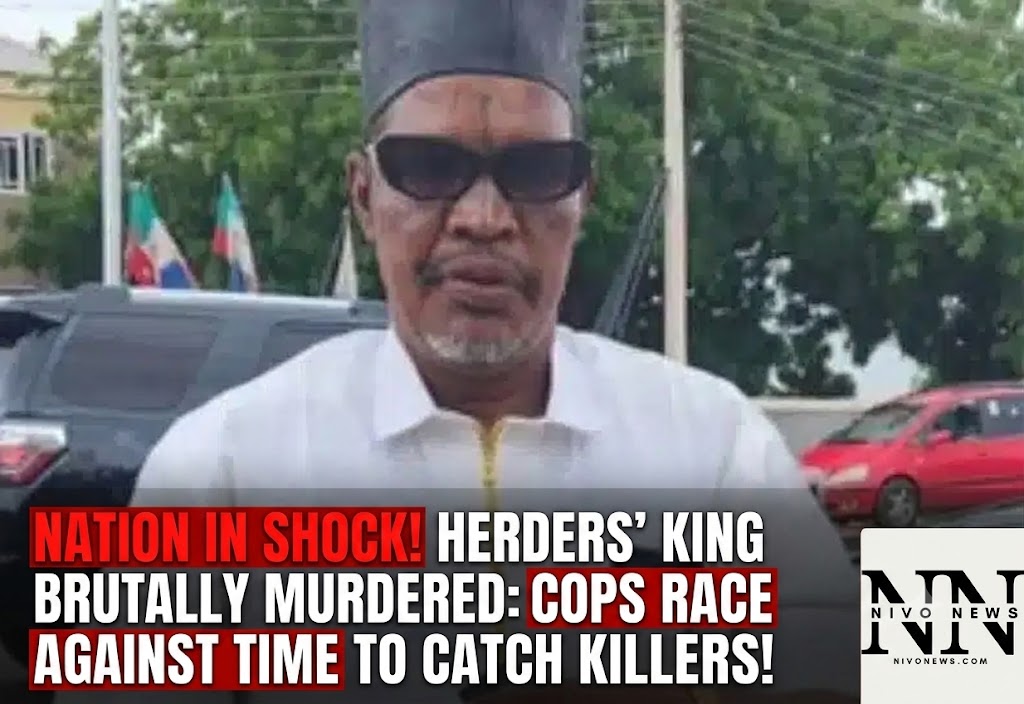
Authorities have initiated a comprehensive investigation into the murder of Risku Mohammed, the Benue State Chairman of the Miyetti Allah Cattle Breeders Association of Nigeria (MACBAN), and his associate, Yakubu Isa. The two men were reportedly ambushed by unidentified attackers near Ahimeni in the Okodu area while traveling back from a peace summit in Otukpo.....KINDLY READ THE FULL STORY HERE▶
Benue State Commissioner of Police, Cletus Nwadiogbu, condemned the act as a “senseless and criminal” effort to destabilize local peace and security. Through PPRO DSP Udeme Edet, the Commissioner announced that tactical and intelligence teams have been mobilized to hunt down the perpetrators. CP Nwadiogbu has urged the public to avoid spreading rumors or pursuing vigilante justice, instead appealing for any useful information to be shared with the police to assist in the swift arrest and prosecution of those responsible.
Option 2: Concise News Style
Police in Benue State are hunting for the gunmen who killed MACBAN State Chairman Risku Mohammed and Yakubu Isa. The victims were attacked near Ahimeni in the Okodu area while returning from a peace meeting in Otukpo.
State Commissioner of Police Cletus Nwadiogbu denounced the killings and vowed that the command would “leave no stone unturned” in bringing the culprits to justice. Tactical units have been deployed to the area to track down the assailants. The Commissioner extended his condolences to the bereaved families and called on residents to remain calm, law-abiding, and to report any leads to the nearest police station. He reiterated the command’s firm commitment to ensuring the safety of all citizens and holding the criminals accountable.
Option 3: Action-Oriented
Following the tragic assassination of Benue MACBAN Chairman Risku Mohammed and Yakubu Isa, the State Police Command has launched a full-scale investigation. The victims were killed by unknown assailants near Ahimeni, Okodu, following a peace engagement in Otukpo.
Commissioner of Police Cletus Nwadiogbu has directed tactical and intelligence units to track down and arrest the attackers immediately. In a public statement, the command emphasized that such criminal acts will not be tolerated and that every effort is being made to secure justice for the victims. The public is encouraged to assist the investigation by reporting any relevant information through official channels and is cautioned against fueling tensions by sharing unverified reports.
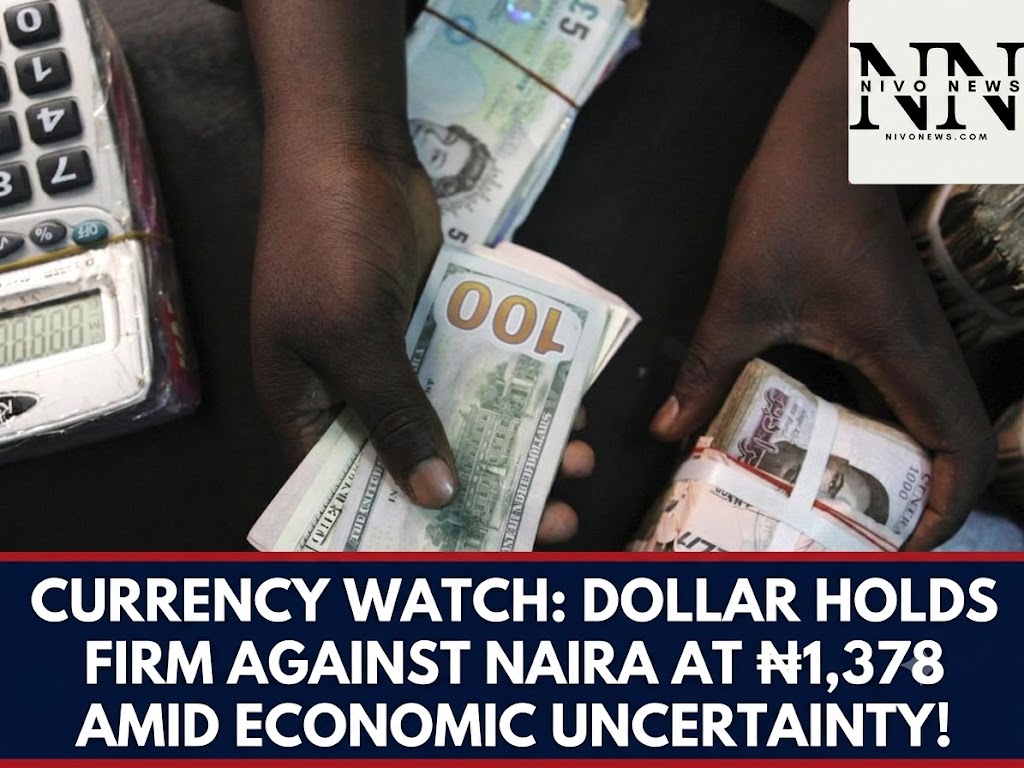
On June 26, 2026, the dollar-to-naira exchange rate at the Lagos parallel market, commonly referred to as the black market, saw sellers offering the dollar at ₦1402, while buyers were purchasing it at ₦1391, according to Bureau De Change (BDC) sources. It is important to note that the Central Bank of Nigeria (CBN) does not officially recognize this market and advises individuals to conduct foreign exchange transactions through their respective banks.....KINDLY READ THE FULL STORY HERE▶
Additionally, the CBN’s official rates for the same period ranged from a high of ₦1385 to a low of ₦1376. Please be aware that actual transaction prices may vary and might differ from the figures provided in this report.
Exchange Rate Summary (June 26, 2026)
-
Parallel Market (Selling): ₦1402
-
Parallel Market (Buying): ₦1391
-
CBN Official Rates: ₦1376 – ₦1385
What specific aspect of the current foreign exchange market or its impact on consumer trends would you like to discuss further?
-

 latest10 months ago
“Social Media Erupts As Jim Iyke Declares Rita Dominic Nollywood’s Most Beautiful”
-
 latest2 years ago
Edo Political Showdown: Oshiomhole Appears At Presidential Villa As Tinubu Hands APC Gubernatorial Flag To Okpebholo (Photos & Video)
-
 entertainment2 years ago
Love Knows No Age American Woman Defends Marriage To Young Nigerian Man “I’m Not 70”
-
 latest2 years ago
Olumide Akpata Strikes Again: Drops Killer Track, Sends Edo State Into Frenzy!(Video)
-
 Politics3 years ago
Nigerians React As Pastor Adeboye Foresees Passing Away On A Sunday After Enjoying A Satisfying Meal Of Pounded Yam
-
 latest2 years ago
FG Identifies 31 States At Risk Of Heavy Flooding In 2024: See Full List
-
 Politics3 years ago
BREAKING: Inspector-General Of Police Summons Top Police Commanders For Crucial-Security Challenges
-
 latest2 years ago
5 NYSC Corpers Perish In Fatal Road Accident Returning From Camp