
latest
Could Ishiba Be Japan’s Next Prime Minister? Ex-Defence Minister Leads The Charge

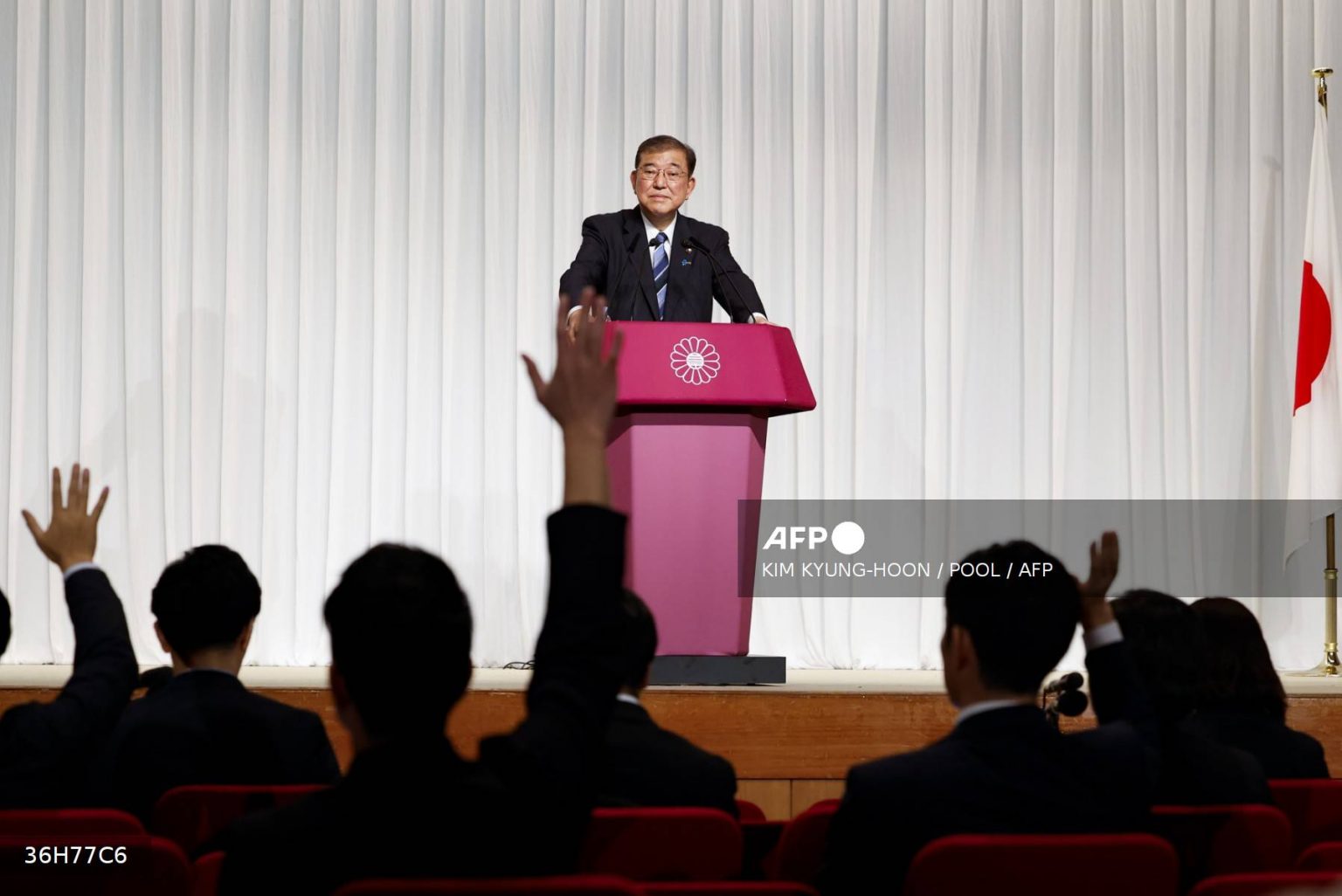
Former defence minister, Shigeru Ishiba, will become Japan’s prime minister next week after winning the conservative ruling party’s leadership vote on Friday.
Ishiba had come close to the top job before, including in 2012 when he lost to nationalist Shinzo Abe, Japan’s longest-serving leader who was later assassinated.
The LDP has governed almost uninterrupted for decades and holds a majority, meaning Ishiba will be elected premier by parliament on Tuesday.
The military model-maker with an affinity for 1970s pop idols says his experience tackling tough issues, such as agriculture reforms, makes him qualified for the job.
– Yen surges –
As prime minister, Ishiba will need to face down regional security threats, from an increasingly assertive China and its deepening ties with Russia to North Korea’s banned missile tests.
His push to boost the military and call for the creation of an Asian NATO could rile Beijing, but he is careful with his words concerning China.
Following the result, China’s foreign ministry spokesman said the country wants to improve ties with Japan, because “the long-term, sound and steady development of China-Japan relations serves the fundamental interests of the two peoples”.
At home, Ishiba will be tasked with breathing life into the economy, as the central bank moves away from decades of monetary easing that has slashed the value of the yen.
The Japanese currency surged after Friday’s result, firming to 142.94 against the dollar from 146.49 yen when the head-to-head between Ishiba and Takaichi was announced.
Ishiba supports the Bank of Japan’s exit from its unorthodox ultra-loose policies and his win “will almost certainly be welcome news for policymakers” there, Capital Economics said.
He has also pledged to revitalise rural regions and proposes creating a government agency for disaster prevention.
In the first round of voting, a record nine candidates were in the running after the LDP’s long-powerful factions disbanded this year over a funding scandal.
Takaichi, the economic security minister, is a vocal nationalist popular with the LDP’s conservative wing. The 63-year-old was close to assassinating ex-premier Abe, whose supporters are still powerful.
In third place behind Ishiba and Takaichi was former environment minister Shinjiro Koizumi, a keen surfer whose father was prime minister in the 2000s.
– ‘Courage in his convictions’ –
LDP leaders are in office for three years and can serve up to three straight terms. Unpopular Prime Minister Fumio Kishida did not run for re-election.
“I have a good impression of Ishiba, because he seems to have courage in his convictions,” Junko Tominaga, a woman in her 50s, told AFP on the streets of Tokyo.
“I just don’t want Japan to tilt further to the right under Ishiba in terms of defence.”
Minoru Kitani, 46, said his “hopes for Ishiba aren’t so high.”
“But I agree with, and support, his belief that Japan needs to be protected better, made stronger and guarded against the threat of other countries,” he said.
While “a woman prime minister would’ve been good,” a win for Abe’s mentee Takaichi would not “have done much to herald a fresh start for Japan.”
The LDP has governed Japan almost uninterrupted for decades, with the main opposition parties rarely seen as viable alternatives.
During his term, Kishida has taken steps to double Japan’s defence spending, opening the door for military exports as the LDP seeks to revise the pacifist post-war constitution.
He welcomed Ukrainian President Volodymyr Zelensky to a G7 summit in Hiroshima and has strengthened Japan’s often testy ties with its neighbour South Korea.
But his rule was also tarnished by scandals, voter anger over rising prices and sliding poll ratings.
latest
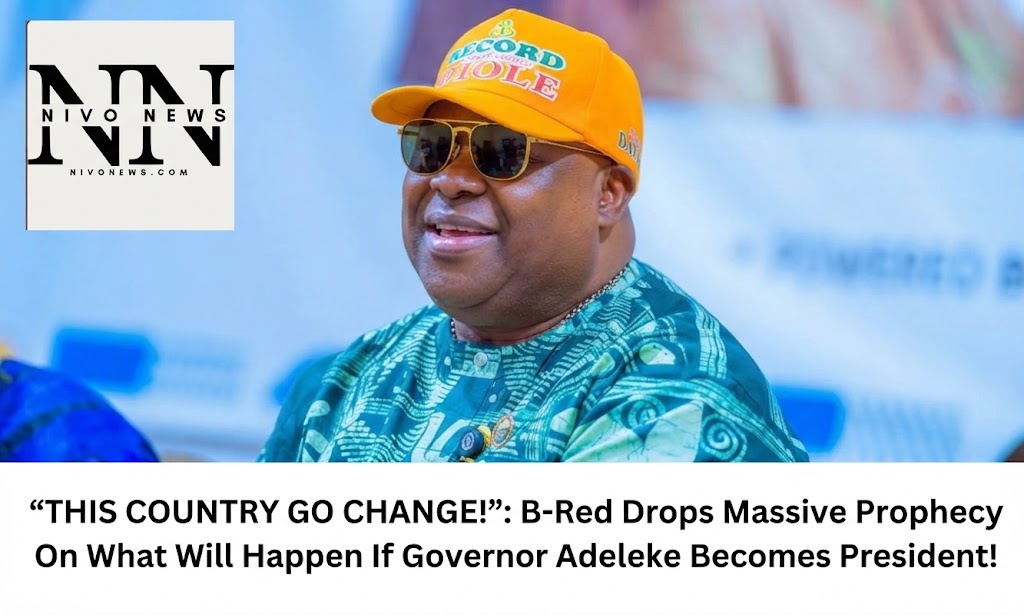
“THIS COUNTRY GO CHANGE!”: B-Red Drops Massive Prophecy On What Will Happen If Governor Adeleke Becomes President!.
-
Potential Presidential Impact: Nigerian singer B-Red stated during an Echoroom podcast interview that Nigeria could experience massive positive transformations if his father, Osun State Governor Ademola Adeleke, ever ascends to the presidency.....KINDLY READ THE FULL STORY HERE▶
-
-
Mixed Feelings on the Race: While acknowledging his father’s compassionate nature and commitment to serving citizens rather than seeking wealth, B-Red admitted he would prefer his father avoid the grueling pressure of the highest office.
-
Family Wealth and Intentions: Emphasizing that his family has long been financially secure, the artist stressed that any potential presidential bid would be driven entirely by a genuine desire to help people and meet public needs.
-
latest
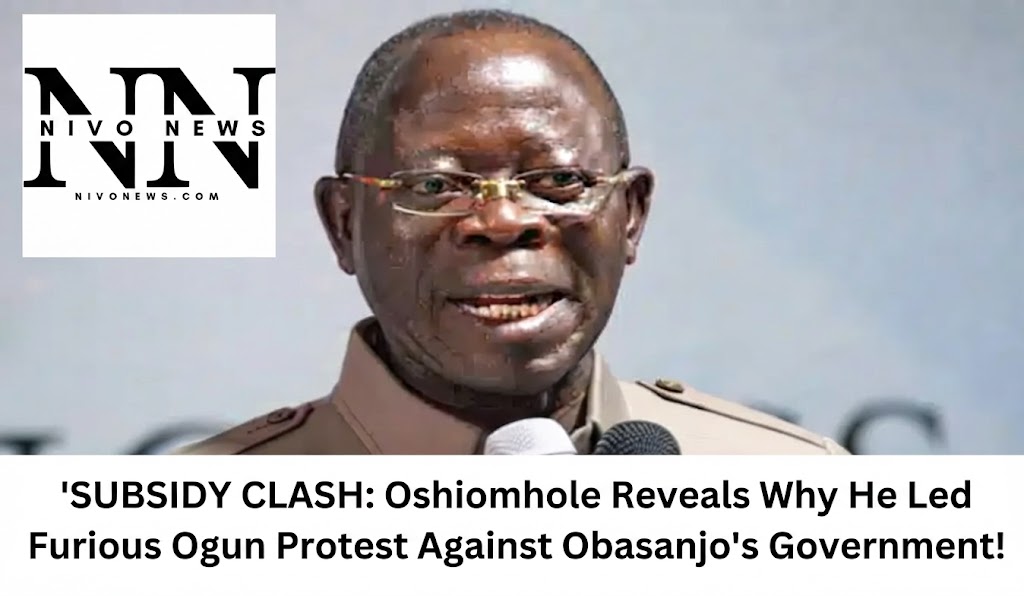
SUBSIDY CLASH: Oshiomhole Reveals Why He Led Furious Ogun Protest Against Obasanjo’s Government!.
-
Reason for the Protest: Senator Adams Oshiomhole explained that he organized residents of Ogun State to protest against former President Olusegun Obasanjo’s fuel subsidy removal because he doubted the administration’s ability to distribute the benefits fairly to ordinary citizens.....KINDLY READ THE FULL STORY HERE▶
-
-
Event Context: The revelation was made at the University of Lagos (UNILAG) during the seventh national discourse hosted by ‘The Companion’, an association of Muslim men in business and the professions.
-
Mobilizing Support: Recounting his time as NLC President, Oshiomhole noted that he rallied locals in Abeokuta—including key figures like Senator Afolabi Salisu—alongside UNILAG students and workers to oppose the policy.
-
Systemic Doubts: He emphasized that while the government had the power to remove the subsidy, it lacked the proper systems needed to ensure the savings reached the poor.
-
latest
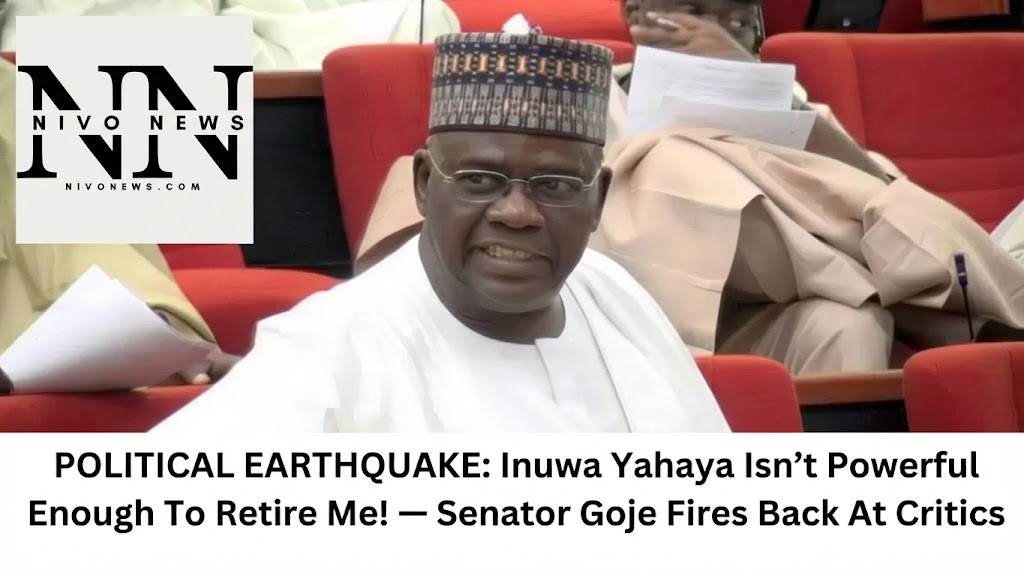
POLITICAL EARTHQUAKE: Inuwa Yahaya Isn’t Powerful Enough To Retire Me! — Senator Goje Fires Back At Critics.
-
Voluntary Step-Aside: Former Gombe State Governor and Senator Mohammed Danjuma Goje dismissed claims that Governor Inuwa Yahaya forced him out of politics, clarifying that he voluntarily chose to step aside from the 2027 elections following the APC senatorial primary outcome.....KINDLY READ THE FULL STORY HERE▶
-
-
Faith and Acceptance: In a BBC Hausa interview, Goje accepted the loss as the will of Allah, noting that he holds no grudges, feels no betrayal, and remains committed to supporting the APC.
-
Paving the Way for Youth: Goje explained that he feels it is time to let younger politicians take over, adding that he had previously planned to retire in 2019 before constituents persuaded him to run again.
-
Open Options: While affirming that he could easily return to the Senate via another party if he chose to, the veteran politician emphasized his deep gratitude for his long career and expressed peace with his current decision.
-
-

 latest12 months ago
“Social Media Erupts As Jim Iyke Declares Rita Dominic Nollywood’s Most Beautiful”
-
 latest2 years ago
Edo Political Showdown: Oshiomhole Appears At Presidential Villa As Tinubu Hands APC Gubernatorial Flag To Okpebholo (Photos & Video)
-
 entertainment2 years ago
Love Knows No Age American Woman Defends Marriage To Young Nigerian Man “I’m Not 70”
-
 latest2 years ago
Olumide Akpata Strikes Again: Drops Killer Track, Sends Edo State Into Frenzy!(Video)
-
 Politics3 years ago
Nigerians React As Pastor Adeboye Foresees Passing Away On A Sunday After Enjoying A Satisfying Meal Of Pounded Yam
-
 latest2 years ago
FG Identifies 31 States At Risk Of Heavy Flooding In 2024: See Full List
-
 Politics3 years ago
BREAKING: Inspector-General Of Police Summons Top Police Commanders For Crucial-Security Challenges
-
 latest2 years ago
5 NYSC Corpers Perish In Fatal Road Accident Returning From Camp