
latest
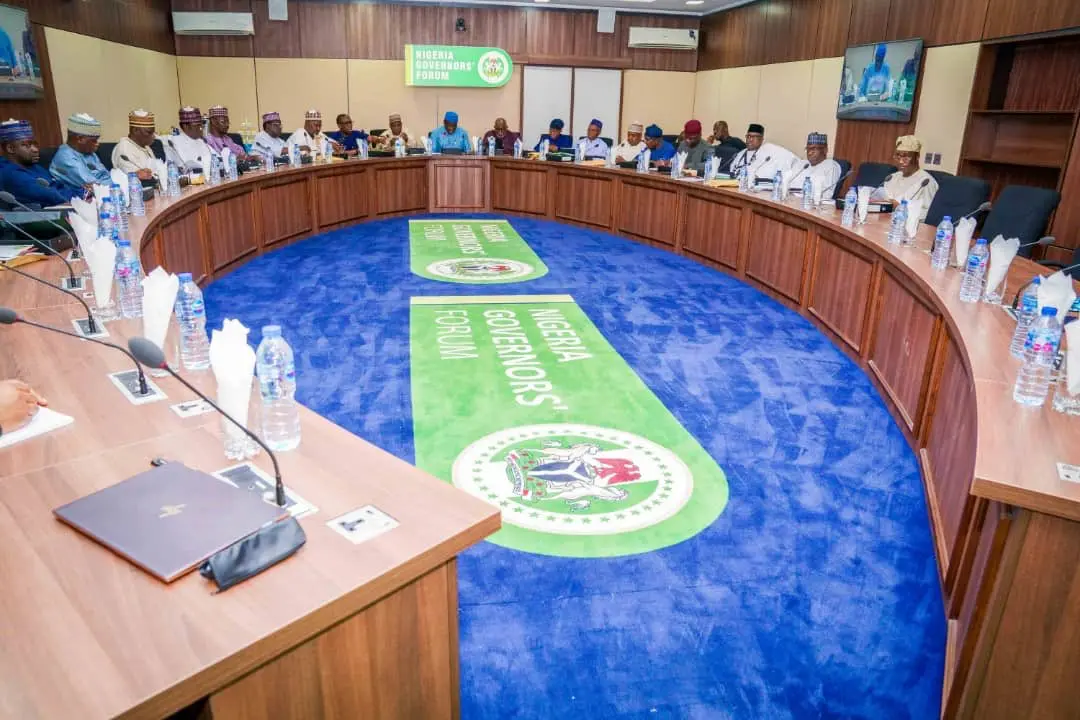
Why States Are Hesitant On Minimum Wage Increase To N62,000


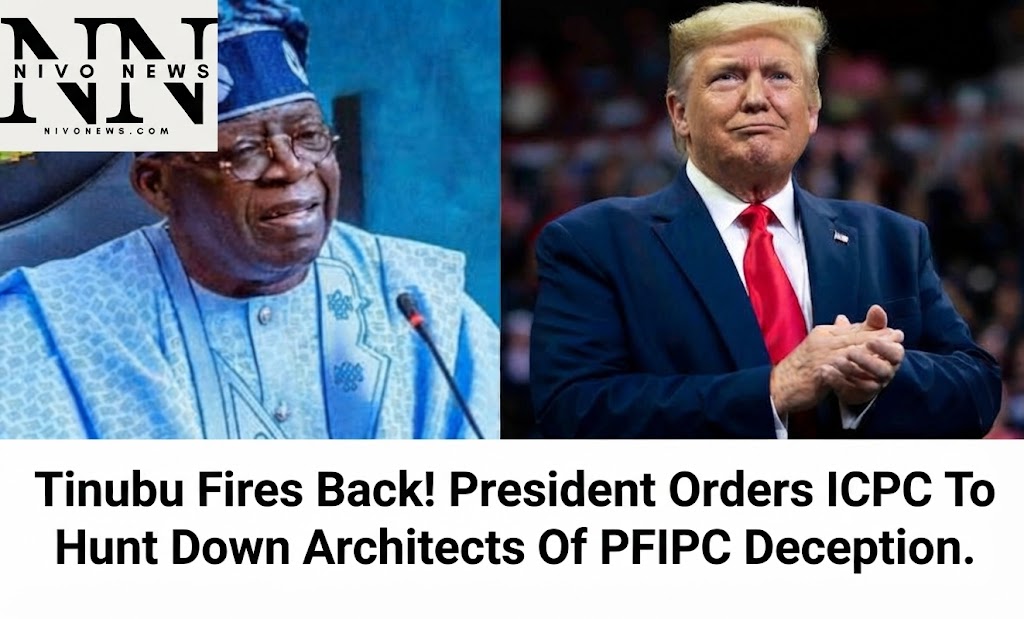
U.S.-based lobbyist Von Batten-Montague-York is urging President Donald Trump and the U.S. Congress to investigate potential fraud involving the Presidential Foreign Intervention Promotion Council (PFIPC) and senior officials in Nigeria’s Tinubu administration. The lobbyist alleges a conspiracy to divert U.S.-linked funding, specifically targeting Chief of Staff Femi Gbajabiamila, who has consistently denied any link to the council or its director, Adeniyi Adeyemi. This push for scrutiny is bolstered by the suspicious ₦1.3 billion allocation the “fictitious” agency received in the 2026 national budget. Amid these claims, attention has also resurfaced regarding Gbajabiamila’s past 2007 suspension by the Georgia Supreme Court for professional misconduct regarding client funds. While the Nigerian Presidency labels the PFIPC a fraud and is prosecuting Adeyemi for forgery, the mystery remains as to how the entity secured legislative and executive approval for its budget allocation.....KINDLY READ THE FULL STORY HERE▶
The controversy surrounding the alleged “ghost agency,” the PFIPC, has reached U.S. soil as a lobbyist pushes for American authorities to probe high-ranking Nigerian officials. Von Batten-Montague-York claims that senior figures in the Tinubu government may have used the disputed council to illegally secure or divert international funding. Despite Femi Gbajabiamila’s strong denials of involvement, his past disciplinary record in the U.S. has become a focal point of the lobbyist’s demands. Meanwhile, Adeniyi Adeyemi—currently facing criminal charges for forgery and impersonation—has further complicated the narrative by questioning how the council received a ₦1.3 billion budget allocation while he was in police detention, suggesting that others within the government must have facilitated the agency’s inclusion in the 2026 Appropriation Act.
Option 3: Concise Summary U.S. lobbyist Von Batten-Montague-York has petitioned the Trump administration and Congress to investigate Nigerian officials over the PFIPC scandal, citing allegations of a conspiracy to defraud the United States. The report highlights the suspicious ₦1.3 billion budget allocation for the agency, which the Nigerian Presidency officially disowns as a fraudulent creation of Adeniyi Adeyemi. Adeyemi, however, denies involvement in the budget process and challenges the government to explain how the “fictitious” entity bypassed legislative and executive scrutiny. The situation has also invited renewed scrutiny of Chief of Staff Femi Gbajabiamila’s history, referencing his 2007 legal practice suspension in Georgia as part of the broader controversy.
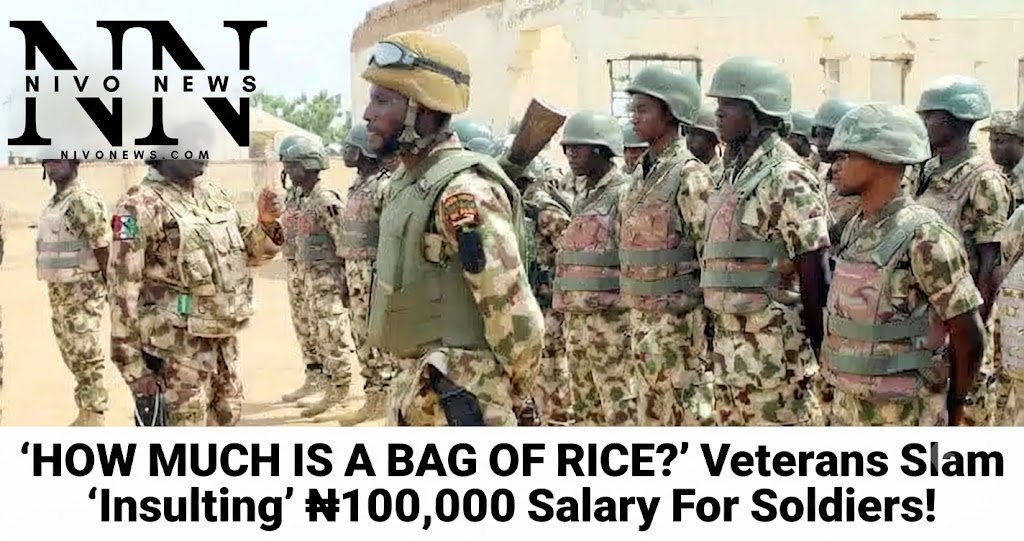
Military veterans have expressed strong dissatisfaction with the Federal Government’s decision to increase the minimum monthly salary for soldiers to ₦100,000, calling the amount insufficient given the current economic climate. In interviews with Punch, veterans argued that significantly higher pay is essential to boost troop morale and performance. This follows an announcement by Minister of Defence Christopher Musa, who stated the pay had been raised from ₦49,000 to ₦100,000. However, some retirees, such as Abdul Isiak, noted that this increase fails to cover basic family needs. Furthermore, retired Sergeant Zaki Williams openly questioned the accuracy of the minister’s statement, labeling the ₦100,000 figure as both potentially untrue and inadequate for the risks soldiers endure.....KINDLY READ THE FULL STORY HERE▶
A wave of criticism has emerged from retired military personnel regarding the government’s reported salary hike for soldiers. While Minister of Defence Christopher Musa disclosed an increase to ₦100,000, veterans argue that the sum is largely inadequate to address Nigeria’s rising cost of living. Retired Sergeant Zaki Williams went as far as to doubt the claim entirely, describing the ₦100,000 figure as a “lie” and an insulting offer for those serving in difficult conditions. Veterans emphasize that if the government hopes to see improved performance and dedication from troops, it must prioritize genuine welfare improvements rather than what they perceive as token increases.
Option 3: Concise Summary Veterans are pushing back against the government’s announcement of a new ₦100,000 minimum monthly salary for soldiers. Minister of Defence Christopher Musa recently confirmed the adjustment from ₦49,000, but retired personnel remain unimpressed. Many argue that the new amount is insufficient for today’s economic realities and that better remuneration is critical for maintaining high morale. Expressing frustration, retired Sergeant Zaki Williams questioned the reality of the payout, dismissing the ₦100,000 figure as unrealistic and far below what is deserved for the challenges and sacrifices faced by military personnel.
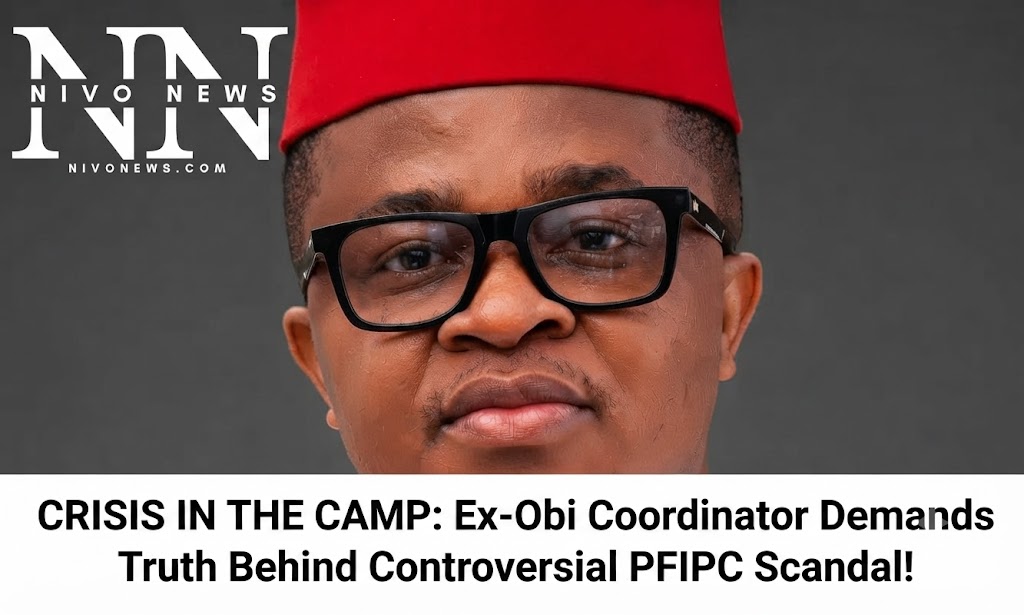
Ifeanyi Thaddeus Ezeagu, a former coordinator for Peter Obi’s 2023 presidential campaign, has demanded a transparent and independent probe into the controversy surrounding the alleged Presidential Foreign Intervention Promotion Council (PFIPC). Ezeagu noted that this scandal reveals significant vulnerabilities in Nigeria’s accountability systems and public administration.....KINDLY READ THE FULL STORY HERE▶
-
Need for Public Accountability: He argued that Nigerians are owed an explanation regarding how a potentially non-existent agency secured official recognition, office space, and budgetary allocations.
-
Support for Investigation: While Ezeagu welcomed President Tinubu’s 30-day investigative directive to the ICPC, he stressed that the inquiry must be impartial and free from political interference.
-
Scope of the Probe: He stated the investigation should uncover institutional failures and potential collaborators, rather than just focusing on individuals directly linked to the issue.
-
Institutional Reforms: Ezeagu advocated for stronger internal controls, enhanced verification procedures across government departments, and the digitization of institutional records to prevent similar fraud in the future.
-
Call for Transparency: He urged the ICPC and the National Assembly to collaborate on a credible investigation, emphasizing that full disclosure of findings is necessary to restore public confidence in governance.
Ezeagu concluded that this controversy should serve as a catalyst for the government to reinforce transparency and accountability, asserting that public trust is essential for rebuilding governance and attracting investment.
-

 latest11 months ago
“Social Media Erupts As Jim Iyke Declares Rita Dominic Nollywood’s Most Beautiful”
-
 latest2 years ago
Edo Political Showdown: Oshiomhole Appears At Presidential Villa As Tinubu Hands APC Gubernatorial Flag To Okpebholo (Photos & Video)
-
 entertainment2 years ago
Love Knows No Age American Woman Defends Marriage To Young Nigerian Man “I’m Not 70”
-
 latest2 years ago
Olumide Akpata Strikes Again: Drops Killer Track, Sends Edo State Into Frenzy!(Video)
-
 Politics3 years ago
Nigerians React As Pastor Adeboye Foresees Passing Away On A Sunday After Enjoying A Satisfying Meal Of Pounded Yam
-
 latest2 years ago
FG Identifies 31 States At Risk Of Heavy Flooding In 2024: See Full List
-
 Politics3 years ago
BREAKING: Inspector-General Of Police Summons Top Police Commanders For Crucial-Security Challenges
-
 latest2 years ago
5 NYSC Corpers Perish In Fatal Road Accident Returning From Camp