
Business
Rejection Of Naira: Trans-Border Traders Turn To CFA Amid Currency Depreciation

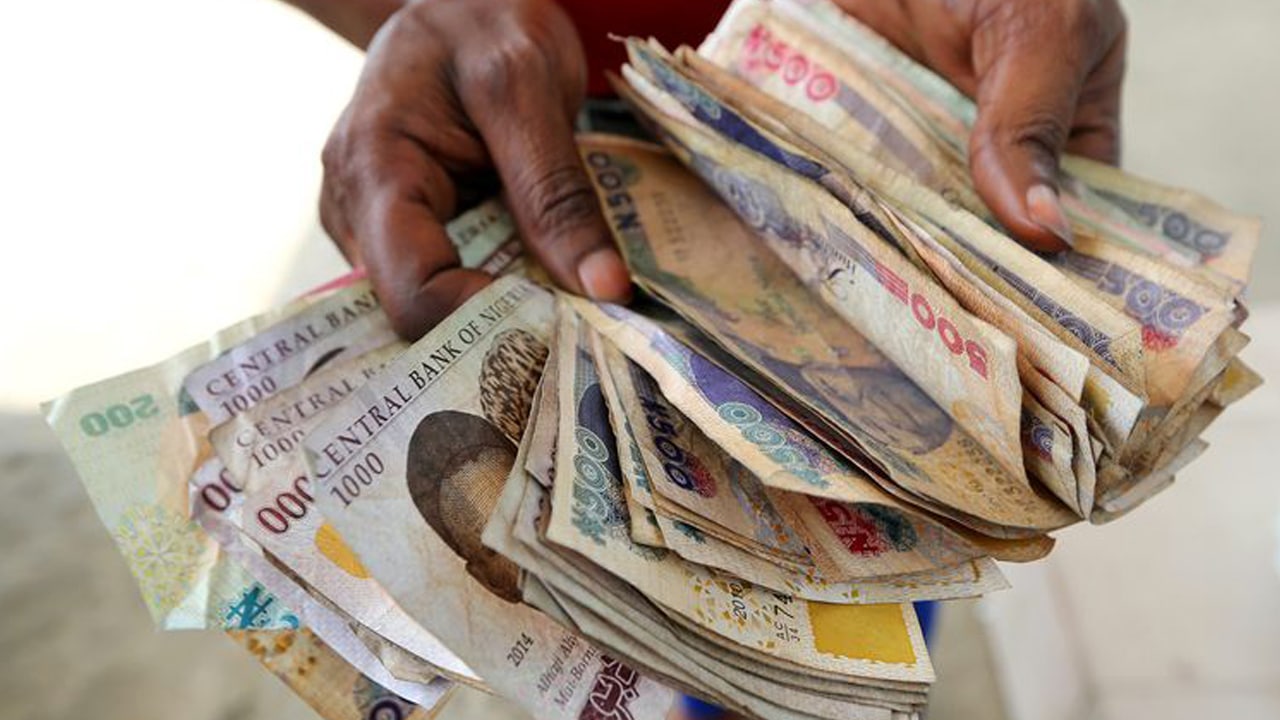
Rejection Of Naira: Trans-Border Traders Turn To CFA Amid Currency Depreciation....KINDLY READ THE FULL STORY HERE▶
The depreciation of the Naira in recent months has prompted trans-border traders to shun the Nigerian currency in favor of the CFA and other local currencies of non-francophone countries. Vanguard’s investigations at the Seme border reveal a notable shift in currency preference among traders, signaling a departure from the Naira’s erstwhile dominance in the sub-regional economy……..READ ALSO
Historically, the Naira enjoyed prominence as the preferred medium of exchange due to Nigeria’s substantial trade volume with neighboring countries. However, its status has been on a downward trajectory since February, leading to its outright rejection by March 2024.
Traders, including Nigerians, voice concerns over the Naira’s diminishing value, exacerbated by steep depreciation rates recorded in recent months. Official figures depict a stark decline in the Naira’s value against the CFA, plunging from N1/1.5CFA in early 2023 to N1/0.37595CFA recently. Despite marginal improvements, the Naira remains significantly weakened, impacting the cost of imported goods and dampening business activities in border towns between Nigeria and the Benin Republic.
Reports from markets along the Benin-Nigeria border highlight a dwindling acceptance of the Naira, with money changers and transport operators opting for the CFA to mitigate losses arising from the Naira’s volatility. Ibrahim Yakubu, a bike rider, and Taiye Ekiti, a money changer, cite the influence of the dollar on the Naira’s depreciation as a reason for their preference for the CFA.
Traders like Mr. Achi Collins, dealing in second-hand clothing, note the reluctance of counterparts to accept the Naira, compelling customers to convert their money to CFA. While a few traders in Seme may still entertain Naira transactions, the adverse effects of the exchange rate are reflected in higher prices for goods.
The rejection of the Naira in major cities of the Benin Republic underscores its diminished value, with traders insisting on CFA for transactions. Gone are the days when the Naira held sway along the west coast, as it is now spurned even in countries like Ivory Coast and Senegal, where it was once freely spent by Nigerian sports journalists covering events.


A recent survey conducted by Naija News has revealed a notable decrease in the price of cooking gas in Nigeria, offering much-needed relief to households and small businesses. According to the survey, the cost of refilling cooking gas per kilogram has reduced significantly from ₦1,350 to ₦1,020.....KINDLY READ THE FULL STORY HERE▶
This positive development is expected to ease the financial burden on Nigerian families and small enterprises, especially those that heavily depend on cooking gas as a primary energy source. The survey, encompassing gas stations and vendors from various parts of the country, shows that the reduced price may help lower the overall cost of living.
The revised price breakdown is as follows:
-
1 kg of Cooking Gas: ₦1,020
-
3 kg of Cooking Gas: ₦3,060
-
5 kg of Cooking Gas: ₦5,100
-
10 kg of Cooking Gas: ₦10,200
-
12.5 kg of Cooking Gas: ₦12,750
This decline marks a significant shift from the previous upward trend in gas prices and is likely to positively impact the economy, particularly the food and hospitality sectors. Businesses that rely on cooking gas will experience reduced operational costs, ultimately boosting their profit margins.
Experts attribute the drop in cooking gas prices to several factors, including fluctuations in global energy costs and adjustments within local supply chains. Despite recent variations in crude oil and natural gas prices, the reduction is perceived as a welcome development for Nigerian consumers.
By spending less on cooking gas, households and small businesses will now see some financial relief in their monthly budgets, especially during these economically challenging times.
-

 latest1 year ago
“Social Media Erupts As Jim Iyke Declares Rita Dominic Nollywood’s Most Beautiful”
-
 latest3 years ago
Edo Political Showdown: Oshiomhole Appears At Presidential Villa As Tinubu Hands APC Gubernatorial Flag To Okpebholo (Photos & Video)
-
 entertainment3 years ago
Love Knows No Age American Woman Defends Marriage To Young Nigerian Man “I’m Not 70”
-
 latest3 years ago
Olumide Akpata Strikes Again: Drops Killer Track, Sends Edo State Into Frenzy!(Video)
-
 Politics3 years ago
Nigerians React As Pastor Adeboye Foresees Passing Away On A Sunday After Enjoying A Satisfying Meal Of Pounded Yam
-
 latest3 years ago
FG Identifies 31 States At Risk Of Heavy Flooding In 2024: See Full List
-
 Politics3 years ago
BREAKING: Inspector-General Of Police Summons Top Police Commanders For Crucial-Security Challenges
-
 latest3 years ago
5 NYSC Corpers Perish In Fatal Road Accident Returning From Camp