
latest
Exploring The Root Causes Of Leg Burning Sensation And Ache


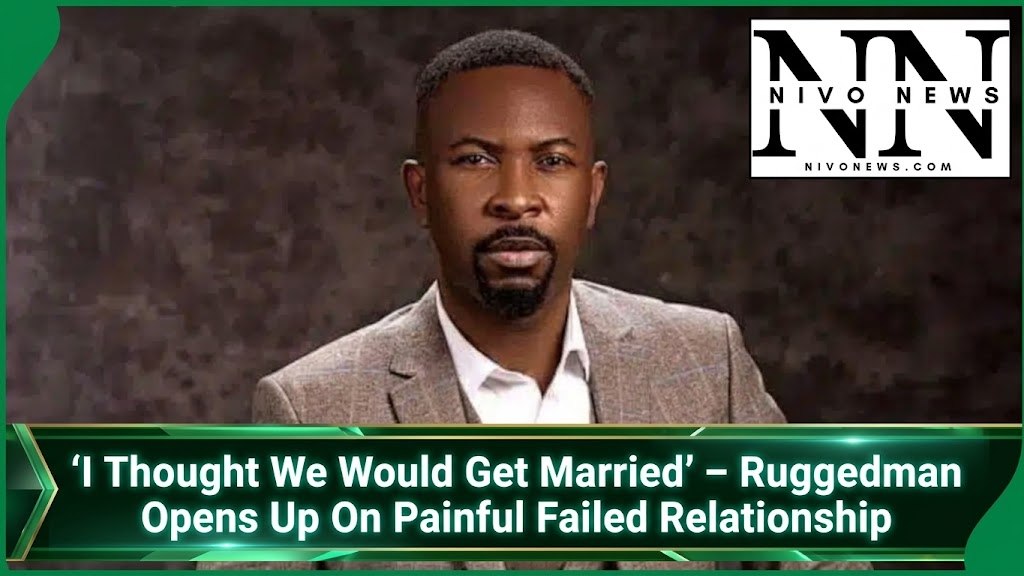
Veteran Nigerian rapper Michael Ugochukwu Stephens, popularly known as Ruggedman, has opened up about why he remains unmarried at the age of 52, attributing his marital status to the demands of his music career and the collapse of a five-year relationship.....KINDLY READ THE FULL STORY HERE▶
In an interview with The Cable, the rapper explained that he began his career during a period when Nigerian musicians had to work tirelessly to establish themselves and achieve success in the entertainment industry.
According to Ruggedman, the pressure and commitment required to build his career consumed much of his time, making it difficult for him to settle down.
He noted that some of his colleagues were fortunate to find partners who understood the demands of their profession and were willing to support them throughout their journeys.
The rapper cited fellow musician Innocent Idibia, popularly known as 2Baba, as an example of someone who found partners willing to share the challenges and experiences associated with his career. He, however, said he had not enjoyed the same luck in his relationships.
Ruggedman also disclosed that he was once involved in a five-year relationship that he believed would eventually lead to marriage. However, the relationship ended after an incident he did not reveal during the interview.
He said, “I am one of those who got into the industry back in the day where all we had was our hustle and we faced it and before you know it, time was gone. 2baba was lucky to have found partners who were ready to walk that road with him, I wasn’t that lucky. I had a five year relationship that I thought would lead to marriage but something happened and it crashed.
“Currently, I’m not in any relationship. The only thing I vowed is that I will never have a child out of wedlock. No, I don’t think it’s too late. It’s never too late. As long as you are alive, it’s never too late to get married. I am very straight.”
The rapper maintained that he does not consider himself too old to get married, insisting that marriage remains possible at any stage of life.
He also reiterated his decision not to have a child outside marriage, adding that he is currently not involved in any romantic relationship.

Nollywood actor Baba Ijesha has recounted a prophecy he received before his imprisonment, revealing that he was told he would become a great man after experiencing a devastating ordeal that would leave him in tears.....KINDLY READ THE FULL STORY HERE▶
The actor shared the experience during a courtesy visit to Yoruba Nation activist Sunday Igboho at his residence, according to reports.
Baba Ijesha explained that someone had received a revelation about his future, predicting that he would eventually achieve greatness but would first pass through a period of intense pain and hardship.
He said the prophecy came before he was sent to prison, adding that he now associates his imprisonment with the difficult experience foretold in the revelation.
“Before I went to prison, someone saw a revelation about me that I’ll be a great man but a huge calamity will befall me that’ll make me shed lots of tears before the prophesy will eventually come to pass. It was after then I went to prison,” the actor said.
His revelation comes after his release from prison in November 2025, following his conviction in a case involving the sexual assault and indecent treatment of a child.
Baba Ijesha was convicted by the Lagos State High Court on July 14, 2022, over offences involving the foster daughter of comedian Damilola Adekoya, popularly known as Princess.
The court sentenced him to five years’ imprisonment for sexual assault and three years for indecent treatment of a child. The sentences were ordered to run concurrently.
latest
‘I Don’t Want Money Or Contract’ – Former Texas Mayor Gives Tinubu Conditions To Stop Criticising His Govt.

Former Texas mayor Mike Arnold has written an open letter to President Bola Tinubu, outlining conditions he says must be met before he will stop criticising the Nigerian government.....KINDLY READ THE FULL STORY HERE▶
Arnold disclosed the conditions in a letter published on his verified X account, according to reports.
The American lawyer said he would end his criticism of Tinubu if the President acknowledged the plight of displaced Nigerians living in at least eight camps within the Federal Capital Territory (FCT) and took urgent steps to ease their suffering.
He urged the President to provide immediate assistance to the affected families, seek support from international humanitarian organisations and ensure that displaced persons have access to adequate food, clothing, shelter, sanitation, healthcare and education for their children.
Arnold also called on the Tinubu administration to take decisive action to remove Boko Haram and other armed terrorist groups from the ancestral lands of the displaced families, allowing them to return to their homes and live in peace.
In his letter, Arnold wrote: “Acknowledge the tens of thousands of innocent displaced Nigerians, as many as 40,000 or more, living in at least eight horrific camps inside the Federal Capital Territory. Acknowledge that they exist. Acknowledge that they are suffering. Then act.
“I believe I am shaking your table far more than Reno Omokri ever dared. And I’m only getting started. I was the number one target of attack for your $9 million US lobby contract, and it only made me more popular, influential and determined.
“Do you want me to be quiet? I do not want a shambassadorial appointment. I do not want a government position, contract, favour or money.
“Do all I asked, and I will not say another word about you or the presidential election. I will step away knowing that the widows, orphans and displaced families I have fought for are finally being seen, protected and helped.
“No appointment. No payment. No personal benefit. Just mercy. Justice. Action. The choice is yours, Mr President,” Arnold stated.
The former mayor maintained that his demands were focused on humanitarian assistance and security for displaced Nigerians rather than any personal gain from the government.
He challenged Tinubu to take concrete steps to address the conditions in the camps, insisting that meeting the needs of vulnerable families would be enough to bring his criticism of the President and the 2027 presidential election to an end.
-

 latest1 year ago
“Social Media Erupts As Jim Iyke Declares Rita Dominic Nollywood’s Most Beautiful”
-
 latest3 years ago
Edo Political Showdown: Oshiomhole Appears At Presidential Villa As Tinubu Hands APC Gubernatorial Flag To Okpebholo (Photos & Video)
-
 entertainment3 years ago
Love Knows No Age American Woman Defends Marriage To Young Nigerian Man “I’m Not 70”
-
 latest3 years ago
Olumide Akpata Strikes Again: Drops Killer Track, Sends Edo State Into Frenzy!(Video)
-
 Politics3 years ago
Nigerians React As Pastor Adeboye Foresees Passing Away On A Sunday After Enjoying A Satisfying Meal Of Pounded Yam
-
 latest3 years ago
FG Identifies 31 States At Risk Of Heavy Flooding In 2024: See Full List
-
 Politics3 years ago
BREAKING: Inspector-General Of Police Summons Top Police Commanders For Crucial-Security Challenges
-
 latest3 years ago
5 NYSC Corpers Perish In Fatal Road Accident Returning From Camp