
Business
Port Harcourt Refinery: Anticipated Commencement Of Operations Expected To Lead To Reduction In Petrol Prices

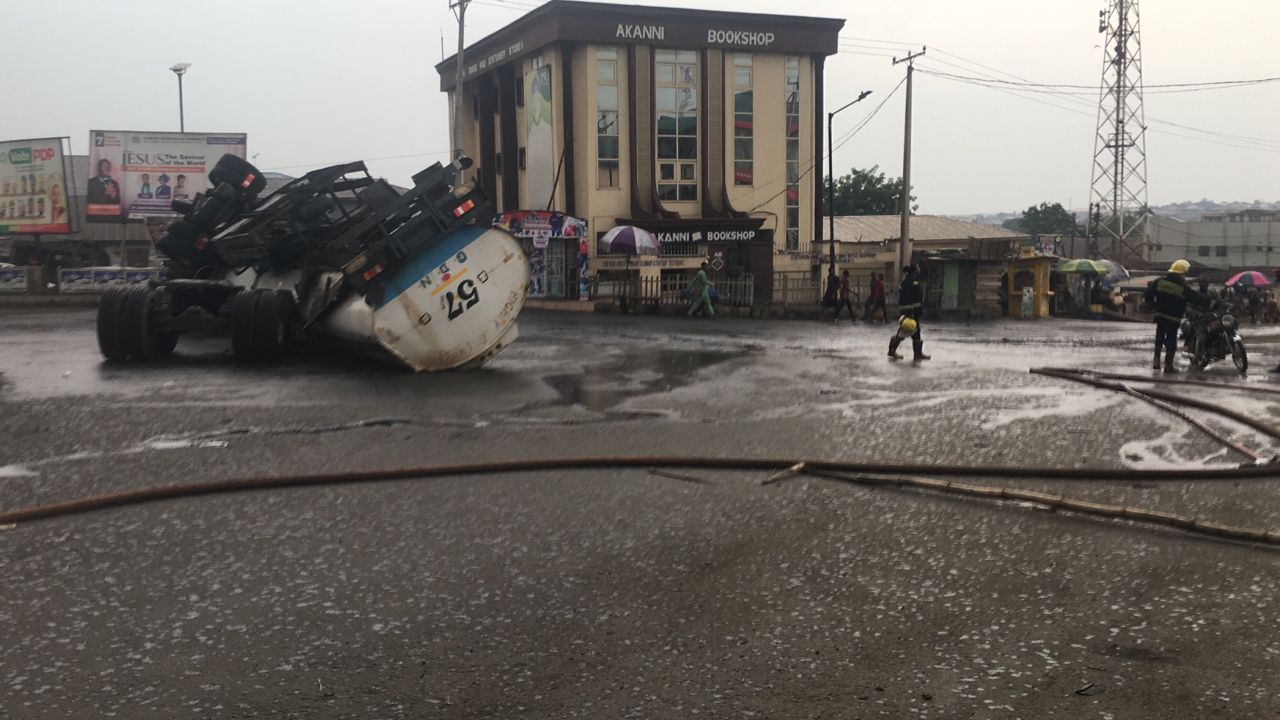
Port Harcourt Refinery: Anticipated Commencement Of Operations Expected To Lead To Reduction In Petrol Prices....KINDLY READ THE FULL STORY HERE▶
The Independent Petroleum Marketers Association of Nigeria (IPMAN) and the Major Energy Marketers Association of Nigeria (MEMAN) have projected a slight decrease in the retail price of Premium Motor Spirit (PMS), commonly known as petrol, with the anticipated commencement of operations at the Port Harcourt Refining Company next month………CONTINUE READING
Both IPMAN and MEMAN have eagerly expressed their readiness to begin product loading from the refinery, underscoring the importance of the Nigerian National Petroleum Company Limited (NNPCL) fulfilling its commitment to commence distributing refined products from the Port Harcourt plant within the next two weeks.
The revival of the refinery’s operations, as confirmed by Mele Kyari, the Group Managing Director of NNPCL, during a Senate Ad-hoc Committee session focusing on investigating the Turn Around Maintenance (TAM) projects of Nigeria’s refineries, marks a significant milestone. Mechanical repairs at the Port Harcourt, Warri, and Kaduna refineries have been completed, with Port Harcourt slated to become operational shortly, followed by Kaduna in December.
This development is poised to inject a significant volume of domestically refined petrol into the Nigerian market, potentially alleviating the nation’s dependence on imported fuel and leading to a marginal reduction in pump prices.
According to Kyari, “Completing the mechanical work means that you are done with the rehabilitation work, now you have to test to see how it works.” He assured that the Port Harcourt refinery will commence operations within the next two weeks.
The National President of IPMAN, Abubakar Maigandi, expressed readiness among marketers to commence lifting products once operations begin at the refinery. He anticipates that the cost of petrol will decrease with the availability of domestically refined products, albeit marginally.
Additionally, the commencement of operations is expected to generate more employment opportunities for Nigerians, a welcomed development by IPMAN. MEMAN’s Executive Secretary, Clement Isong, highlighted the ongoing procurement of refined products through the trading arm of NNPCL, affirming their readiness to continue purchasing from the refinery once products are released. He noted that while the facility may not meet the entire demand for petrol, MEMAN will procure refined products through NNPCL’s trading arm.
Overall, the commencement of operations at the Port Harcourt Refinery is anticipated to have a positive impact on the availability and pricing of petrol in Nigeria.


A recent survey conducted by Naija News has revealed a notable decrease in the price of cooking gas in Nigeria, offering much-needed relief to households and small businesses. According to the survey, the cost of refilling cooking gas per kilogram has reduced significantly from ₦1,350 to ₦1,020.....KINDLY READ THE FULL STORY HERE▶
This positive development is expected to ease the financial burden on Nigerian families and small enterprises, especially those that heavily depend on cooking gas as a primary energy source. The survey, encompassing gas stations and vendors from various parts of the country, shows that the reduced price may help lower the overall cost of living.
The revised price breakdown is as follows:
-
1 kg of Cooking Gas: ₦1,020
-
3 kg of Cooking Gas: ₦3,060
-
5 kg of Cooking Gas: ₦5,100
-
10 kg of Cooking Gas: ₦10,200
-
12.5 kg of Cooking Gas: ₦12,750
This decline marks a significant shift from the previous upward trend in gas prices and is likely to positively impact the economy, particularly the food and hospitality sectors. Businesses that rely on cooking gas will experience reduced operational costs, ultimately boosting their profit margins.
Experts attribute the drop in cooking gas prices to several factors, including fluctuations in global energy costs and adjustments within local supply chains. Despite recent variations in crude oil and natural gas prices, the reduction is perceived as a welcome development for Nigerian consumers.
By spending less on cooking gas, households and small businesses will now see some financial relief in their monthly budgets, especially during these economically challenging times.
-

 latest1 year ago
“Social Media Erupts As Jim Iyke Declares Rita Dominic Nollywood’s Most Beautiful”
-
 latest3 years ago
Edo Political Showdown: Oshiomhole Appears At Presidential Villa As Tinubu Hands APC Gubernatorial Flag To Okpebholo (Photos & Video)
-
 entertainment3 years ago
Love Knows No Age American Woman Defends Marriage To Young Nigerian Man “I’m Not 70”
-
 latest3 years ago
Olumide Akpata Strikes Again: Drops Killer Track, Sends Edo State Into Frenzy!(Video)
-
 Politics3 years ago
Nigerians React As Pastor Adeboye Foresees Passing Away On A Sunday After Enjoying A Satisfying Meal Of Pounded Yam
-
 latest3 years ago
FG Identifies 31 States At Risk Of Heavy Flooding In 2024: See Full List
-
 Politics3 years ago
BREAKING: Inspector-General Of Police Summons Top Police Commanders For Crucial-Security Challenges
-
 latest3 years ago
5 NYSC Corpers Perish In Fatal Road Accident Returning From Camp