
Business
Surge In Iron Rod Prices Mirrors Cement’s Soaring Costs

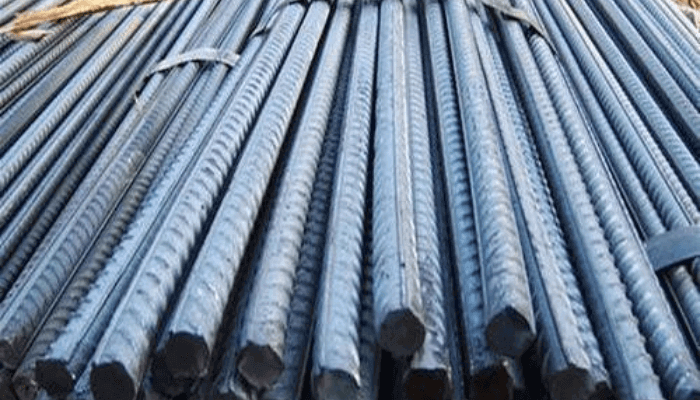
Surge In Iron Rod Prices Mirrors Cement’s Soaring Costs....KINDLY READ THE FULL STORY HERE▶
In tandem with the unprecedented hike in cement prices nationwide, the cost of iron rods, essential in construction, has experienced a significant surge, surpassing the surge in cement prices…….CONTINUE READING
The prospect of affordable housing for Nigerians continues to dwindle as the exorbitant prices of crucial building materials persistently rise.
As reported by BussinessDay, recent market surveys reveal a staggering increase in the price of a 16mm rod, skyrocketing from N8,500 to N18,500 within a short period, marking a steep N10,000 surge or over 100% increase.
While iron rods vary in sizes to accommodate diverse construction needs, structural engineers typically recommend sizes such as 12mm, 16mm, 20mm, 25mm, 10mm, or 8mm, depending on the structural requirements and design specifications.
Expressing concerns over the escalating cost of building materials, property consultant Smith Ezenagu lamented that without intervention to mitigate these increases, adequate housing may soon become a luxury rather than a fundamental necessity.
Ezenagu emphasized the urgency of exploring alternative construction methods like wooden houses in light of the current market dynamics.
Highlighting the staggering price fluctuations, Ezenagu revealed a startling comparison: the cost of a trip of sand for sand-filling in the Epe area of Lagos surged from N37,000 in October last year to N90,000 in January this year, representing an alarming almost 200% increase in just three months.


A recent survey conducted by Naija News has revealed a notable decrease in the price of cooking gas in Nigeria, offering much-needed relief to households and small businesses. According to the survey, the cost of refilling cooking gas per kilogram has reduced significantly from ₦1,350 to ₦1,020.....KINDLY READ THE FULL STORY HERE▶
This positive development is expected to ease the financial burden on Nigerian families and small enterprises, especially those that heavily depend on cooking gas as a primary energy source. The survey, encompassing gas stations and vendors from various parts of the country, shows that the reduced price may help lower the overall cost of living.
The revised price breakdown is as follows:
-
1 kg of Cooking Gas: ₦1,020
-
3 kg of Cooking Gas: ₦3,060
-
5 kg of Cooking Gas: ₦5,100
-
10 kg of Cooking Gas: ₦10,200
-
12.5 kg of Cooking Gas: ₦12,750
This decline marks a significant shift from the previous upward trend in gas prices and is likely to positively impact the economy, particularly the food and hospitality sectors. Businesses that rely on cooking gas will experience reduced operational costs, ultimately boosting their profit margins.
Experts attribute the drop in cooking gas prices to several factors, including fluctuations in global energy costs and adjustments within local supply chains. Despite recent variations in crude oil and natural gas prices, the reduction is perceived as a welcome development for Nigerian consumers.
By spending less on cooking gas, households and small businesses will now see some financial relief in their monthly budgets, especially during these economically challenging times.
-

 latest1 year ago
“Social Media Erupts As Jim Iyke Declares Rita Dominic Nollywood’s Most Beautiful”
-
 latest2 years ago
Edo Political Showdown: Oshiomhole Appears At Presidential Villa As Tinubu Hands APC Gubernatorial Flag To Okpebholo (Photos & Video)
-
 entertainment2 years ago
Love Knows No Age American Woman Defends Marriage To Young Nigerian Man “I’m Not 70”
-
 latest2 years ago
Olumide Akpata Strikes Again: Drops Killer Track, Sends Edo State Into Frenzy!(Video)
-
 Politics3 years ago
Nigerians React As Pastor Adeboye Foresees Passing Away On A Sunday After Enjoying A Satisfying Meal Of Pounded Yam
-
 latest2 years ago
FG Identifies 31 States At Risk Of Heavy Flooding In 2024: See Full List
-
 Politics3 years ago
BREAKING: Inspector-General Of Police Summons Top Police Commanders For Crucial-Security Challenges
-
 latest2 years ago
5 NYSC Corpers Perish In Fatal Road Accident Returning From Camp