
Business
Retailers Dictate Cement Prices Amidst Government Intervention

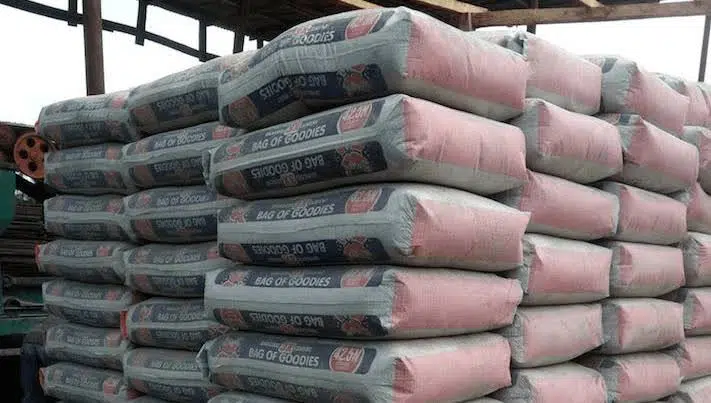
Retailers Dictate Cement Prices Amidst Government Intervention....KINDLY READ THE FULL STORY HERE▶
In the midst of Nigeria’s ongoing fluctuations in cement prices, retailers have emerged as pivotal figures influencing the final cost to consumers, despite recent government directives aimed at reducing prices……..CONTINUE READING
Okechukwu Uche, a prominent cement dealer based in Abuja, revealed to BusinessDay the complexities of market dynamics shaping cement pricing nationwide. According to Uche, the variation in cement prices can be largely attributed to the practices of retailers and wholesalers who dictate the market’s pulse.
This revelation comes at a time when the Nigerian government is striving to enforce price cuts from manufacturers in a bid to make housing more affordable for citizens. However, Uche’s insights suggest a cautious approach among traders, waiting to assess the market’s response to government interventions before making adjustments.
Uche highlighted the discrepancies in pricing across brands and locations, citing differences in procurement methods as a significant factor. Some retailers source directly from manufacturers, while others rely on secondary dealers, which affects costs. Additionally, registration with major manufacturers like Dangote entails substantial investment, further contributing to price variations.
Despite governmental pressure on manufacturers to lower prices, the expected decrease has been slow to materialize. Retailers, wielding significant sway over the market, have been hesitant to immediately adjust their prices, maintaining a high cost for end-users.
However, a recent market survey indicates a slight decrease in cement prices in the Federal Capital Territory, Abuja, as well as in Niger and Nasarawa states. While some traders continue to sell older stock at around N9,500 per bag, newer prices range between N8,000 and N8,500, suggesting a potential for further reductions.
Bulk purchases, by trailer load, remain the most cost-effective option for consumers, with all major brands offering competitive wholesale rates.
As stakeholders await the full impact of regulatory efforts on cement prices, the role of retailers in shaping market dynamics remains crucial. The coming weeks will be critical in assessing the effectiveness of government interventions in stabilizing cement prices, a vital commodity in Nigeria’s construction and housing sectors.


A recent survey conducted by Naija News has revealed a notable decrease in the price of cooking gas in Nigeria, offering much-needed relief to households and small businesses. According to the survey, the cost of refilling cooking gas per kilogram has reduced significantly from ₦1,350 to ₦1,020.....KINDLY READ THE FULL STORY HERE▶
This positive development is expected to ease the financial burden on Nigerian families and small enterprises, especially those that heavily depend on cooking gas as a primary energy source. The survey, encompassing gas stations and vendors from various parts of the country, shows that the reduced price may help lower the overall cost of living.
The revised price breakdown is as follows:
-
1 kg of Cooking Gas: ₦1,020
-
3 kg of Cooking Gas: ₦3,060
-
5 kg of Cooking Gas: ₦5,100
-
10 kg of Cooking Gas: ₦10,200
-
12.5 kg of Cooking Gas: ₦12,750
This decline marks a significant shift from the previous upward trend in gas prices and is likely to positively impact the economy, particularly the food and hospitality sectors. Businesses that rely on cooking gas will experience reduced operational costs, ultimately boosting their profit margins.
Experts attribute the drop in cooking gas prices to several factors, including fluctuations in global energy costs and adjustments within local supply chains. Despite recent variations in crude oil and natural gas prices, the reduction is perceived as a welcome development for Nigerian consumers.
By spending less on cooking gas, households and small businesses will now see some financial relief in their monthly budgets, especially during these economically challenging times.
-

 latest1 year ago
“Social Media Erupts As Jim Iyke Declares Rita Dominic Nollywood’s Most Beautiful”
-
 latest3 years ago
Edo Political Showdown: Oshiomhole Appears At Presidential Villa As Tinubu Hands APC Gubernatorial Flag To Okpebholo (Photos & Video)
-
 entertainment3 years ago
Love Knows No Age American Woman Defends Marriage To Young Nigerian Man “I’m Not 70”
-
 latest3 years ago
Olumide Akpata Strikes Again: Drops Killer Track, Sends Edo State Into Frenzy!(Video)
-
 Politics3 years ago
Nigerians React As Pastor Adeboye Foresees Passing Away On A Sunday After Enjoying A Satisfying Meal Of Pounded Yam
-
 latest3 years ago
FG Identifies 31 States At Risk Of Heavy Flooding In 2024: See Full List
-
 Politics3 years ago
BREAKING: Inspector-General Of Police Summons Top Police Commanders For Crucial-Security Challenges
-
 latest3 years ago
5 NYSC Corpers Perish In Fatal Road Accident Returning From Camp