
Business
Rising Commodity Prices: Exploring Alternatives Amidst President Tinubu’s Policy Changes

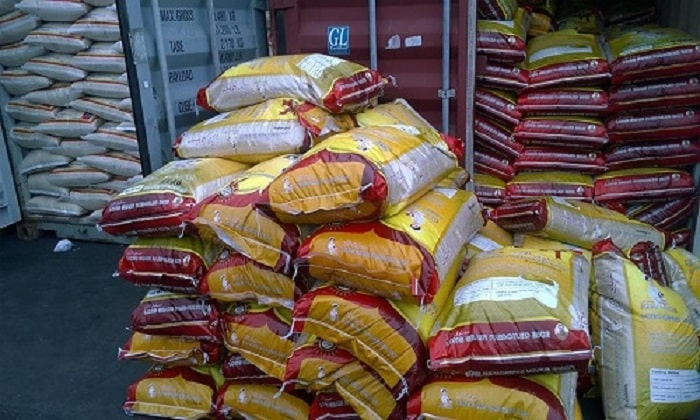
Rising Commodity Prices: Exploring Alternatives Amidst President Tinubu’s Policy Changes....KINDLY READ THE FULL STORY HERE▶
The recent removal of fuel subsidy and other policy shifts under President Bola Tinubu’s administration have led to a surge in commodity prices across Nigeria. This increase not only affects transportation costs but also raises the prices of basic food items, exacerbating the financial strain on households…….CONTINUE READING
As the cost of a bag of rice skyrockets to an unprecedented N80,000, many families are turning to alternative food sources that offer both affordability and nutritional value. Diversifying diets and exploring alternative staples has become imperative in these challenging times.
Here’s a comprehensive guide on affordable and nutritious food alternatives to rice:
- Cassava and its Derivatives: Versatile and adaptable, cassava can be processed into garri, fufu, and tapioca, offering diverse meal options.
- Maize/Corn: Boil or roast maize for a snack, or grind it into flour for dishes like ‘tuwo’ or ‘ogi,’ popular breakfast choices.
- Yams: A Nigerian staple, yams can be boiled, fried, or pounded into pounded yam, complementing various soups.
- Beans: Rich in protein, beans can be cooked as porridge, moi moi, or akara, providing essential nutrients and dietary fiber.
- Sweet Potatoes: Boil, bake, or fry sweet potatoes for a nutritious and filling alternative to rice.
- Plantains: Enjoy plantains boiled, fried, or roasted, offering vitamins A and C and serving as a versatile meal component.
- Millet and Sorghum: Ground into flour for porridge or ‘tuwo,’ these grains are known for their health benefits and popularity in Northern Nigeria.
- Wheat: Used for bread, pasta, and Nigerian ‘wheat meal,’ wheat flour is a versatile staple in Nigerian cuisine.
- Quinoa: Though less common and more expensive, quinoa offers high protein and essential amino acids as a rice alternative.
- Barley: With cholesterol-lowering properties and high fiber content, barley can be cooked similarly to rice, providing health benefits in every meal.
As Nigerians navigate economic challenges, exploring these food alternatives can mitigate the impact of rising commodity prices and contribute to healthier diets nationwide.”


A recent survey conducted by Naija News has revealed a notable decrease in the price of cooking gas in Nigeria, offering much-needed relief to households and small businesses. According to the survey, the cost of refilling cooking gas per kilogram has reduced significantly from ₦1,350 to ₦1,020.....KINDLY READ THE FULL STORY HERE▶
This positive development is expected to ease the financial burden on Nigerian families and small enterprises, especially those that heavily depend on cooking gas as a primary energy source. The survey, encompassing gas stations and vendors from various parts of the country, shows that the reduced price may help lower the overall cost of living.
The revised price breakdown is as follows:
-
1 kg of Cooking Gas: ₦1,020
-
3 kg of Cooking Gas: ₦3,060
-
5 kg of Cooking Gas: ₦5,100
-
10 kg of Cooking Gas: ₦10,200
-
12.5 kg of Cooking Gas: ₦12,750
This decline marks a significant shift from the previous upward trend in gas prices and is likely to positively impact the economy, particularly the food and hospitality sectors. Businesses that rely on cooking gas will experience reduced operational costs, ultimately boosting their profit margins.
Experts attribute the drop in cooking gas prices to several factors, including fluctuations in global energy costs and adjustments within local supply chains. Despite recent variations in crude oil and natural gas prices, the reduction is perceived as a welcome development for Nigerian consumers.
By spending less on cooking gas, households and small businesses will now see some financial relief in their monthly budgets, especially during these economically challenging times.
-

 latest1 year ago
“Social Media Erupts As Jim Iyke Declares Rita Dominic Nollywood’s Most Beautiful”
-
 latest3 years ago
Edo Political Showdown: Oshiomhole Appears At Presidential Villa As Tinubu Hands APC Gubernatorial Flag To Okpebholo (Photos & Video)
-
 entertainment3 years ago
Love Knows No Age American Woman Defends Marriage To Young Nigerian Man “I’m Not 70”
-
 latest3 years ago
Olumide Akpata Strikes Again: Drops Killer Track, Sends Edo State Into Frenzy!(Video)
-
 Politics3 years ago
Nigerians React As Pastor Adeboye Foresees Passing Away On A Sunday After Enjoying A Satisfying Meal Of Pounded Yam
-
 latest3 years ago
FG Identifies 31 States At Risk Of Heavy Flooding In 2024: See Full List
-
 Politics3 years ago
BREAKING: Inspector-General Of Police Summons Top Police Commanders For Crucial-Security Challenges
-
 latest3 years ago
5 NYSC Corpers Perish In Fatal Road Accident Returning From Camp