Several grassroots farmers and small traders are expressing frustration due to the prolonged cash shortage in the country, noting that it has significantly impacted their businesses….CONTINUE READING....KINDLY READ THE FULL STORY HERE▶
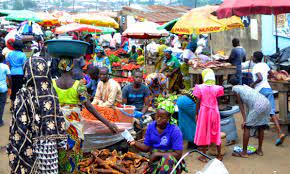
Individuals engaged in farming and trading, who shared their experiences with Nivo News, revealed that they have opted to avoid keeping their money in banks to prevent it from becoming inaccessible.
Associations representing small and medium-scale enterprises emphasized that the persistent cash shortage would undermine the government’s initiatives to promote financial inclusion, particularly at the grassroots level.
A farmer from the Igboho area of Oyo State, Mr. Dele Bamigboye, lamented, “Many buyers of my farm produce have not paid because they claim they cannot access money from banks. This is affecting my business, as I operate on a cash basis and currently cannot access my funds.”
Another trader in the Ogidi area of Ilorin, known as Mama Kudi, stated, “I am only selling to those who have cash to pay because I cannot access cash from Point of Sale (PoS) machines, and banks are limiting their cash distribution. I need cash for purchasing goods and conducting transactions, so I am not depositing money in the bank.”
Despite assurances from the Central Bank of Nigeria about sufficient cash in the economy, Nigerians continue to bemoan the scarcity of cash, with many ATMs lacking funds and banks restricting over-the-counter cash services.
Commenting on the adverse effects of the cash shortage on the drive for financial inclusion, Dr. Femi Egbesola, President of the Association of Small Business Owners in Nigeria, expressed concern. He remarked, “The confidence of individuals trying to structure their businesses and deposit money in banks is eroded, especially during this festive period. Micro-businesses heavily rely on cash for daily transactions.”
Solomon Aderoju, Vice President of the Nigerian Association of Small and Medium Enterprises in the South-West Region, highlighted that the cash crunch would impact the confidence of grassroots individuals in the banking sector. He explained, “Financial inclusion aims to encourage opening bank accounts to avoid keeping money at home. With the current situation, confidence is lost, and people will be reluctant to entrust their money to banks.”