
Game Changer: BUA to Slash Cement Costs with Bold Move to Generate Its Own Electricity
 Follow on Google News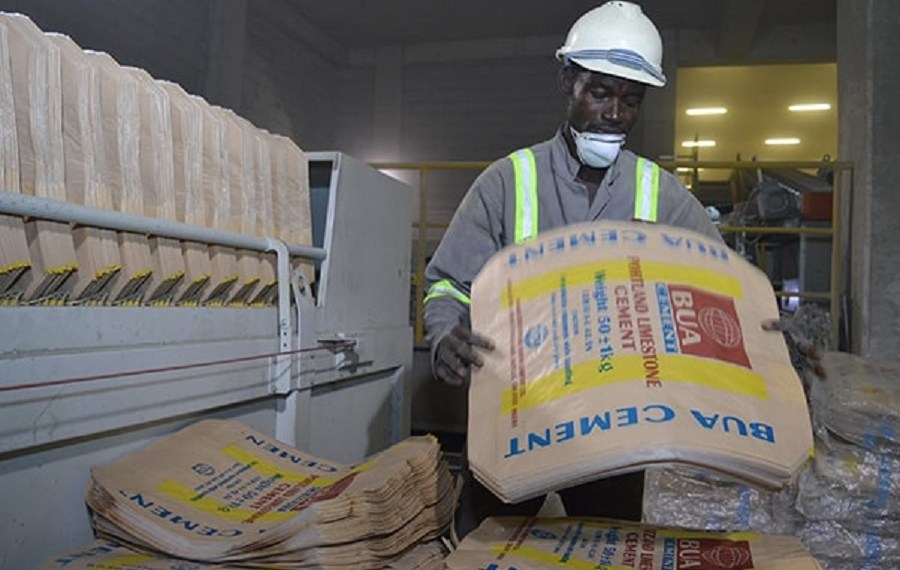
The BUA Group Plc has unveiled plans to begin generating its own electricity to run its production facilities, especially its cement plants, as part of a sweeping strategy to cut costs and reduce cement prices in Nigeria.....KINDLY READ THE FULL STORY HERE▶
Chairman of BUA Group, Abdul Samad Rabiu, made the announcement on Tuesday during the company’s Annual General Meeting (AGM) held at the Transcorp Hilton Hotel in Abuja.
“We are spending far too much of our revenue on power generation in a country still grappling with epileptic electricity supply,” Rabiu said.
According to him, the initiative is a key step toward tackling soaring production costs—driven largely by energy expenses—while creating more value for shareholders and customers.
BUA has already signed a 70MW power agreement with Wartsila OY of Finland to supply energy to its Sokoto Line 4 plant, along with another 20MW gas-based power project with Green Power International. These partnerships are expected to boost the group’s energy self-reliance and operational efficiency.
“That’s why we decided to invest in our own energy sources, using gas to generate power. There’s a lot of potential in gas,” Rabiu explained.
In addition, the company has broken ground on a new greenfield cement plant in Ososo, Edo State, with a planned capacity of 3 million metric tonnes per annum. Once completed in Q1 2027, BUA’s total installed capacity will rise to 20 million metric tonnes per annum, further entrenching its leadership in the industry.
“This expansion increases our installed capacity from 11 million to 17 million metric tonnes per annum, further strengthening our position as a key player in Nigeria’s cement sector,” Rabiu noted.
At the AGM, shareholders unanimously approved a ₦2.05 dividend per ordinary share, following BUA Cement’s strong performance in its 2024 Annual Report titled Beyond Limits.
The company reported a 90.54% surge in revenue to ₦876.47 billion, driven by higher production capacity and robust demand. Profit before tax rose 48.2% to ₦99.63 billion, while profit after tax increased 6.41%, impacted by higher tax liabilities. However, cash and cash equivalents fell by 62.35%, mainly due to capital investments and debt repayments, while shareholders’ equity grew by 0.86%.
Devaluation Blamed for High Cement Prices
Rabiu addressed concerns over cement pricing, attributing the hike to the devaluation of the Naira, which has driven up operational costs.
“We need to make reasonable returns. We have staff, shareholders, and significant investments to sustain. Selling cement at ₦10,000, given the billions invested, is not excessive. At ₦10,000, that’s the margin we’re working with,” he said.
He expressed optimism that a stronger Naira in the future would help lower production costs and, ultimately, consumer prices.
Managing Director/CEO of BUA Cement, Yusuf Binji, described the 2024 results as proof of the company’s resilience and strategic vision:
“These results reflect not only our operational strength but also the effectiveness of our forward-looking strategies in navigating tough market conditions,” Binji said.
He reaffirmed BUA’s commitment to corporate governance, transparency, and accountability across all operations.






Comments
0